x
 Acrylic On CanvasWallArtAmerican Romanticism
 36.0cm x 46.0cm
Muziejų lygio „giclée“ arba drobos spausdinimas: greita gamyba ir lankstios apdailos parinktys. ( Pirkti rankomis tapytą paveikslą Pirkti vaizdą)





























Pasirinkite iš mūsų nustatytų dydžių, atitinkančių originalaus meno kūrinio proporcijas.

Galite nurodyti savo matmenis, kad vaizdas atitiktų konkretų rėmą ar erdvę. Jei pasirinktas dydis nesutaps su originalaus paveikslėlio proporcijomis, mes arba apkirpsime kūrinį, arba išplėsime vaizdą naudojant veideliu atspindėtą arba vientisą šoną. Skaitmeninis maketas bus išsiųstas jums patvirtinti prieš pradedant gamybą.
Atkreipkite dėmesį, kad ekrane matomas vaizdinys neatspindi tikrojo apkirpimo ar išplėtimo. Tik maketas tiksliai parodytų galutinę kompoziciją.
Nors galima rinktis ir individualius dydžius, rekomenduojame pasirinkti vieną iš išanksti nustatytų matmenų, kad būtų išlaikytos originalios proporcijos.
Pristatymas visame pasaulyje () per 2 weeks, o ne įprastas 4/5 savaičių laikotarpis. (21 rugpjūtis)


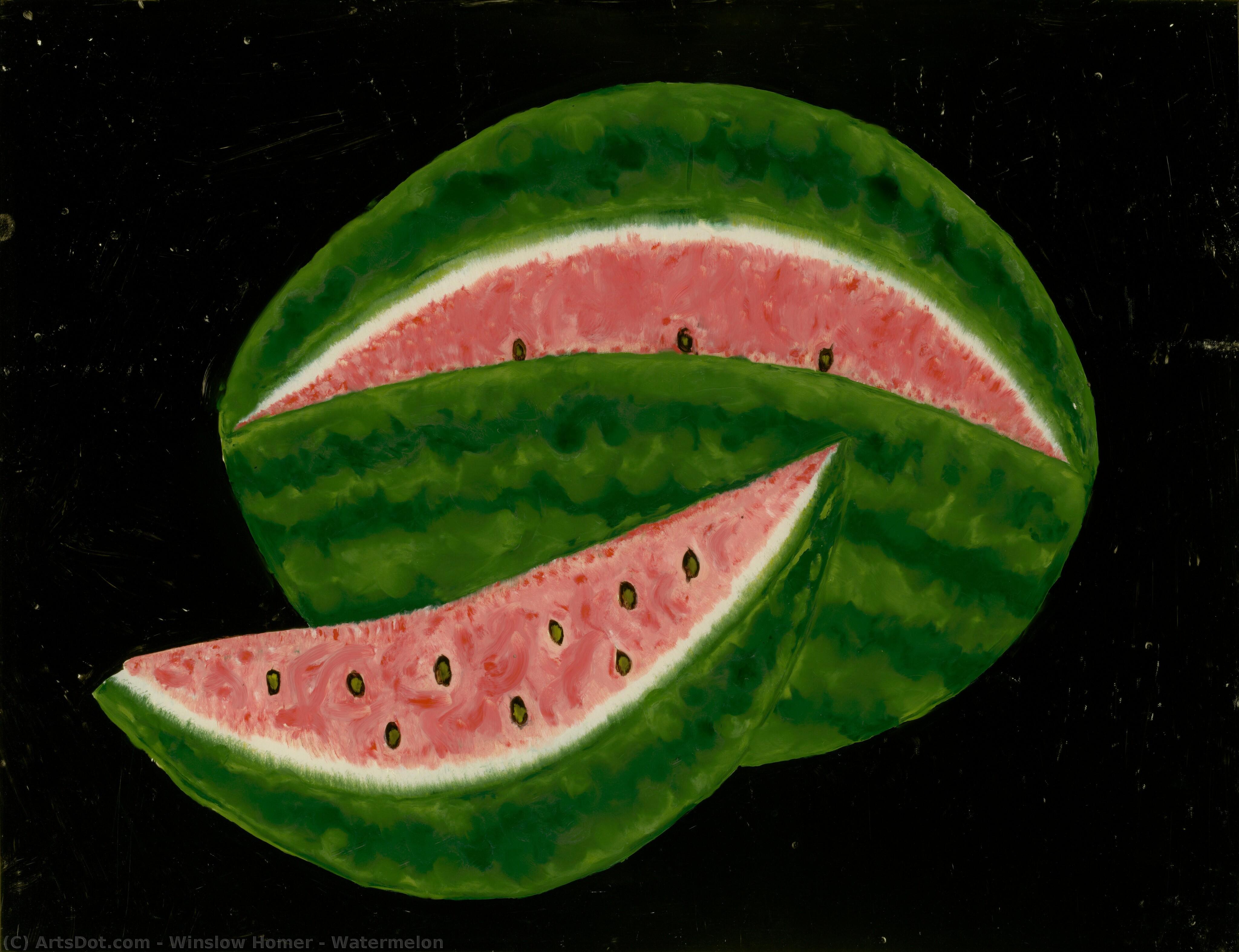
Watermelon
Reprodukcijos matmenys
Winslow Homer (1836 – 1910), an artist who defied convention and embraced the raw beauty of the American landscape, offers us a deceptively simple yet profoundly resonant image: “Watermelon.” Unlike many of his peers who sought acclaim in European ateliers, Homer cultivated his artistic vision through direct engagement with the natural world and the realities of everyday life – experiences that would inform his distinctive style and enduring legacy.
Homer’s masterful use of watercolor is immediately apparent. The painting eschews dramatic chiaroscuro, favoring instead a luminous palette dominated by greens and reds—colors deliberately chosen to capture the vibrancy of summer produce. Homer meticulously layered washes of pigment, achieving remarkable textural detail without resorting to heavy brushstrokes. This technique allows for subtle gradations of color and tone, conveying an impression of freshness and immediacy that is characteristic of his oeuvre.
Homer's artistic journey began in 1854 when he secured a position as illustrator for Harper’s Weekly, a pioneering American periodical devoted to journalism and visual storytelling. This early association instilled in him an unwavering commitment to capturing authentic scenes—often depicting rural America—with unflinching honesty. The Civil War profoundly impacted Homer's artistic sensibilities, prompting him to confront themes of loss, resilience, and the human condition with sensitivity and compassion.
While ostensibly a depiction of watermelon slices, “Watermelon” transcends its literal subject matter. The fragmented composition—representing the four distinct colors of the fruit—can be interpreted as an emblem of unity amidst diversity. Homer’s careful attention to detail speaks to the importance of observation and appreciation for the beauty inherent in commonplace objects. Furthermore, the painting's serene atmosphere evokes a sense of nostalgia for simpler times – a sentiment that aligns with Homer’s broader artistic preoccupation with capturing the spirit of American identity.
"Watermelon" invites viewers into a moment of quiet contemplation. The artist’s skillful rendering captures not just the visual appearance of the fruit but also its essence—a symbol of summer's bounty and the enduring power of observation. Homer’s work continues to inspire artists and collectors alike, reminding us that profound artistic expression can emerge from humble beginnings and unwavering dedication to capturing the beauty of the human experience.

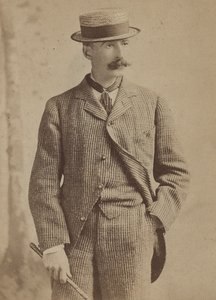
1836 - 1910 , JAV
Atraskite 25 įspūdingiausius Winslow Homer paveikslus! Žymiausi jo jūros peizažai, realizmo šedevrai ir istorinės scenos. Meno reprodukcijos interjerui – Most-Famous-Paintings.com. Išsamesnės informacijos apie Amerikos tapytoją ir kūrinius rasite pas mus.

Journey through 10 legendary watercolor masterpieces by Sargent, Turner & Homer! Explore iconic landscapes, portraits & floral art that redefined history. Find museum-quality reproductions and curated decor ideas at Most-Famous-Paintings.com.

Explore the captivating world of watercolor painting! Discover its rich history, essential techniques, influential artists & collecting tips. A comprehensive guide for art enthusiasts from Most-Famous-Paintings.

Explore the captivating history of watercolor painting, from ancient techniques to modern masters like Kandinsky & Blake. Discover essential artists, collecting tips & the emotional power of this luminous medium. Expert insights for art enthusiasts.

Explore the captivating world of watercolor painting! Discover its rich history, essential techniques, influential artists & collecting tips from art experts. A comprehensive guide for enthusiasts.


Sekite naujausias meno naujienas, išskirtinius pasiūlymus ir dekoravimo idėjas.
Pasakokite mums apie savo projektą, o mūsų meno ekspertai parengs jums 3 asmeniškus meno pasiūlymus.
Leiskite mums parinkti 3 variantus būtent jums – nemokamai!


 Peržiūrėti realybėje
 Pasidalinti
 Dalintis
 Išsamiau

 Atsisiųsti
 Panašūs eksponatai
 Rentgeno nuotrauka
 Automatinė diorama
 Skaityti daugiau







 Stiklo variantas prieinamas tik pasirinkus dydį iki 110 cm