x

 Oil On PanelEarly Netherlandish Renaissance
 1445Renaissance
 91.0 x 89.0 cm
 Museus Estatais de Berlim
Impressão giclée ou em tela de qualidade de museu, com produção rápida e opções flexíveis de acabamento. ( Encomendar reprodução pintada à mão Comprar imagem em alta resolução)





























Escolha entre os nossos tamanhos pré-definidos que respeitam as proporções originais da obra de arte.

Você pode inserir suas próprias dimensões para se ajustar a uma moldura ou espaço específico. Se o tamanho selecionado não corresponder às proporções da imagem original, iremos recortar a obra de arte ou estender a imagem com uma borda espelhada ou preenchimento sólido. Um mockup digital será enviado para sua aprovação antes do início da produção.
Por favor, observe que a visualização na tela não reflete o recorte ou a extensão real. Apenas o mockup mostrará com precisão a composição final.
Embora tamanhos personalizados estejam disponíveis, recomendamos selecionar uma dimensão da lista predefinida para preservar as proporções originais.
Entrega mundial () em 2 semanas, em vez das 4/5 semanas padrão. (15 Agosto)


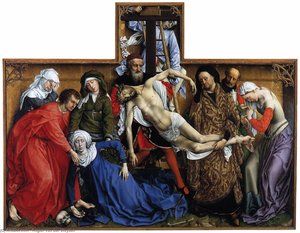
Bladelin Triptych
Dimensões da Reprodução
The Bladelin Triptych, formally known as the Middelburg Altarpiece, stands as a testament to Rogier van der Weyden's unparalleled skill in capturing human emotion and conveying profound theological ideas. Completed around 1450, this monumental painting transcends mere visual representation; it’s an immersive experience into the spiritual landscape of its time—a period marked by burgeoning humanist thought alongside unwavering faith.
At first glance, the triptych presents a seemingly simple scene – the birth of Jesus – yet Van der Weyden’s genius lies in layering narratives and symbolism within its framework. The central panel depicts Mary and Joseph kneeling before a crumbling Romanesque chapel, representing the transition from pagan antiquity to Christian dogma. Tiny figures depict angels announcing the divine miracle, while on the right, a cityscape subtly underscores the universality of Christ's reign. Each element contributes to a larger story about redemption and hope.
What distinguishes this artwork is Van der Weyden’s masterful use of oil paint on oak panel—a technique that revolutionized painting at the time. Unlike tempera, which dries quickly and lacks vibrancy, oil allowed for gradual blending and layering, resulting in astonishingly rich colors and textures. The artist meticulously rendered every detail – from the folds of Mary's robe to the expressions etched upon Joseph’s face – achieving a level of realism previously unattainable. This dedication to meticulous observation is evident throughout the entire composition.
Beyond its visual splendor, the Bladelin Triptych overflows with symbolic significance. The ruined chapel symbolizes the decline of pagan beliefs and the ascendancy of Christianity. The shepherds represent humility and faith—the first witnesses to Jesus’s birth. Furthermore, the depiction of Augustus and Sibyl speaks to the interconnectedness of pagan mythology and Christian scripture, highlighting the transformative power of divine revelation.
Originally commissioned for the Middelburg church by Pieter Bladelin, a prominent Bruges burgher, the triptych has traveled through history, culminating in its current residence at the Gemäldegalerie, Berlin. Its enduring appeal lies not only in its artistic brilliance but also in its ability to evoke contemplation and inspire awe—a testament to Van der Weyden’s legacy as one of the foremost painters of his era.
Most-Famous-Paintings.com offers exceptional reproductions that allow you to experience the beauty and depth of this iconic artwork firsthand. Capture the emotional resonance of Van der Weyden's masterpiece in your home!

1400 - 1464 , Bélgica

Explore the profound history and technical brilliance of oil on panel painting. From Renaissance masters to modern techniques, discover why this rigid support offers unparalleled precision and permanence for fine art lovers and collectors.


Fique por dentro das últimas notícias de arte, ofertas exclusivas e ideias de decoração.
Conte-nos sobre o seu projeto e os nossos especialistas em arte fornecerão 3 sugestões de arte personalizadas.
Deixe que selecionamos 3 opções especialmente para você – Grátis!


 Visualizar em escala
 Enviar
 Compartilhar
 Ver detalhes

 Baixar
 Semelhantes
 Raio X
 Apresentação de slides
 Ver mais







 A opção de vidro está disponível apenas para tamanhos inferiores a 110 cm