x

 Заказать принт Купить цифровое изображение
 Поделиться
 Детали произведения
 Добавить в избранное
 Скачать
 Похожие работы
 Рентгенография
 Слайд-шоу
 DigitalDigitalPop Art
 2008
2008 84.0 x 80.0 cm
 Mathaf: Арабский музей современного искусства
Картина маслом на холсте в выбранном вами размере и раме, написанная на заказ нашими художниками.
Выберите один из наших стандартных размеров, соответствующих оригинальным пропорциям произведения искусства.

Вы можете указать собственные размеры, чтобы картина идеально вписалась в выбранную раму или пространство. Если выбранный вами размер не соответствует пропорциям оригинала, мы либо обрежем полотно, либо расширим его за счет дополнительных элементов, написанных вручную. Цифровой макет будет отправлен вам на утверждение перед началом производства.
Обратите внимание, что предварительный просмотр на экране не отражает фактическую обрезку или расширение. Только макет точно покажет окончательную композицию.
Хотя доступны индивидуальные размеры, мы рекомендуем выбирать вариант из предопределенного списка, чтобы сохранить исходные пропорции.
Доставка по всему миру () за 3–4 недели вместо стандартных 5 недель. (18 Июль). Без компромиссов в качестве.


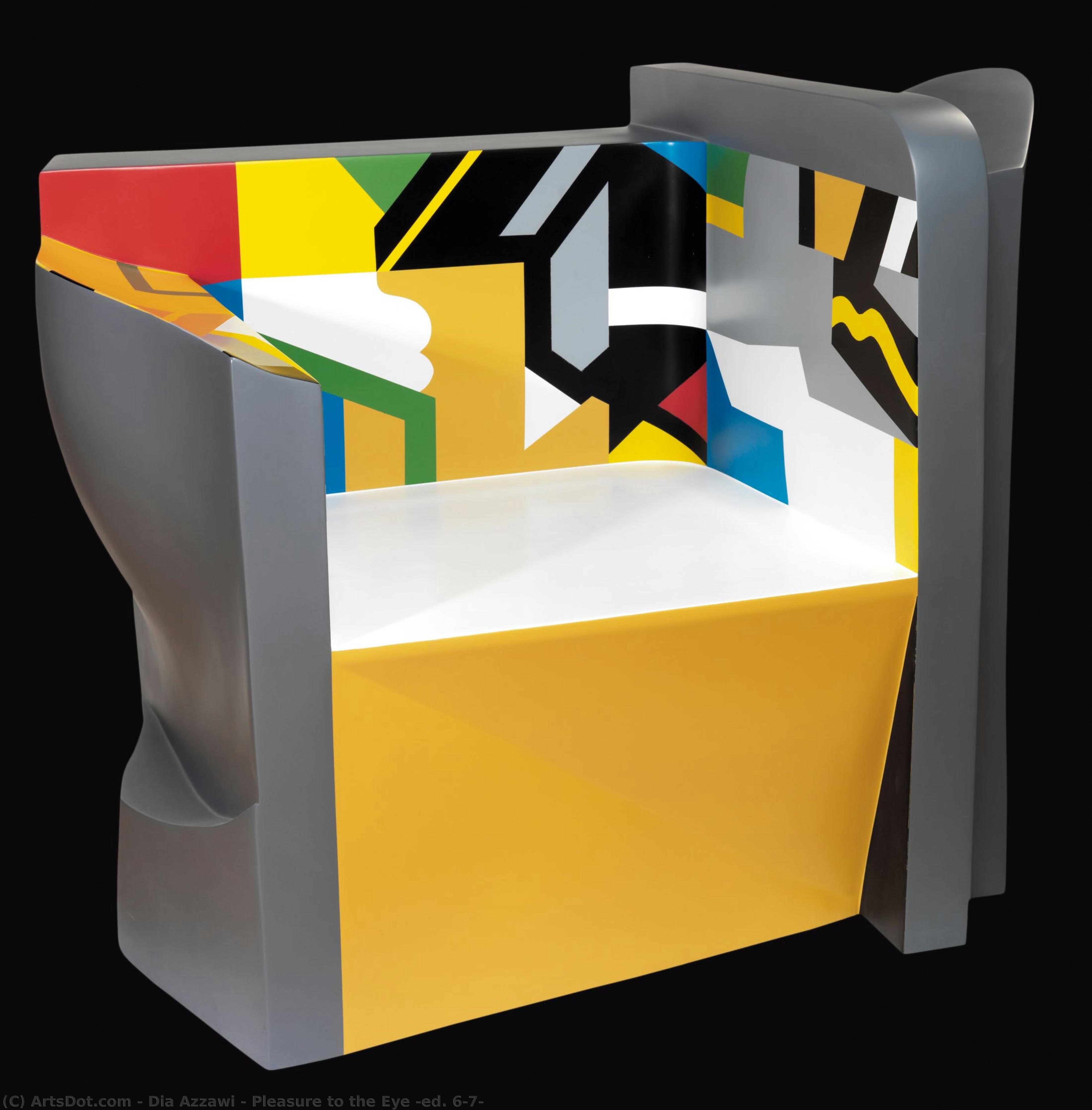
Pleasure to the Eye (ed. 6/7)
Размер репродукции
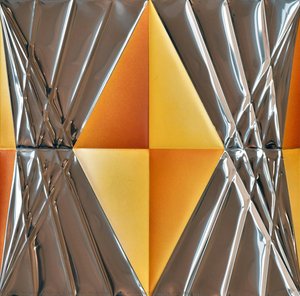
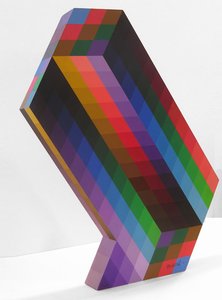
Dia al-Azzawi's "Pleasure to the Eye," created in 2008, isn’t merely a depiction of a file folder; it’s an arresting meditation on information overload and the fragmented nature of modern experience. This digital painting, rendered in bold geometric shapes and a striking color palette, immediately commands attention with its dynamic composition – a seemingly chaotic arrangement that belies a carefully considered structure. The artwork's power lies not in realistic representation but in its evocative abstraction, inviting viewers to contemplate the visual language of data and the complexities of contemporary life.
The piece’s foundation is undeniably Pop Art, drawing influence from artists like Andy Warhol with its embrace of vibrant color blocking and simplified forms. However, al-Azzawi elevates this style through a distinctly geometric sensibility, reminiscent of Constructivism and Minimalism. The dominant shapes – squares, rectangles, and triangles – are meticulously placed, creating a sense of controlled chaos that mirrors the overwhelming flow of information in our digital age. The stark black background serves to amplify these colors, pushing them forward and emphasizing their sharp edges, contributing to an overall feeling of intensity.
Understanding “Pleasure to the Eye” requires acknowledging Dia al-Azzawi's profound connection to his Iraqi heritage. Born in Baghdad in 1939, al-Azzawi’s life and work are inextricably linked to the turbulent history of his homeland – a nation grappling with political upheaval, cultural shifts, and the echoes of ancient civilizations. His early exposure to Mesopotamian ruins and Arabic calligraphy instilled within him a deep appreciation for symbolism and narrative, elements that permeate his entire oeuvre. As documented in biographical accounts, al-Azzawi’s artistic journey was shaped by experiences witnessing war and conflict, leading him to use art as a voice for the silenced – a mission powerfully reflected in this work.
His involvement with groups like the New Vision movement, founded in 1968, further solidified his commitment to challenging conventional artistic norms. This group sought to fuse traditional Arab aesthetics with contemporary expression, reflecting a desire to preserve cultural identity while embracing innovation. Al-Azzawi’s work embodies this spirit, blending geometric abstraction with references to Iraqi folklore and history – subtly hinting at the rich tapestry of his cultural roots.
The deliberate use of form is central to the artwork's impact. The file folder itself, a ubiquitous symbol of organization and information management, is deconstructed into its fundamental geometric components. This fragmentation suggests not just the act of storing data but also the process of breaking down complex ideas into digestible fragments – a metaphor for the way we navigate the digital world. The bold color palette—a vibrant mix of yellows, blues, reds, and greens—adds to this sense of dynamism and energy. These colors aren’t merely decorative; they evoke associations with communication, technology, and perhaps even the intensity of human emotion.
Furthermore, the angular lines that define the folder's surfaces contribute to a feeling of tension and movement. They suggest a relentless flow of information, mirroring the constant stream of data we encounter daily. While overtly abstract, “Pleasure to the Eye” invites viewers to interpret its symbolism – prompting questions about the nature of knowledge, the challenges of communication, and the impact of technology on our perception of reality.
Created in 2008, “Pleasure to the Eye” possesses a remarkable prescience. In an era defined by ubiquitous digital devices and constant connectivity, al-Azzawi's exploration of information overload feels strikingly relevant today. The artwork serves as a potent reminder of the potential for sensory overload and the importance of mindful engagement with the world around us. Its bold aesthetic and layered symbolism continue to resonate with viewers seeking to understand the complexities of contemporary life – making it a compelling piece for collectors, interior designers, and anyone interested in the intersection of art, technology, and culture.


1939 - , Ирак

Погрузитесь в мир искусства! Топ-25 шедевров Метрополитен-музея – Ван Гог, Моне, Рембрандт и другие великие художники. Репродукции картин для вашего дома с Most-Famous-Paintings.com. Вдохновение и декор стен.
Погрузитесь в мир Фернана Леже! Топ-25 шедевров кубизма, раскрывающих машинную эстетику и новаторский стиль художника. Репродукции картин высокого качества для вашего интерьера. Откройте всю коллекцию на Most-Famous-Paintings.com
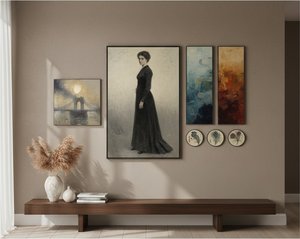
Погрузитесь в мир Джеймса Уистлера! Топ-25 шедевров художника, от знаменитых ноктюрнов до изысканных портретов. Узнайте историю создания и эстетику каждой картины. Репродукции высокого качества для вашего интерьера на Most-Famous-Paintings.com.
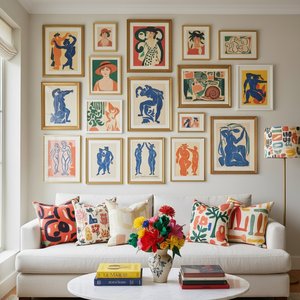
Погрузитесь в мир Анри Матисса! 25 шедевров фовизма, ярких красок и новаторских техник. Узнайте историю создания культовых картин художника и вдохновитесь для интерьера с Most-Famous-Paintings.com – музейное качество репродукций.

Откройте для себя 25 шедевров Национальной галереи искусств! Узнайте истории Сезанна, Матисса и других великих художников. Вдохновение для интерьера и репродукции картин высокого качества на Most-Famous-Paintings.com.


Будьте в курсе последних новостей из мира искусства, эксклюзивных предложений и идей для оформления интерьера.
Расскажите нам о вашем проекте, и наши эксперты по искусству предложат вам 3 персонализированных варианта произведений искусства.
Мы подберем для вас 3 варианта — бесплатно!


 Поделиться

 Читать далее




































 Вариант со стеклом доступен только для размеров менее 110 см