x

Печать (жикле) или холст музейного качества с быстрыми сроками изготовления и широким выбором вариантов отделки. ( Купить картину ручной работы Купить изображение)





























Выберите один из наших стандартных размеров, соответствующих оригинальным пропорциям произведения искусства.

Вы можете указать свои собственные размеры, чтобы репродукция идеально подошла под конкретную раму или пространство. Если выбранный вами размер не будет соответствовать пропорциям оригинала, мы либо обрежем произведение, либо дополним изображение зеркальным отражением краев или однотонной заливкой. Перед началом производства вам будет отправлен цифровой макет для утверждения.
Пожалуйста, обратите внимание, что предварительный просмотр на экране не отображает фактическую обрезку или расширение изображения. Только макет точно покажет финальную композицию.
Несмотря на возможность заказа индивидуальных размеров, мы рекомендуем выбирать размер из предопределенного списка, чтобы сохранить оригинальные пропорции.
Доставка по всему миру () за 2 недели вместо стандартных 4/5 недель. (21 Август)


The Brother
Размер репродукции
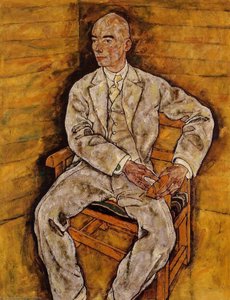
Egon Schiele’s “The Brother,” painted in 1911, stands as a poignant testament to the artist's preoccupation with themes of intimacy, loss, and the inescapable confrontation with death—a characteristic hallmark of Expressionist art. This arresting watercolor depicts two figures seated closely together, their faces turned towards each other in an unspoken exchange of gaze. The man’s posture exudes quiet contemplation, while his eyes are fixed on the woman beside him who is enveloped in repose.
Vienna during Schiele’s time was a crucible of artistic innovation, fueled by intellectual currents questioning traditional values and embracing psychological exploration. The Expressionist movement sought to convey inner emotional states rather than external appearances—a reaction against Impressionism's focus on capturing fleeting moments of beauty. Schiele’s work aligns perfectly with this broader artistic ethos, reflecting the anxieties and uncertainties of a generation grappling with societal upheaval.
The inclusion of a figure representing death—often interpreted as a stylized monk—is arguably the painting's most striking symbolic element. This depiction isn’t merely gruesome; it serves as a visual representation of mortality and its inescapable influence on human experience. The woman’s closed eyes symbolize acceptance, perhaps even surrender to the inevitable, while the man’s gaze suggests an attempt to comprehend this profound reality.
"The Brother" transcends mere visual depiction; it evokes a palpable sense of melancholy and introspection. Schiele skillfully captures the unspoken tension between intimacy and fear—the awareness that even in moments of closeness, death looms as an ever-present shadow. The painting’s subdued palette and expressive brushstrokes invite contemplation on themes of loss, vulnerability, and the human condition—a timeless exploration of existential concerns that continues to resonate with audiences today.

1890 - 1918 , Австрия

Explore the profound history and technical mastery of watercolor painting. From medieval manuscripts to the luminous works of John Singer Sargent, discover how artists capture light and transparency through this delicate, enduring medium.


Будьте в курсе последних новостей из мира искусства, эксклюзивных предложений и идей для оформления интерьера.
Расскажите нам о вашем проекте, и наши эксперты по искусству предложат вам 3 персонализированных варианта произведений искусства.
Мы подберем для вас 3 варианта — бесплатно!


 Предпросмотр
 Поделиться
 Поделиться
 Детали произведения

 Скачать
 Похожие работы
 Рентгенография
 Слайд-шоу

 Читать далее







 Вариант со стеклом доступен только для размеров менее 110 см