x

Печать (жикле) или холст музейного качества с быстрыми сроками изготовления и широким выбором вариантов отделки. ( Купить картину ручной работы Купить изображение)





























Выберите один из наших стандартных размеров, соответствующих оригинальным пропорциям произведения искусства.

Вы можете указать свои собственные размеры, чтобы репродукция идеально подошла под конкретную раму или пространство. Если выбранный вами размер не будет соответствовать пропорциям оригинала, мы либо обрежем произведение, либо дополним изображение зеркальным отражением краев или однотонной заливкой. Перед началом производства вам будет отправлен цифровой макет для утверждения.
Пожалуйста, обратите внимание, что предварительный просмотр на экране не отображает фактическую обрезку или расширение изображения. Только макет точно покажет финальную композицию.
Несмотря на возможность заказа индивидуальных размеров, мы рекомендуем выбирать размер из предопределенного списка, чтобы сохранить оригинальные пропорции.
Доставка по всему миру () за 2 недели вместо стандартных 4/5 недель. (18 Август)


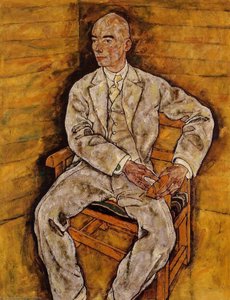
untitled (3781)
Размер репродукции
Egon Schiele's "untitled (3781)," a remarkably intimate and unsettling portrait, offers a profound glimpse into the artist’s tormented psyche. Painted during a period marked by personal tragedy and artistic experimentation, this work transcends mere representation to become a raw expression of vulnerability, mortality, and the complex interplay between life and death. The image depicts a woman with strikingly vibrant green hair, enveloped in a protective embrace by another figure – a man holding her close. Set against a stark white background, the figures command attention, their forms rendered with Schiele’s signature elongated lines and intense gaze. The scene feels both intensely private and universally resonant, inviting viewers to contemplate themes of love, loss, and the inescapable shadow of existence.
To fully appreciate “untitled (3781),” it’s crucial to understand the artist's tumultuous life. Born in 1890 in Tulln an der Donau, Austria, Schiele’s early years were profoundly shaped by illness and loss – his father succumbed to syphilis when he was just fourteen, a devastating event that permeated much of his work. Raised under the watchful eye of his uncle, Leopold Czihaczek, and grappling with the premature deaths of his sister and mother, Schiele developed an acute awareness of fragility and mortality. This biographical backdrop informs every brushstroke, imbuing the painting with a palpable sense of melancholy and urgency. His artistic training at the Vienna Academy of Fine Arts, particularly under the influence of Gustav Klimt, provided him with technical skills but ultimately left him feeling stifled by convention – a desire to break free from established norms fueled his intensely personal and often unsettling style.
Schiele’s technique is immediately arresting. He employs elongated, sinuous lines that seem to writhe with emotion, capturing the physicality of the figures in a way that is both sensual and unsettling. The woman's green hair, an unusual choice for the period, could symbolize vitality, youth, or perhaps even a hint of otherworldly beauty – a defiant assertion against the encroaching darkness. The man’s embrace isn’t one of comfort; rather, it feels possessive, almost desperate. Notice how he dominates the space around her, his body pressing close, suggesting an attempt to shield her from some unseen threat. The stark white background serves to amplify the figures' presence, drawing focus entirely onto their emotional state. The use of a limited color palette – primarily black and white with the vibrant green – further emphasizes the painting’s dramatic intensity. Schiele frequently utilized a technique called “pointillé,” applying tiny dots of paint to create texture and depth, adding to the overall sense of movement and unease.
"untitled (3781)" is not simply a portrait; it’s a psychological exploration. It speaks to the fundamental human need for connection in the face of mortality, but also reveals the anxieties and insecurities that can accompany intimacy. The painting evokes a sense of vulnerability and longing—a silent plea for protection amidst an uncertain world. Schiele's work consistently grappled with themes of sexuality, death, and the human condition, often portraying figures in states of heightened emotion or psychological distress. This particular piece resonates deeply because it captures a moment of intense connection, shadowed by an underlying awareness of fragility. It’s a reminder that even within moments of apparent comfort, the specter of loss always lingers. Reproductions of this powerful work offer a unique opportunity to experience Schiele's vision and contemplate these profound themes.
For high-quality reproductions and to delve deeper into Egon Schiele’s artistic legacy, please visit Most-Famous-Paintings.com.

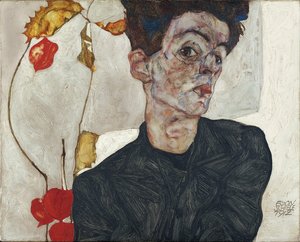
1890 - 1918 , Австрия
Погрузитесь в мир Эгона Шиле! 25 шедевров экспрессионизма, раскрывающих психологическую глубину и новаторский стиль австрийского художника. Купите репродукции картин Шиле премиум-качества для вашего интерьера на Most-Famous-Paintings.com.

Explore the rich history & symbolism of green in art! Discover iconic paintings, techniques, and how to bring verdant harmony into your home with Most-Famous-Paintings's expert guide.

Explore the emotionally charged world of Egon Schiele (1890-1918). Discover his Expressionist masterpieces, psychological themes, and lasting impact on modern art. A comprehensive guide for collectors & enthusiasts.
Погрузитесь в мир экспрессионизма! Откройте топ-10 шедевров Мунка, Кирхнера и других гениев XX века. Узнайте истории создания культовых картин и вдохновитесь для оформления интерьера с Most-Famous-Paintings.com – музейное качество репродукций.

Погрузитесь в мир темных шедевров! Топ-10 знаменитых картин в черных тонах от Гойи, Рембрандта и Мунка. История искусства, техники живописи и вдохновение для вашего интерьера. Купите репродукции высокого качества на Most-Famous-Paintings.com


Будьте в курсе последних новостей из мира искусства, эксклюзивных предложений и идей для оформления интерьера.
Расскажите нам о вашем проекте, и наши эксперты по искусству предложат вам 3 персонализированных варианта произведений искусства.
Мы подберем для вас 3 варианта — бесплатно!


 Предпросмотр
 Поделиться
 Поделиться
 Детали произведения

 Скачать
 Похожие работы
 Рентгенография
 Слайд-шоу
 Читать далее







 Вариант со стеклом доступен только для размеров менее 110 см