Список желаний Корзина Cart
x
Заказать репродукцию Заказать репродукциюКупить цифровое изображение Купить цифровое изображение ПоделитьсяПоделиться
Детали произведенияДетали произведения Добавить в избранное Добавить в избранное СкачатьСкачать Похожие работыПохожие работы РентгенографияРентгенография Слайд-шоуСлайд-шоу

Saint Peter

Saint Peter and Paul - El Greco's masterful depiction captures spiritual devotion with vibrant hues and expressive brushstrokes against a dark backdrop, embodying Byzantine heritage blended with innovative artistic vision.

Погрузитесь в мир Э Греко! Драматичные картины, длинные фигуры и экспрессивное использование света – гений испанского маньеризма вдохновил художников XX века и продолжает восхищать зрителей.

Жикле / Арт-принт

Печать (жикле) или холст музейного качества с быстрыми сроками изготовления и широким выбором вариантов отделки.


P118B $10
P118H $10
P118W $10
P438Z $10
P508JH $12
P508YH $12
P805H $10
P805Z $10
P919BZ $10
P919G $10
P919XJ $10
P959ZH $10
P968JZ $12
W106C $8
W218G $10
W218JH $8
W218Y $10
W307PJ $10
W316G $10
W316PJ $8
W316Y $10
W398PJ $8
W4111J $10
W500HY $15
W500JH $15
W692G $12
W849H $8
W940BG $15
W953PJ $8

Standard
custom
CM
INCH

Выберите один из наших стандартных размеров, соответствующих оригинальным пропорциям произведения искусства.

ширина
высота

Вы можете указать свои собственные размеры, чтобы репродукция идеально подошла под конкретную раму или пространство. Если выбранный вами размер не будет соответствовать пропорциям оригинала, мы либо обрежем произведение, либо дополним изображение зеркальным отражением краев или однотонной заливкой. Перед началом производства вам будет отправлен цифровой макет для утверждения.
Пожалуйста, обратите внимание, что предварительный просмотр на экране не отображает фактическую обрезку или расширение изображения. Только макет точно покажет финальную композицию.
Несмотря на возможность заказа индивидуальных размеров, мы рекомендуем выбирать размер из предопределенного списка, чтобы сохранить оригинальные пропорции.

Доставка по всему миру () за 2 недели вместо стандартных 4/5 недель. (20 Июль)

why_choose_icon
Бесплатная экспресс-доставка по всему миру
why_choose_icon
Высококачественный льняной холст
why_choose_icon
Полное страхование доставки
why_choose_icon
Гарантия возмещения таможенных пошлин
why_choose_icon
Гарантия точного соответствия цветов
why_choose_icon
Политика возврата в течение 60 дней (только при наличии дефектов)
why_choose_icon
Гарантия возврата 100% средств
why_choose_icon
Предложение оптовых скидок

Общая стоимость

-

reproduction

Saint Peter

Жикле / Арт-принт

Размер репродукции

-

Итоговая стоимость

-

Основные сведения

  • Artist: El Greco
  • Subject or theme: Religious iconography
  • Year: 1606
  • Title: Saint Peter
  • Medium: Oil on canvas
  • Dimensions: 73 × 58 cm
  • Location: Museo Nacional Prado, Madrid

Тест по искусству

В каждом вопросе только один правильный ответ.

Вопрос 1:
What is El Greco known for stylistically?
Вопрос 2:
El Greco’s signature in Greek signifies his...
Вопрос 3:
The painting utilizes a dark background to create contrast with the...
Вопрос 4:
El Greco’s artistic training initially involved exposure to which tradition?
Вопрос 5:
Which art movement anticipated El Greco's expressive style?

Описание предмета коллекционирования

El Greco’s Saint Peter and Paul: A Synthesis of Faith and Vision

Doménikos Theotokópoulos, universally known as El Greco – “the Greek” – stands apart from his contemporaries not merely as a painter but as an artist who wrestled with the very essence of spirituality. Born in 1541 on Crete, then under Venetian dominion, his artistic odyssey traversed Venice and Rome before anchoring him firmly in Toledo, Spain—a city steeped in religious fervor that profoundly shaped his oeuvre. El Greco’s legacy transcends stylistic categorization; he anticipated the emotive power of Expressionism and foreshadowed the fractured aesthetic of Cubism decades ahead of their time, establishing himself as a visionary whose influence reverberates through art history. His formative years within the Byzantine tradition instilled in him an unwavering dedication to meticulous detail and a profound grasp of religious iconography—a foundation that wouldn’t constrain his exploration of new artistic horizons. He embraced experimentation with bold color palettes and elongated figures, rejecting academic conventions in favor of conveying inner experience rather than mere representation. This stylistic rebellion wasn't born from defiance but from conviction: El Greco believed that art could illuminate the divine realm, striving to capture not just what was seen but what was felt—a pursuit reflected in every brushstroke.
  • Style: El Greco’s distinctive style is characterized by elongated figures, dramatic poses, and vibrant hues—a departure from the naturalistic tendencies prevalent during his time. He eschewed perspective, prioritizing emotional impact over accurate depiction of space.
  • Technique: Primarily employing oil paint on canvas, El Greco utilized a glazing technique—applying thin layers of translucent pigment upon opaque undercoats—to achieve luminous effects and imbue his paintings with an ethereal quality.
The historical context surrounding El Greco’s work is crucial to understanding its significance. Toledo served as Spain's ecclesiastical capital during the Counter-Reformation, a period marked by intense religious zealotry and papal decrees aimed at combating Protestantism. This atmosphere fueled El Greco’s artistic impulse—he sought to express the fervor of faith through visual language, mirroring the spiritual dynamism of his surroundings. His depictions of saints and biblical figures weren't simply illustrations; they were conduits for conveying theological concepts and evoking profound emotional responses in viewers. Symbolism: The elongated figures embody spiritual transcendence—representing humanity striving to ascend beyond earthly limitations toward divine grace. The radiant halos surrounding the saints symbolize holiness and illumination, underscoring their connection to God’s light. Furthermore, the dramatic poses convey a sense of urgency and pathos—reflecting the struggles inherent in the pursuit of faith. Emotional Impact: El Greco's paintings elicit a visceral response from audiences—inspiring awe and contemplation as viewers confront representations of sacred figures imbued with palpable emotion. The luminous colors and expressive gestures communicate spiritual fervor, prompting introspection and fostering a connection to the divine—a testament to El Greco’s unparalleled ability to translate inner experience into visual form. His Saint Peter and Paul exemplifies this enduring legacy—a masterpiece that continues to captivate art lovers and collectors alike.

Биография художника

Doménikos Theotokópoulos, Known As El Greco – A Pioneer Of Expressionism And Cubism

Doménikos Theotokópoulos, universally recognized as El Greco – “the Greek” – stands apart in the annals of Western art history. Born in Crete, Greece, around 1541, his artistic journey traversed Venice and Rome before finding its definitive expression in the spiritual crucible of Toledo, Spain. He wasn’t merely a product of these locations; he synthesized their diverse influences into an unparalleled style that foreshadowed the emotional fervor of Expressionism and the fragmented forms of Cubism centuries ahead of time. His formative years within the Byzantine tradition instilled in him meticulous attention to detail and a profound understanding of religious iconography – principles that would permeate his entire oeuvre.

Early Training And Venetian Influence

El Greco’s artistic education began in Crete, where he absorbed the stylistic conventions of Byzantium—characterized by serene compositions, stylized figures, and luminous colors. However, his relocation to Venice around 1567 irrevocably altered his trajectory. Immersed in the bustling artistic milieu of the Serenissima Republic, he encountered titans of Venetian painting – Titian, Tintoretto, Veronese – absorbing their mastery of color palettes, compositional strategies, and dramatic lighting techniques. He deliberately loosened his brushwork, embracing the sensual qualities of oil paint and experimenting with dynamic poses that departed from traditional Byzantine conventions. This Venetian influence is palpable in early masterpieces like *St. Sebastian* (1600), where anatomical accuracy harmoniously blends with theatrical illumination—a testament to El Greco’s ability to synthesize disparate artistic traditions.

Roman Exposure And Mannerist Style

A subsequent pilgrimage to Rome exposed him to Mannerism, a stylistic movement that prioritized elongated figures, distorted perspectives, and sophisticated compositional arrangements. While he demonstrated considerable talent within the Roman art world – attracting commissions from prominent patrons – El Greco struggled to gain widespread acclaim amidst the competitive landscape of Florentine artistic circles. Despite facing challenges in establishing himself as a celebrated artist during his formative years, his unwavering dedication to experimentation and innovation would ultimately propel him toward his singular artistic vision.

Toledo And Spiritual Expression

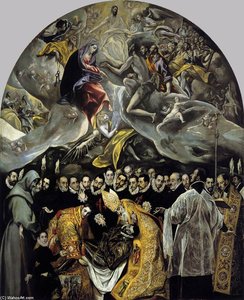
El Greco’s final artistic home was Toledo, Spain—a city steeped in religious fervor during the Counter-Reformation. This environment fostered both patronage and an atmosphere conducive to exploring themes of spirituality and transcendence. It was here that he achieved his most profound artistic breakthroughs, producing works imbued with a palpable sense of emotional intensity and visionary grandeur. His distinctive style – characterized by elongated figures bathed in ethereal light—became synonymous with the expressive power of Mannerism and foreshadowed the stylistic innovations of Expressionism and Cubism. Consider *The Burial of the Count of Orgaz* (1586-1588), a monumental painting that exemplifies El Greco’s masterful blending of Byzantine tradition and Venetian realism. The depiction of a miraculous event—the descent of saints to bury a nobleman—captures the sublime beauty of religious devotion while simultaneously conveying an overwhelming sense of spiritual awe.

Legacy And Recognition

El Greco's artistic legacy extends far beyond his lifetime, resonating powerfully with artists across subsequent eras. His pioneering use of elongated figures and dramatic lighting captivated contemporaries like Picasso and Braque, who recognized him as a precursor to modern art—particularly Cubism—admiring his unconventional perspectives and stylistic boldness. Furthermore, El Greco’s emotive style found kinship with Expressionist painters who sought to convey profound psychological states through vibrant colors and forceful brushstrokes. Today, El Greco is revered as one of the most influential figures in Western art history—a visionary painter whose oeuvre continues to inspire awe and contemplation, securing his place among the titans of artistic innovation and spiritual expression. His paintings remain enduring symbols of faith, emotion, and the boundless capacity of human imagination.
Эль Греко

Эль Греко

1541 - 1614 , Греция

Основные сведения

  • Artistic Movement Or Style: Маньеризм, Барокко
  • Artists Or Movements Influenced By This Artist:
    • Экспрессионизм
    • Кубизм
  • Artists Who Influenced This Artist:
    • Тициан
    • Тинторетто
  • Date Of Birth: 1541 г.
  • Date Of Death: 1614 г.
  • Full Name: Доминикс Феотокóпулос
  • Nationality: Греко-Испанский
  • Notable Artworks:
    • Положение Графа Оргаза
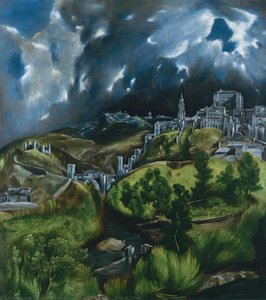
    • Вид Толедо
    • Одевание Христа
  • Place Of Birth: Крета, Греция
Откройте для себя произведения искусства, подобранные по темам, стилям и характеристикам.