x

 Oil On CanvasWallArtGerman Expressionism
 191419th Century
 90.0 x 61.0 cm
Печать (жикле) или холст музейного качества с быстрыми сроками изготовления и широким выбором вариантов отделки. ( Купить картину ручной работы Купить изображение)





























Выберите один из наших стандартных размеров, соответствующих оригинальным пропорциям произведения искусства.

Вы можете указать свои собственные размеры, чтобы репродукция идеально подошла под конкретную раму или пространство. Если выбранный вами размер не будет соответствовать пропорциям оригинала, мы либо обрежем произведение, либо дополним изображение зеркальным отражением краев или однотонной заливкой. Перед началом производства вам будет отправлен цифровой макет для утверждения.
Пожалуйста, обратите внимание, что предварительный просмотр на экране не отображает фактическую обрезку или расширение изображения. Только макет точно покажет финальную композицию.
Несмотря на возможность заказа индивидуальных размеров, мы рекомендуем выбирать размер из предопределенного списка, чтобы сохранить оригинальные пропорции.
Доставка по всему миру () за 2 недели вместо стандартных 4/5 недель. (17 Август)


Dancer
Размер репродукции
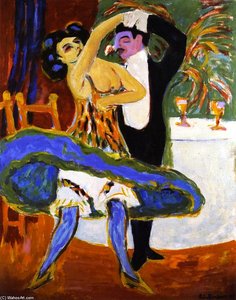
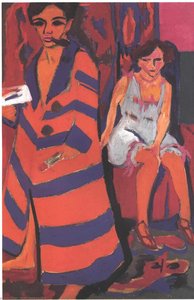
“Dancer,” painted in 1914 by Ernst Ludwig Kirchner, is more than just a depiction of a woman in white; it's a visceral plunge into the heart of German Expressionism. This oil on canvas, measuring 90 x 61 cm, pulsates with an intensity born from Kirchner’s profound engagement with the anxieties and emotional currents swirling through early 20th-century Europe. The painting immediately arrests the viewer with its bold color palette – a riot of reds, blues, and yellows that seem to vibrate with unspoken emotion – and its deliberately distorted forms, hallmarks of a movement determined to reject the comfortable illusions of realism.
Kirchner’s ‘Dancer’ exemplifies the core tenets of Expressionism, a movement that sought to express inner psychological states rather than objective reality. Born from a period of rapid industrialization, social upheaval, and artistic experimentation, Expressionism aimed to capture the anxieties, alienation, and spiritual crises felt by many in response to these changes. Unlike traditional artists who focused on depicting the world as it appeared, Kirchner and his contemporaries deliberately distorted form and color to evoke specific emotions – fear, loneliness, disorientation – within the viewer. The influence of artists like Edvard Munch and Egon Schiele is palpable here, sharing a similar commitment to portraying subjective experience over objective observation.
The painting’s symbolism isn't overtly didactic; instead, it invites interpretation. The dancer herself could represent the destabilization of traditional values in a rapidly changing world. Her isolated presence within the theatrical setting suggests themes of alienation and the loss of connection. Painted in 1914, just before the outbreak of World War I, ‘Dancer’ reflects the pervasive sense of unease and uncertainty that gripped Europe at the time. Kirchner's work was deeply influenced by his experiences living in cities undergoing rapid transformation – from Frankfurt to Chemnitz – witnessing firsthand the social and psychological consequences of modernity.
“Dancer” remains a powerfully evocative artwork, demonstrating Kirchner's mastery of color and form to convey intense emotion. Its dynamic composition and unsettling beauty continue to resonate with viewers today. A hand-painted reproduction offers an exceptional opportunity to bring this seminal work into your home or office – a testament to the enduring power of Expressionism and a captivating addition to any art collection. Consider its impact as a focal point, injecting a dose of raw emotion and intellectual stimulation into your space.

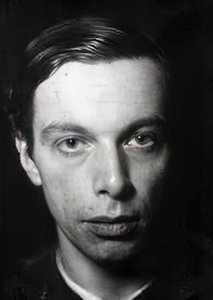
1880 - 1938 , Германия

Explore the visceral power of German Expressionism. From Ernst Ludwig Kirchner to Die Brücke, discover how bold colors and distorted forms unmask raw human emotion in this expert art history guide for collectors and enthusiasts.

Explore the profound history and technical mastery of woodcut relief printing. From ancient origins to German Expressionism, discover how artists use the subtractive process to create iconic works. A definitive guide for art students, collectors, and historians.


Будьте в курсе последних новостей из мира искусства, эксклюзивных предложений и идей для оформления интерьера.
Расскажите нам о вашем проекте, и наши эксперты по искусству предложат вам 3 персонализированных варианта произведений искусства.
Мы подберем для вас 3 варианта — бесплатно!


 Предпросмотр
 Поделиться
 Поделиться
 Детали произведения

 Скачать
 Похожие работы
 Рентгенография
 Слайд-шоу
 Читать далее







 Вариант со стеклом доступен только для размеров менее 110 см