x

 ChalkExpressionism
 1938Modern
 47.0 x 34.0 cm
Картина маслом на холсте в выбранном вами размере и раме, написанная на заказ нашими художниками. ( Купить принт Купить изображение)





























Выберите один из наших стандартных размеров, соответствующих оригинальным пропорциям произведения искусства.

Вы можете указать собственные размеры, чтобы картина идеально вписалась в выбранную раму или пространство. Если выбранный вами размер не соответствует пропорциям оригинала, мы либо обрежем полотно, либо расширим его за счет дополнительных элементов, написанных вручную. Цифровой макет будет отправлен вам на утверждение перед началом производства.
Обратите внимание, что предварительный просмотр на экране не отражает фактическую обрезку или расширение. Только макет точно покажет окончательную композицию.
Хотя доступны индивидуальные размеры, мы рекомендуем выбирать вариант из предопределенного списка, чтобы сохранить исходные пропорции.
Доставка по всему миру () за 3–4 недели вместо стандартных 5 недель. (18 Август). Без компромиссов в качестве.


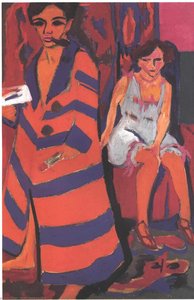
Self-portrait
Размер репродукции
Ernst Ludwig Kirchner (1880-1938) was a pivotal figure in the German Expressionist movement, specifically within Die Brücke ("The Bridge"). Founded in Dresden in 1905, Die Brücke aimed to bridge the gap between traditional art and modern life. Alongside artists like Erich Heckel and Karl Schmidt-Rottluff, Kirchner sought to express raw emotion and subjective experience through bold colors, distorted forms, and unconventional perspectives. Expressionism itself was a reaction against the perceived materialism and complacency of bourgeois society, seeking instead to convey inner turmoil and psychological states.
This self-portrait exemplifies Kirchner's signature style. The use of chalk on canvas creates a textured surface that enhances the emotional intensity. Notice the stark contrast between light and shadow, which emphasizes the subject’s features and contributes to a sense of drama. The composition is tightly cropped, focusing primarily on Kirchner’s face and upper torso. This close-up view intensifies the feeling of intimacy and vulnerability. The angular lines and simplified forms are characteristic of Expressionism, rejecting realistic representation in favor of conveying emotional truth. The purple shirt adds a touch of vibrancy against the muted background, drawing attention to the artist's gaze.
The self-portrait is not merely a likeness; it’s a profound exploration of Kirchner’s inner world. His enigmatic facial expression invites contemplation – is it weariness, anxiety, or introspection? The direct gaze engages the viewer, creating a sense of connection and shared experience. Created in 1938, shortly before Kirchner's tragic suicide amidst the rising tide of Nazism, the painting carries a palpable weight of despair and foreboding. It reflects a period of immense personal and political upheaval in Germany. The work can be interpreted as a symbolic representation of an artist grappling with his own mortality and the encroaching darkness of the era.
Kirchner's self-portrait is particularly significant within the context of German history. The rise of Nazism led to the persecution of Expressionist artists, whose work was deemed "degenerate." Kirchner’s suicide in 1938 underscored the devastating impact of this cultural repression. Today, his works are celebrated for their emotional power and artistic innovation, offering a poignant glimpse into the soul of an artist confronting profound personal and societal challenges. This self-portrait remains a powerful testament to the enduring legacy of Expressionism and its ability to convey universal human emotions.

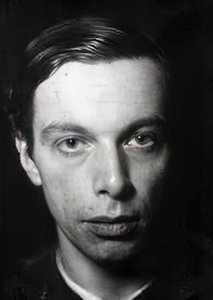
1880 - 1938 , Германия

Explore the visceral power of German Expressionism. From Ernst Ludwig Kirchner to Die Brücke, discover how bold colors and distorted forms unmask raw human emotion in this expert art history guide for collectors and enthusiasts.


Будьте в курсе последних новостей из мира искусства, эксклюзивных предложений и идей для оформления интерьера.
Расскажите нам о вашем проекте, и наши эксперты по искусству предложат вам 3 персонализированных варианта произведений искусства.
Мы подберем для вас 3 варианта — бесплатно!


 Предпросмотр
 Поделиться
 Поделиться
 Детали произведения

 Скачать
 Похожие работы
 Рентгенография
 Слайд-шоу
 Читать далее







 Вариант со стеклом доступен только для размеров менее 110 см