


x


 Preview
 Заказать репродукцию Купить цифровое изображение
 Поделиться
 Детали произведения
 Добавить в избранное
 Скачать
 Похожие работы
 Рентгенография
 Слайд-шоу
Печать (жикле) или холст музейного качества с быстрыми сроками изготовления и широким выбором вариантов отделки.





























Выберите один из наших стандартных размеров, соответствующих оригинальным пропорциям произведения искусства.

Вы можете указать свои собственные размеры, чтобы репродукция идеально подошла под конкретную раму или пространство. Если выбранный вами размер не будет соответствовать пропорциям оригинала, мы либо обрежем произведение, либо дополним изображение зеркальным отражением краев или однотонной заливкой. Перед началом производства вам будет отправлен цифровой макет для утверждения.
Пожалуйста, обратите внимание, что предварительный просмотр на экране не отображает фактическую обрезку или расширение изображения. Только макет точно покажет финальную композицию.
Несмотря на возможность заказа индивидуальных размеров, мы рекомендуем выбирать размер из предопределенного списка, чтобы сохранить оригинальные пропорции.
Доставка по всему миру () за 2 недели вместо стандартных 4/5 недель. (27 Июль)


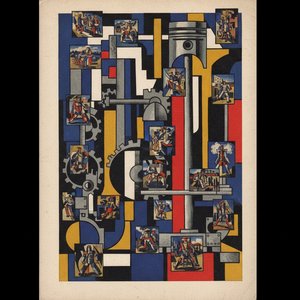
The Balcony
Размер репродукции
Fernand Léger's "The Balcony," painted in 1914, offers a captivating glimpse into the burgeoning artistic landscape of early 20th-century France. This seemingly simple depiction – a group of figures gathered on a balcony – is far more than just a snapshot of a domestic scene; it’s a carefully constructed meditation on modernity, industrialization, and the human condition within a rapidly changing world. Léger, born Joseph Fernand Henri Léger in 1881 in Argentan, Normandy, was a pivotal figure who bridged the gap between traditional representation and the radical experimentation that would define modern art. His upbringing amidst the rural rhythms of Normandy – observing the physicality of labor and the enduring forms of nature – profoundly shaped his artistic sensibility, informing his later embrace of geometric abstraction and his fascination with the mechanical.
“The Balcony” exemplifies Léger’s signature “Tubism,” a style he developed in collaboration with Pablo Picasso. This approach, born from his observations of moving vehicles and industrial machinery, sought to capture the essence of these forms through fragmented geometric shapes. Unlike purely abstract art, Léger retained recognizable human figures, albeit heavily stylized and reduced to their fundamental components. The painting’s surface is characterized by a bold, almost brutalist application of paint – thick impasto strokes create a tactile quality that emphasizes the materiality of the objects and figures. This technique contributes significantly to the work's powerful sense of dynamism and its rejection of traditional illusionistic representation.
Technique Highlights:Painted in 1914, just before the outbreak of World War I, “The Balcony” reflects a period of profound social and technological upheaval. Léger was deeply concerned with the impact of industrialization on human life, anticipating the dehumanizing effects of mass production and the erosion of traditional values. The figures in the painting can be interpreted as representing humanity’s struggle to adapt to this new reality – their unified posture suggesting a shared experience of uncertainty and transformation. The clocks, symbols of time's relentless progression, underscore the anxieties surrounding modernity and the loss of control over one's own life. This work is a crucial piece in understanding Léger’s broader artistic project: a bold attempt to translate the language of the machine into a new visual vocabulary for the 20th century.
"The Balcony" transcends its historical context to offer a powerful meditation on human connection, time, and the forces shaping our world. Léger’s masterful use of form, color, and texture creates an image that is both visually arresting and emotionally resonant. This hand-painted reproduction captures the essence of Léger's artistic vision with exceptional fidelity, offering art lovers, collectors, and interior designers alike a unique opportunity to experience the power and beauty of this seminal work. Its bold geometric forms and evocative symbolism make it a compelling addition to any collection or a striking focal point within an interior space.

1881 - 1955 , Франция
Погрузитесь в мир Фернана Леже! Топ-25 шедевров кубизма, раскрывающих машинную эстетику и новаторский стиль художника. Репродукции картин высокого качества для вашего интерьера. Откройте всю коллекцию на Most-Famous-Paintings.com

Погрузитесь в мир искусства! Топ-25 шедевров Метрополитен-музея – Ван Гог, Моне, Рембрандт и другие великие художники. Репродукции картин для вашего дома с Most-Famous-Paintings.com. Вдохновение и декор стен.
Погрузитесь в мир MoMA! 25 шедевров Ван Гога, Пикассо, Уорхола и других гениев. История искусства, техники живописи и вдохновение для вашего интерьера. Купите репродукции картин высокого качества на Most-Famous-Paintings.com!
Explore 10 defining masterpieces of early modern art – from Picasso & Matisse to Dalí! Discover the stories behind iconic paintings, movements like Cubism & Surrealism. Find museum-quality art reproductions for your home at Most-Famous-Paintings.com.
Погрузитесь в мир Анри Матисса! 25 шедевров фовизма, ярких красок и новаторских техник. Узнайте историю создания культовых картин художника и вдохновитесь для интерьера с Most-Famous-Paintings.com – музейное качество репродукций.


Будьте в курсе последних новостей из мира искусства, эксклюзивных предложений и идей для оформления интерьера.
Расскажите нам о вашем проекте, и наши эксперты по искусству предложат вам 3 персонализированных варианта произведений искусства.
Мы подберем для вас 3 варианта — бесплатно!


 Поделиться


 Читать далее







 Вариант со стеклом доступен только для размеров менее 110 см


