x

Печать (жикле) или холст музейного качества с быстрыми сроками изготовления и широким выбором вариантов отделки. ( Купить картину ручной работы Купить изображение)





























Выберите один из наших стандартных размеров, соответствующих оригинальным пропорциям произведения искусства.

Вы можете указать свои собственные размеры, чтобы репродукция идеально подошла под конкретную раму или пространство. Если выбранный вами размер не будет соответствовать пропорциям оригинала, мы либо обрежем произведение, либо дополним изображение зеркальным отражением краев или однотонной заливкой. Перед началом производства вам будет отправлен цифровой макет для утверждения.
Пожалуйста, обратите внимание, что предварительный просмотр на экране не отображает фактическую обрезку или расширение изображения. Только макет точно покажет финальную композицию.
Несмотря на возможность заказа индивидуальных размеров, мы рекомендуем выбирать размер из предопределенного списка, чтобы сохранить оригинальные пропорции.
Доставка по всему миру () за 2 недели вместо стандартных 4/5 недель. (16 Август)


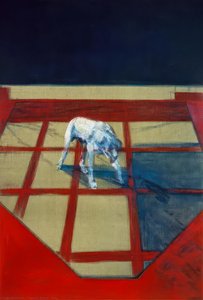
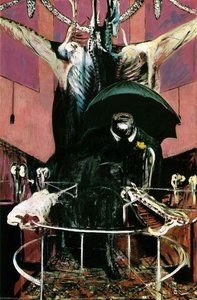
triptych, 1971 right
Размер репродукции
This powerful panel is a cornerstone of Francis Bacon's emotionally charged oeuvre, born from profound personal tragedy. Created in the wake of his lover George Dyer’s death, it forms part of a larger triptych – a format Bacon increasingly favored for its capacity to explore multifaceted perspectives on a single subject. This work, and its companions, represent a raw and unflinching exploration of grief, isolation, and the fragmented nature of human existence, marking a pivotal shift towards his haunting “Black Triptychs.”
The right panel presents a solitary male figure seated before a mirror. Dressed in the conventional attire of a suit and tie – symbols of societal constraint and perhaps, in this context, the trappings of a life now irrevocably altered – the man’s head is deliberately turned away from our direct gaze. Instead, we are confronted with his reflection. This positioning isn't accidental; it creates an unsettling dynamic, denying us immediate access to his emotions while simultaneously forcing us to confront their distorted manifestation. The figure’s expression remains ambiguous, hinting at a complex inner turmoil – despair, resignation, or perhaps a detached self-observation born of trauma. Two subtly rendered figures in the background amplify the sense of claustrophobia and alienation. A chair and dining table anchor the scene within a domestic setting, yet render it profoundly unsettling.
Bacon’s signature style is immediately recognizable: brutally honest figuration pushed to the brink of abstraction. He employs loose, gestural brushstrokes and a deliberately limited color palette – dominated by blacks, greys, and fleshy tones – to create an atmosphere of raw emotional intensity. Anatomical accuracy is sacrificed in favor of distortion and fragmentation, reflecting Bacon’s belief in the inherent vulnerability and decay of the human form. The blurred lines and flattened perspective contribute to the painting's claustrophobic feel, trapping the figure within its own psychological space. This isn’t a portrait aiming for likeness; it’s an excavation of inner torment.
Francis Bacon (1909-1992) emerged as a leading voice in the post-war era, a period defined by existential questioning and disillusionment. His work grapples with themes of violence, mortality, and the absurdity of life – reflecting a broader cultural anxiety. The triptych format itself was crucial to Bacon’s process; he described seeing images “in series,” believing that three panels allowed for a more complete exploration of a subject without imposing a fixed narrative. The 1971 triptychs are particularly poignant, directly addressing his personal grief following Dyer's suicide and transforming private anguish into universal statements about loss. The mirror isn’t merely a reflective surface; it symbolizes self-confrontation, the fractured identity born of trauma, and the inescapable nature of mortality.
*Triptych, 1971 (Right Panel)* is not an easy painting to encounter. It evokes feelings of unease, isolation, and profound sadness. The distorted figure and oppressive atmosphere compel viewers to confront uncomfortable truths about the human condition. However, within this darkness lies a strange beauty – a testament to Bacon’s ability to find poetry in pain and capture the raw essence of experience.
This panel is more than just a painting; it's a visceral experience that challenges viewers to confront their own mortality and the complexities of the human psyche – a powerful statement piece for those who appreciate art with depth and emotional resonance.

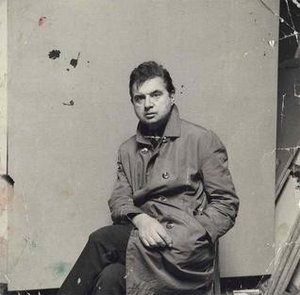
1909 - 1992 , Ирландия
Explore the profound emotional depth of Lyrical Abstraction. Discover how masters like Raymond Parker used color and form to bridge Impressionism and Abstract Expressionism. Learn about this pivotal movement through our expert-led art history guide.

Explore the profound emotional depth of Color Field painting. Discover the history of mid-century abstraction, from Rothko to Newman, and learn how pure color transforms the viewer's experience through our expert art history guide.

Explore the profound emotional depth of Expressionist portraiture. From Edvard Munch to Francis Bacon, discover how masters used distortion and color to reveal inner truths. Learn about this pivotal movement and find museum-quality oil reproductions for your collection.

Discover the profound emotional depth and investment potential of contemporary abstraction. Our expert guide explores how texture, movement, and form create timeless value for discerning art collectors and sophisticated interiors.


Будьте в курсе последних новостей из мира искусства, эксклюзивных предложений и идей для оформления интерьера.
Расскажите нам о вашем проекте, и наши эксперты по искусству предложат вам 3 персонализированных варианта произведений искусства.
Мы подберем для вас 3 варианта — бесплатно!


 Предпросмотр
 Поделиться
 Поделиться
 Детали произведения

 Скачать
 Похожие работы
 Рентгенография
 Слайд-шоу

 Читать далее







 Вариант со стеклом доступен только для размеров менее 110 см