


x


 Preview
 Заказать репродукцию Купить цифровое изображение
 Поделиться
 Детали произведения
 Добавить в избранное
 Скачать
 Похожие работы
 Рентгенография
 Слайд-шоу
Печать (жикле) или холст музейного качества с быстрыми сроками изготовления и широким выбором вариантов отделки.





























Выберите один из наших стандартных размеров, соответствующих оригинальным пропорциям произведения искусства.

Вы можете указать свои собственные размеры, чтобы репродукция идеально подошла под конкретную раму или пространство. Если выбранный вами размер не будет соответствовать пропорциям оригинала, мы либо обрежем произведение, либо дополним изображение зеркальным отражением краев или однотонной заливкой. Перед началом производства вам будет отправлен цифровой макет для утверждения.
Пожалуйста, обратите внимание, что предварительный просмотр на экране не отображает фактическую обрезку или расширение изображения. Только макет точно покажет финальную композицию.
Несмотря на возможность заказа индивидуальных размеров, мы рекомендуем выбирать размер из предопределенного списка, чтобы сохранить оригинальные пропорции.
Доставка по всему миру () за 2 недели вместо стандартных 4/5 недель. (26 Июль)


Burning tree stump
Размер репродукции
Williams’ early life led him to an apprenticeship with a company fitting out shops and making boxes. However, his true passion lay in the arts. At 16, he began taking classes at the national gallery school under william dargie, and later studied painting with george bell, a modernist painter.
His time in London from 1950 to 1956, studying at the chelsea school of art and taking an etching course at the central school of arts and crafts, significantly influenced his style. He was particularly drawn to the work of cézanne, which can be seen in his later landscape paintings.
Fred Williams’ “Burning Tree Stump” embodies a pivotal moment in Australian art history—the immediate aftermath of the devastating bushfires that ravaged the Dandenong Ranges during the summer of 1968. Witnessing firsthand the transformative power of these fires, Williams responded with an urgent desire to capture their visceral impact on both the landscape and human experience.
The painting’s abstract expressionist approach—characterized by loose brushstrokes and a flattened perspective—reflects a broader trend in modernist art during the period. Rejecting traditional representational conventions, Williams sought to convey emotion and atmosphere rather than precise visual detail. This stylistic choice aligns with the influential “Antipodean” manifesto of 1959 championed by fellow artists John Brack, Arthur Boyd, and Charles Blackman.
Williams’ technique—primarily wet-on-wet—allowed him to achieve remarkable textural depth and luminosity. Thick impasto layers create a palpable sense of physicality, while thinner washes of color subtly suggest the shifting light conditions of the firelit landscape. The muted palette—dominated by browns, grays, and whites—underscores the solemn mood of the scene.
Beyond its formal qualities, “Burning Tree Stump” speaks to deeper themes of vulnerability and resilience. The figures emerging from the charred earth symbolize humanity’s confrontation with disaster, yet their clustered arrangement conveys a sense of solidarity and shared experience. The painting serves as a powerful reminder of the profound connection between humans and nature—a connection that is both threatened and reaffirmed by events like wildfires.
Text by Kirs


1927 - 1982 , Australia

Погрузитесь в мир искусства! Топ-25 шедевров Метрополитен-музея – Ван Гог, Моне, Рембрандт и другие великие художники. Репродукции картин для вашего дома с Most-Famous-Paintings.com. Вдохновение и декор стен.

Откройте для себя 25 шедевров Национальной галереи искусств! Узнайте истории Сезанна, Матисса и других великих художников. Вдохновение для интерьера и репродукции картин высокого качества на Most-Famous-Paintings.com.

Погрузитесь в мир Альфреда Муннингса! 25 шедевров британского импрессионизма, запечатлевших красоту лошадей и сельской Англии. Репродукции картин высокого качества для вашего интерьера на Most-Famous-Paintings.com.
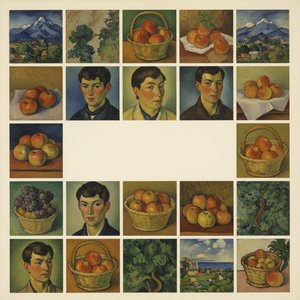
Откройте для себя 25 величайших шедевров Поля Сезанна! Узнайте истории создания картин импрессионизма и постимпрессионизма, технику художника и вдохновение для вашего интерьера. Репродукции картин Сезанна высокого качества на Most-Famous-Paintings.com.
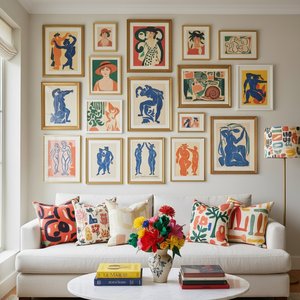
Погрузитесь в мир Анри Матисса! 25 шедевров фовизма, ярких красок и новаторских техник. Узнайте историю создания культовых картин художника и вдохновитесь для интерьера с Most-Famous-Paintings.com – музейное качество репродукций.


Будьте в курсе последних новостей из мира искусства, эксклюзивных предложений и идей для оформления интерьера.
Расскажите нам о вашем проекте, и наши эксперты по искусству предложат вам 3 персонализированных варианта произведений искусства.
Мы подберем для вас 3 варианта — бесплатно!


 Поделиться


 Читать далее







 Вариант со стеклом доступен только для размеров менее 110 см


![Untitled (rome [wall]) (1961) — Ци Тумбли, Abstract Expressionism](/media/artworks/images/thumbnails/df/dc/dfdc781b32244f8c9757f53bf7efc041.jpg)


