


x

Картина маслом на холсте в выбранном вами размере и раме, написанная на заказ нашими художниками. ( Купить принт Купить изображение)





























Выберите один из наших стандартных размеров, соответствующих оригинальным пропорциям произведения искусства.

Вы можете указать собственные размеры, чтобы картина идеально вписалась в выбранную раму или пространство. Если выбранный вами размер не соответствует пропорциям оригинала, мы либо обрежем полотно, либо расширим его за счет дополнительных элементов, написанных вручную. Цифровой макет будет отправлен вам на утверждение перед началом производства.
Обратите внимание, что предварительный просмотр на экране не отражает фактическую обрезку или расширение. Только макет точно покажет окончательную композицию.
Хотя доступны индивидуальные размеры, мы рекомендуем выбирать вариант из предопределенного списка, чтобы сохранить исходные пропорции.
Доставка по всему миру () за 3–4 недели вместо стандартных 5 недель. (20 Август). Без компромиссов в качестве.


Nature studies
Размер репродукции
Giuseppe Arcimboldo's "Nature Studies," particularly the vibrant watercolor depicting a deer and an unidentified horned creature, are not merely charming botanical arrangements; they represent a profound engagement with the intellectual currents of 16th-century Europe. Born in Milan in 1527, Arcimboldo’s career blossomed within the opulent courts of Vienna and Prague, where he served as court painter to emperors Rudolf II and Maximilian II. His unique approach—constructing portraits entirely from meticulously assembled fruits, vegetables, flowers, and even books – defied conventional portraiture, offering a captivating blend of artistry, symbolism, and playful observation. These works weren’t simply decorative; they were carefully crafted allegories designed to resonate with the sophisticated minds of the Renaissance elite, reflecting their fascination with natural philosophy, classical mythology, and the burgeoning scientific exploration of the world.
The historical context surrounding Arcimboldo's work is crucial to understanding its significance. The late 16th century was a period of intense intellectual ferment, marked by the rediscovery of classical texts, advancements in astronomy and anatomy, and a growing interest in the natural sciences. Rudolf II, in particular, was an avid collector of curiosities – exotic animals, rare plants, and unusual objects – reflecting his patronage of the arts and sciences. Arcimboldo’s portraits were commissioned to entertain this discerning ruler, but they also served as visual representations of complex ideas about nature, power, and human identity. The careful selection of each element—the delicate antlers of the deer, the textured fur of the horned creature—was deliberate, imbued with symbolic meaning that spoke to the prevailing worldview of the time.
Arcimboldo’s mastery lies in his exquisite technique – a testament to his meticulous observation and artistic skill. The “Nature Studies” are executed primarily in watercolor on paper, a medium perfectly suited to capturing the delicate textures and subtle gradations of color found in natural forms. He employed a layering technique, building up washes of pigment to create depth and luminosity, mimicking the appearance of fur, wood grain, and foliage with remarkable accuracy. Fine lines define the intricate details of the antlers and the contours of the animals’ faces, while soft, blurred edges suggest the ephemeral nature of the subject matter. The muted earth tones—ochres, browns, greens, and creams—create a harmonious palette that evokes a sense of tranquility and natural beauty.
The artist's use of watercolor is particularly noteworthy for its ability to convey texture. He skillfully manipulated the pigment to simulate the rough bark of trees, the smooth surface of fruit skins, and the delicate petals of flowers. The slight variations in color and tone create a sense of depth and volume, drawing the viewer into the composition. The choice of paper itself—likely parchment—adds to the overall effect, lending a tactile quality to the artwork that invites close examination.
Each element within Arcimboldo’s “Nature Studies” carries symbolic weight. The deer, often associated with grace, nobility, and the hunt, represents strength and vitality. The unidentified horned creature, shrouded in shadow, evokes a sense of mystery and perhaps even danger – a reminder of the wildness that lies beneath the surface of civilization. The inclusion of books within the composition is particularly significant, referencing the humanist ideals of education and knowledge prevalent during the Renaissance. Arcimboldo’s portraits are not simply representations of animals; they are complex allegories that invite interpretation and contemplation.
Furthermore, the arrangement of these objects—the careful juxtaposition of disparate elements—creates a visual dialogue between nature and humanity. The deer's antlers intertwine with the books, suggesting a connection between the natural world and intellectual pursuits. The overall effect is one of harmonious integration, reflecting Arcimboldo’s belief in the interconnectedness of all things. It’s a subtle but powerful commentary on the Renaissance fascination with balance, harmony, and the pursuit of knowledge.
Despite their historical context, Arcimboldo's “Nature Studies” continue to resonate with viewers today. The whimsical nature of these portraits—the unexpected combination of familiar objects—evokes a sense of delight and wonder. They invite us to see the world in new ways, to appreciate the beauty and complexity of the natural world, and to question our assumptions about representation and reality. The artwork’s enduring appeal lies not only in its technical brilliance but also in its ability to capture a fleeting moment of harmony between humanity and nature—a sentiment that remains profoundly relevant in our increasingly complex and disconnected world.
Reproductions of these captivating works offer a unique opportunity to bring the artistry of Arcimboldo into your home or office. Whether you choose a large-scale canvas print or a smaller watercolor reproduction, you’ll be acquiring a piece of art history that celebrates the beauty, mystery, and enduring power of nature.

Имя Giuseppe Arcimboldo – это синоним не только гения, но и загадочности. Этот итальянский художник, живший в XVI веке, оставил после себя наследие, которое продолжает восхищать и удивлять зрителей по всему миру. Его работы, особенно знаменитые портреты, созданные из фруктов, овощей, цветов и других предметов, – это не просто визуальные иллюзии, но и сложные аллегории, пронизанные глубоким символизмом и отражающие дух эпохи Возрождения.
Родившийся в Милане в 1527 году, Giuseppe Arcimboldo начал свой путь в искусстве как мастер по созданию витражей для соборов. Уже тогда проявился его талант к детальной проработке и умение создавать сложные композиции. Его отец, Биagio Arcimboldo, был художником, что, несомненно, повлияло на формирование его художечного видения. В 1549 году он получил заказ на создание витражей для Миланского собора, включая знаменитые изображения Святой Екатерины Александрийской – работы, которые стали отправной точкой в его карьере.
Переломным моментом в жизни Arcimboldo стал 1562 год, когда он был назначен придворным портретистом императора Фердинанда I Габсбурга в Вене. Это назначение открыло перед ним двери в мир роскоши и великолепия, где он мог проявить свою фантазию и творческий потенциал. В последующие годы Arcimboldo служил художником для императоров Максимилиана II и Рудольфа II, создавая костюмы для балов и фестивалей, оформляя дворцы и даже разрабатывая проекты для императорского сада. Его работа была высоко ценимой при дворе, что позволило ему не только развивать свой талант, но и получить доступ к самым редким и дорогим материалам.
Главным отличием творчества Arcimboldo стали его знаменитые "композитные портреты" – изображения людей, созданные из тщательно подобранных предметов. Фрукты, овощи, цветы, книги, музыкальные инструменты – все это превращалось в лица, отражающие характер и статус изображенного человека. В отличие от традиционных портретов, где акцент делался на реалистичное изображение внешности, Arcimboldo создавал образы, которые требовали от зрителя интерпретации и размышления. Он не просто рисовал лицо; он рассказывал историю, передавал определенное послание.
Важно отметить, что этот стиль не возник из ниоткуда. Arcimboldo опирался на традиции Renaissance, в частности, на интерес к головоломкам, загадкам и символизму. Он также был знаком с работами других художников, таких как Леонардо да Винчи, который экспериментировал с искажением перспективы и созданием иллюзий.
Каждый предмет, используемый Arcimboldo для создания своих портретов, имел свое значение. Например, в портрете "Библиотекарь" книги символизируют знания и интеллект, а цветы – красоту и гармонию. В портрете императора Рудольфа II, изображенного как бог весенних садов (Vertumnus), можно увидеть множество растений, которые ассоциируются с плодородием и процветанием. Arcimboldo не просто создавал красивые картинки; он использовал их для передачи определенного смысла, часто скрытого под поверхностью.
Интересно отметить, что многие из его работ содержат двойной смысл – они могут быть интерпретированы по-разному в зависимости от угла обзора и знаний зрителя. Это придает им дополнительную глубину и загадочность.
Несмотря на то, что имя Arcimboldo не было столь известно во время его жизни, как сейчас, его работы оказали значительное влияние на развитие искусства. В начале XX века его творчество было переоценено, а его портреты стали символом сюрреализма. Художники, такие как Сальвадор Дали, были вдохновлены его умением создавать иллюзии и играть с восприятием зрителя. Сегодня Giuseppe Arcimboldo считается одним из самых оригинальных и талантливых художников эпохи Возрождения – мастером иллюзий и символов, чьи работы продолжают восхищать и удивлять людей по всему миру.
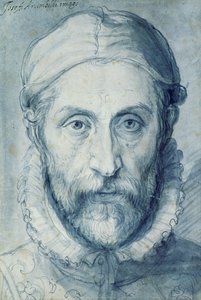
1527 - 1593 , Италия

Embark on a scholarly journey through the world's greatest animal masterpieces. From ancient symbols to Impressionist light, explore the profound history of zoological art and discover museum-quality, hand-painted oil reproductions curated for the discerning collector.

Explore the profound history and technical mastery of watercolor painting. From medieval manuscripts to the luminous works of John Singer Sargent, discover how artists capture light and transparency through this delicate, enduring medium.

Elevate your favorite photos into stunning anime masterpieces with Most-Famous-Paintings's AI-driven transformation. Experience the perfect fusion of cutting-edge technology and hand-painted oil artistry to create a timeless, personalized legacy for your home.


Будьте в курсе последних новостей из мира искусства, эксклюзивных предложений и идей для оформления интерьера.
Расскажите нам о вашем проекте, и наши эксперты по искусству предложат вам 3 персонализированных варианта произведений искусства.
Мы подберем для вас 3 варианта — бесплатно!


 Предпросмотр
 Поделиться
 Поделиться
 Детали произведения

 Скачать
 Похожие работы
 Рентгенография
 Слайд-шоу

 Читать далее







 Вариант со стеклом доступен только для размеров менее 110 см


