x

Печать (жикле) или холст музейного качества с быстрыми сроками изготовления и широким выбором вариантов отделки. ( Купить картину ручной работы Купить изображение)





























Выберите один из наших стандартных размеров, соответствующих оригинальным пропорциям произведения искусства.

Вы можете указать свои собственные размеры, чтобы репродукция идеально подошла под конкретную раму или пространство. Если выбранный вами размер не будет соответствовать пропорциям оригинала, мы либо обрежем произведение, либо дополним изображение зеркальным отражением краев или однотонной заливкой. Перед началом производства вам будет отправлен цифровой макет для утверждения.
Пожалуйста, обратите внимание, что предварительный просмотр на экране не отображает фактическую обрезку или расширение изображения. Только макет точно покажет финальную композицию.
Несмотря на возможность заказа индивидуальных размеров, мы рекомендуем выбирать размер из предопределенного списка, чтобы сохранить оригинальные пропорции.
Доставка по всему миру () за 2 недели вместо стандартных 4/5 недель. (18 Август)


untitled (4246)
Размер репродукции
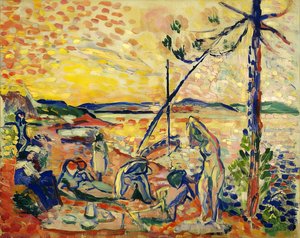
Henri Matisse, a titan amongst Fauvist painters and arguably one of the most influential artists of the 20th century, gifted us with “Untitled (4246),” a landscape that transcends mere depiction—it embodies an ethos of joyful spontaneity and profound artistic vision. Painted sometime between 1937 and 1941 during Matisse’s prolific period in Antibes, France, this artwork isn't simply observed; it’s felt.
The painting presents a hillside vista bathed in the warm hues of Provençal sunlight. Dominating the composition are stylized trees—their trunks rendered in bold strokes of ochre and burnt umber—reaching upwards towards a cerulean sky punctuated by patches of azure and lemon yellow. Beneath this luminous expanse unfolds a tranquil village scene, populated with figures engaged in everyday activities; their forms simplified yet imbued with palpable presence.
Matisse’s stylistic approach—Fauvism—represents a radical departure from Impressionistic conventions. Rejecting the subtle gradations of light and shadow favored by his predecessors, Matisse championed an uncompromising embrace of pure color. He believed that color possessed inherent expressive power, capable of conveying emotion directly to the viewer without mediation.
"Untitled (4246)" exemplifies this principle perfectly. The artist eschews naturalistic pigments, opting instead for vibrant shades—crimson, tangerine, emerald green—that pulsate with energy and vitality. These colors aren’t blended harmoniously; they are juxtaposed boldly against each other, creating a visual dynamism that mirrors the emotional intensity of Matisse's artistic intent.
Matisse meticulously crafted his canvases using tempera paint on canvas—a technique known for its luminosity and durability. He employed a reductive approach to composition, reducing forms to their essential outlines while prioritizing color as the primary vehicle of artistic communication. The deliberate flattening of perspective contributes to the painting’s dreamlike quality, inviting contemplation rather than demanding detailed observation.
Notice how Matisse skillfully uses repetition—the stylized trees appearing multiple times throughout the scene—to reinforce visual rhythm and create a sense of unity. Furthermore, the placement of figures strategically anchors the composition, guiding the viewer's gaze across the landscape and enhancing its overall impact.
"Untitled (4246)" speaks to Matisse’s broader artistic philosophy—a desire to capture not just what is seen but what is felt. The hillside setting symbolizes tranquility and refuge from the anxieties of wartime Europe, mirroring Matisse's own personal experience during World War II.
More profoundly, however, the painting embodies Matisse’s belief in the transformative power of art. By immersing himself in color and form, he sought to liberate his imagination and express joy—a sentiment that radiates outwards from the canvas itself. This artwork remains a testament to Matisse's unwavering conviction that beauty could serve as an antidote to despair.


1869 - 1954 , Франция
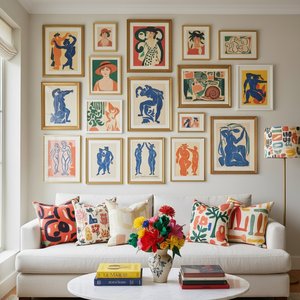
Погрузитесь в мир Анри Матисса! 25 шедевров фовизма, ярких красок и новаторских техник. Узнайте историю создания культовых картин художника и вдохновитесь для интерьера с Most-Famous-Paintings.com – музейное качество репродукций.

Погрузитесь в мир фовизма! 10 шедевров Матисса, Дерена и других мастеров экспрессионизма. Узнайте историю ярких красок и смелых форм. Репродукции картин высокого качества на Most-Famous-Paintings.com – для вашего интерьера.
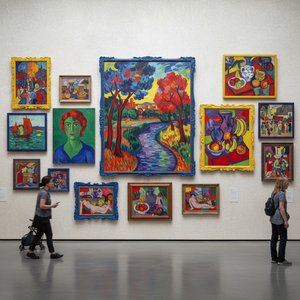
Погрузитесь в мир фовизма! 10 шедевров Матисса, Дерена и других гениев. Узнайте историю ярких красок, революционных техник и вдохновения для вашего интерьера. Репродукции картин на Most-Famous-Paintings.com
Погрузитесь в мир великих пейзажей! От Моне до Ван Гога – 10 шедевров, раскрывающих красоту природы. Узнайте историю создания и вдохновитесь для декора интерьера. Репродукции картин высокого качества на Most-Famous-Paintings.com

Explore the serene landscapes of Henri-Joseph Harpignies, a master of the Barbizon School. Discover his atmospheric paintings, recurring themes & enduring legacy in 19th-century French art. Learn more at Most-Famous-Paintings.


Будьте в курсе последних новостей из мира искусства, эксклюзивных предложений и идей для оформления интерьера.
Расскажите нам о вашем проекте, и наши эксперты по искусству предложат вам 3 персонализированных варианта произведений искусства.
Мы подберем для вас 3 варианта — бесплатно!


 Предпросмотр
 Поделиться
 Поделиться
 Детали произведения

 Скачать
 Похожие работы
 Рентгенография
 Слайд-шоу
 Читать далее







 Вариант со стеклом доступен только для размеров менее 110 см