Продавайте свое искусство
Список желаний Корзина Cart
x
ПредпросмотрПредпросмотр Предпросмотр в ARПредпросмотр в AR Купить картину ручной работы Купить картину ручной работыКупить изображение Купить изображение ПоделитьсяПоделиться
Детали произведенияДетали произведения Добавить в избранное Добавить в избранное СкачатьСкачать Похожие работыПохожие работы РентгенографияРентгенография Слайд-шоуСлайд-шоу

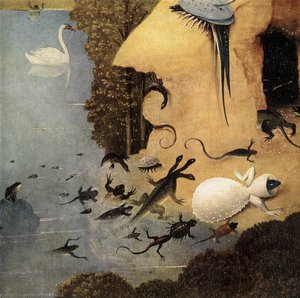
Last Judgement Triptych (central panel)

Explore Hieronymus Bosch’s ‘Last Judgement Triptych’! A chaotic masterpiece of Hell, brimming with grotesque figures & symbolic horror. Oil on panel, 1504. #Bosch #RenaissanceArt

Иероним Бёш (1450-1516) – таинственный голландский художник, мастер сюрреализма и символизма. Его жуткие картины, аллегории и фантастические образы поражают воображение и до сих пор вызывают споры.

Жикле / Арт-принт

Печать (жикле) или холст музейного качества с быстрыми сроками изготовления и широким выбором вариантов отделки. (Купить картину ручной работы Купить картину ручной работыКупить изображение Купить изображение)

P118B $10
P118H $10
P118W $10
P438Z $10
P508JH $12
P508YH $12
P805H $10
P805Z $10
P919BZ $10
P919G $10
P919XJ $10
P959ZH $10
P968JZ $12
W106C $8
W218G $10
W218JH $8
W218Y $10
W307PJ $10
W316G $10
W316PJ $8
W316Y $10
W398PJ $8
W4111J $10
W500HY $15
W500JH $15
W692G $12
W849H $8
W940BG $15
W953PJ $8

Standard
custom
CM
INCH

Выберите один из наших стандартных размеров, соответствующих оригинальным пропорциям произведения искусства.

ширина
высота

Вы можете указать свои собственные размеры, чтобы репродукция идеально подошла под конкретную раму или пространство. Если выбранный вами размер не будет соответствовать пропорциям оригинала, мы либо обрежем произведение, либо дополним изображение зеркальным отражением краев или однотонной заливкой. Перед началом производства вам будет отправлен цифровой макет для утверждения.
Пожалуйста, обратите внимание, что предварительный просмотр на экране не отображает фактическую обрезку или расширение изображения. Только макет точно покажет финальную композицию.
Несмотря на возможность заказа индивидуальных размеров, мы рекомендуем выбирать размер из предопределенного списка, чтобы сохранить оригинальные пропорции.

Доставка по всему миру () за 2 недели вместо стандартных 4/5 недель. (18 Август)

why_choose_icon
Бесплатная экспресс-доставка по всему миру
why_choose_icon
Высококачественный льняной холст
why_choose_icon
Полное страхование доставки
why_choose_icon
Гарантия возмещения таможенных пошлин
why_choose_icon
Гарантия точного соответствия цветов
why_choose_icon
Политика возврата в течение 60 дней (только при наличии дефектов)
why_choose_icon
Гарантия возврата 100% средств
why_choose_icon
Предложение оптовых скидок

Общая стоимость

$ 68

reproduction

Last Judgement Triptych (central panel)

Жикле / Арт-принт

Размер репродукции

-

Итоговая стоимость

$ 68

Основные сведения

  • notable elements: Grotesque figures, symbolic representations of sin, bizarre machinery
  • year: 1504
  • style: Surrealism, Northern Renaissance
  • medium: Oil on panel
  • dimensions: 163 x 128 cm
  • title: Last Judgement Triptych (central panel)

Тест по искусству

В каждом вопросе только один правильный ответ.

Вопрос 1:
Hieronymus Bosch's 'Last Judgement Triptych (central panel)' primarily depicts which realm?
Вопрос 2:
What is a defining characteristic of Bosch's artistic style as seen in this work?
Вопрос 3:
The color palette of the 'Last Judgement' central panel is dominated by which tones?
Вопрос 4:
What medium did Bosch primarily use for this artwork?
Вопрос 5:
The composition of the central panel can be described as:

Описание предмета коллекционирования

A Vision of Damnation: Exploring Bosch’s *Last Judgement Triptych* (Central Panel)

This central panel from Hieronymus Bosch's *Last Judgement Triptych*, painted in 1504, is not merely a depiction of Hell; it’s an immersive and profoundly disturbing experience. Measuring 163 x 128 cm, the artwork overwhelms the viewer with its density of detail and unsettling imagery – a testament to Bosch's unique artistic vision and mastery of oil painting on panel.

Subject & Style: A Medieval Inferno

The scene presents a chaotic panorama of torment, populated by grotesque figures undergoing bizarre punishments. It’s a distinctly *Boschian* landscape—a fusion of realism, fantasy, and deeply rooted moral allegory. Unlike traditional depictions of Hell as fiery pits, Bosch constructs his inferno with unsettling machinery, hybrid creatures, and scenes reflecting the follies and vices of humankind. The style is characterized by meticulous detail, flattened perspective contributing to a claustrophobic atmosphere, and dramatic lighting that emphasizes the contrast between ethereal hope (represented by angelic figures above) and earthly despair below.

Technique & Materials: Layers of Meaning

Bosch’s technique is remarkable for its precision and layering. Executed in oil paint, he likely employed glazing techniques to build up rich color and texture. The rough, uneven textures contribute to the overall sense of decay and suffering. His palette is dominated by earthy browns, ochres, and muted reds, punctuated by strategic flashes of blue and white – a visual representation of divine light struggling against overwhelming darkness. The meticulous brushwork brings each horrifying detail into sharp focus, demanding attention and provoking visceral reactions.

Historical Context & Symbolism: A Reflection of Late Medieval Anxiety

Created during a period of religious upheaval and societal anxieties in the Netherlands, this artwork reflects the late medieval preoccupation with sin, judgment, and salvation. Bosch’s work wasn't simply illustrative; it was deeply symbolic. Instruments of torture represent earthly punishments for specific sins, while bizarre creatures embody demonic forces and the consequences of moral corruption. The inclusion of seemingly mundane objects transformed into instruments of torment underscores Bosch’s belief that sin permeates all aspects of life. Considered alongside works like *The Haywain Triptych*, it's clear Bosch was deeply concerned with humanity’s propensity for vice and the inevitability of divine retribution.

Emotional Impact & Interpretation: A Moral Warning

This panel evokes powerful emotions – horror, disgust, fear, and a profound sense of moral decay. It is not intended to be aesthetically pleasing; rather, it serves as a stark warning against succumbing to temptation and embracing sin. The overwhelming chaos and suffering depicted are meant to shock the viewer into self-reflection and inspire repentance. The artwork’s enduring power lies in its ability to tap into universal anxieties about mortality, judgment, and the consequences of our actions.

For Collectors & Designers

  • A Statement Piece: A high-quality reproduction of this panel serves as a compelling focal point for any space.
  • Historical Significance: Owning a print connects you to the legacy of one of art history’s most enigmatic and influential masters.
  • Intriguing Conversation Starter: The artwork's complex symbolism and unsettling imagery are guaranteed to spark discussion and contemplation.
  • Versatile Aesthetic: While dark in tone, its intricate detail complements both traditional and contemporary interiors.

Биография художника

Hieronymus Bosch: A Netherlandish Enigma

Born around 1450 in the vibrant, bustling town of ’s-Hertogenbosch in the Netherlands—then part of Brabant—Hieronymus Bosch, originally Jheronimus van Aken, remains one of art history’s most compelling and mysterious figures. His world was steeped in late medieval religious fervor, folklore, and a growing sense of societal unease, all of which would profoundly shape his uniquely unsettling artistic vision. Coming from a family with a long tradition of painting—his grandfather, Jan van Aken, and father, Anthonius van Aken, were both artists—Bosch likely received his earliest training within the family workshop, absorbing the techniques and conventions of Netherlandish painting. However, even in his formative years, he began to diverge from established norms, hinting at the extraordinary imagination that would define his career. Biographical details are frustratingly scarce; records are fragmented, leaving much open to speculation and interpretation, adding to the aura of mystique surrounding both the man and his work. He married Aleyt Goyaerts van den Meerveen sometime before 1481, a union that provided him with some financial security through her family’s holdings, but little else is known about their personal life. His years were spent primarily in ’s-Hertogenbosch, where he worked as a painter for wealthy patrons and the church, creating a remarkable body of work that continues to fascinate and challenge viewers today.

Fantastical Visions and Symbolic Depths

Bosch's artistic style is instantly recognizable—a captivating blend of meticulous detail and wildly imaginative imagery. He primarily worked with oil on oak panels, demonstrating a masterful command of the medium, achieving luminous colors and intricate textures. While his early works show influences from traditional Netherlandish painting, particularly in their realism and attention to detail, he quickly moved beyond mere imitation, developing a profoundly original vision. His paintings are not simply representations of reality; they are allegorical landscapes populated by bizarre creatures, hybrid beings, and unsettling scenes that seem plucked from dreams—or nightmares. Religious themes form the core of much of his work, but these are rarely straightforward depictions of biblical stories. Instead, Bosch uses symbolism to explore complex moral and theological concepts, often focusing on the dangers of sin, the fragility of earthly pleasures, and the inevitability of divine judgment. His creatures—grotesque demons, fantastical animals, and strangely human figures—are not merely decorative elements; they are embodiments of vice, temptation, and spiritual corruption. The blending of the sacred and the profane, the beautiful and the grotesque, creates a uniquely unsettling effect that continues to captivate viewers centuries later. He frequently employed a technique of *trompe-l'oeil*, creating illusions of depth and perspective within his densely populated scenes, further enhancing their surreal quality.

Masterpieces of Moral Allegory

Among Bosch’s most celebrated achievements is The Garden of Earthly Delights (c. 1490-1510), a triptych that remains one of the most enigmatic and debated works in art history. When opened, it presents a panoramic vision of paradise, earthly life, and hell—a complex allegorical representation of humanity’s fall from grace. The left panel depicts the Garden of Eden, teeming with fantastical creatures and lush vegetation; the central panel portrays a world consumed by sensual pleasure and unrestrained desire; and the right panel offers a terrifying glimpse into the torments of hell. The Triptych of the Last Judgement (c. 1480-1490) is another powerful example of his skill in portraying both heavenly bliss and infernal torment, while *The Ascent of the Blessed* (c. 1480-1490) demonstrates his ability to create ethereal and dreamlike scenes. Even smaller works like *Epiphany* (c. 1495) showcase his innovative use of oil on wood and complex symbolism, revealing a mind constantly grappling with profound questions about faith, morality, and the human condition. These works are not easily interpreted; Bosch deliberately leaves much open to the viewer’s imagination, encouraging contemplation and debate about their meaning.

Influences and Artistic Context

Identifying Bosch’s direct influences is a challenging task, given the originality of his vision. Scholars suggest possible connections to medieval folklore—particularly tales of demons and devils—religious texts—particularly those emphasizing apocalyptic themes—and the prevailing anxieties of the time, including fears of heresy and social upheaval. The work of earlier Netherlandish painters, such as Pieter Bruegel the Elder, undoubtedly informed his style, but Bosch transcended mere imitation, forging a uniquely personal and unsettling vision. It’s believed that he drew inspiration from illuminated manuscripts, woodcuts, and even popular prints, incorporating these diverse sources into his own distinctive imagery. The intellectual climate of the late 15th century—marked by religious reform movements and growing skepticism towards established authority—likely contributed to Bosch's preoccupation with moral transgression and spiritual corruption.

Legacy and Enduring Influence

Bosch’s work has had a profound and lasting impact on art history. Pieter Bruegel the Elder directly followed in his footsteps, adopting similar themes and compositional techniques, while later movements, such as Surrealism, also drew inspiration from Bosch’s dreamlike imagery and exploration of the subconscious. Artists like Salvador Dalí and Max Ernst openly acknowledged their debt to his unsettling visions. Even today, Bosch's work continues to fascinate and provoke debate, solidifying his place as a master of Netherlandish painting and a visionary artist whose influence extends far beyond his own time. His paintings offer valuable insights into the religious, social, and psychological climate of the late 15th and early 16th centuries, challenging conventional norms and paving the way for new forms of artistic expression. He died in 1516, leaving behind a body of work that continues to haunt and inspire, ensuring his enduring legacy as one of art history’s most singular and unforgettable voices.
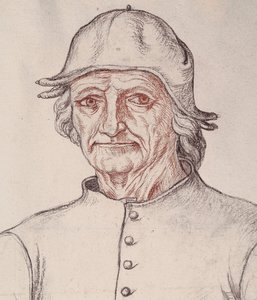
Еронимий Босх

Еронимий Босх

1450 - 1516 , Нидерланды

Основные сведения

  • Artistic Movement Or Style: Сюрреализм, Символизм
  • Artists Or Movements Influenced By This Artist: ['Питер Брюггель Старший']
  • Date Of Birth: ок. 1450 г.
  • Date Of Death: 1516 г.
  • Full Name: Иероним Босх
  • Nationality: Нидерландский
  • Notable Artworks:
    • Сад земных наслаждений
    • Последний суд
    • Восхождение блаженных
  • Place Of Birth: Домбош, Нидерланды
Откройте для себя произведения искусства, подобранные по темам, стилям и характеристикам.