


x
 Acrylic On CanvasWallArtRomanticism
 177519th Century
 59.0 x 47.0 cm
 Музей Тиссен-Борнмизеса
Приобретите цифровое изображение высокого разрешения в улучшенном качестве, которое значительно превосходит онлайн-превью.
Каждый файл тщательно подготавливается нашими специалистами с использованием передовых инструментов и экспертной ручной ретуши. Мы гарантируем исключительную четкость, точную цветопередачу и детальную проработку каждого изображения.
Финальный файл доставляется по электронной почте в течение 72 часов и оптимизирован для немедленного использования в профессиональной среде, при верстке и печати. Это тот же уровень качества, которому доверяют ведущие дизайнерские студии, издательства и галереи.
Скачайте файл высокого разрешения для личного использования, печати и творческих проектов. ( Купить принт Купить картину ручной работы)
Выбирая Most-Famous-Paintings.com, вы получаете не просто изображение — вы приобретаете профессионально обработанное цифровое произведение искусства, созданное с безупречной точностью и под защитой гарантии качества. Вот всё, что автоматически входит в ваш заказ:

Ваш цифровой файл в высоком разрешении будет отправлен вам по электронной почте в течение 72 часов после оформления заказа — и сразу станет доступен для использования.

Ваше произведение искусства проходит профессиональную оптимизацию с использованием передовых инструментов ИИ и ручной обработки, что гарантирует максимальную детализацию, четкость и точность цветопередачи.

Случайно удалили или потеряли файл? Не беспокойтесь — мы отправим его вам повторно в любое время и совершенно бесплатно.

Наслаждайтесь вашим произведением искусства мгновенно без таможенных пошлин, сборов или затрат на доставку — цифровые загрузки всегда не облагаются налогом.

Мы гарантируем, что ваше цифровое изображение максимально точно передает оригинальные цвета благодаря использованию профессиональных инструментов и систем управления цветом.

Если вы останетесь не удовлетворены покупкой цифрового изображения, мы внесем в него правки или вернем 100% стоимости в течение 60 дней — без лишних вопросов.

Не удовлетворены покупкой? Мы гарантируем полный возврат средств в течение 60 дней после получения вашего цифрового файла — без лишних вопросов.

Купите 3 изображения, сэкономьте 10% — Купите 5, сэкономьте 15% — Купите 10+, сэкономьте 20%. Отличное решение для творческих проектов, галерей и агентств.
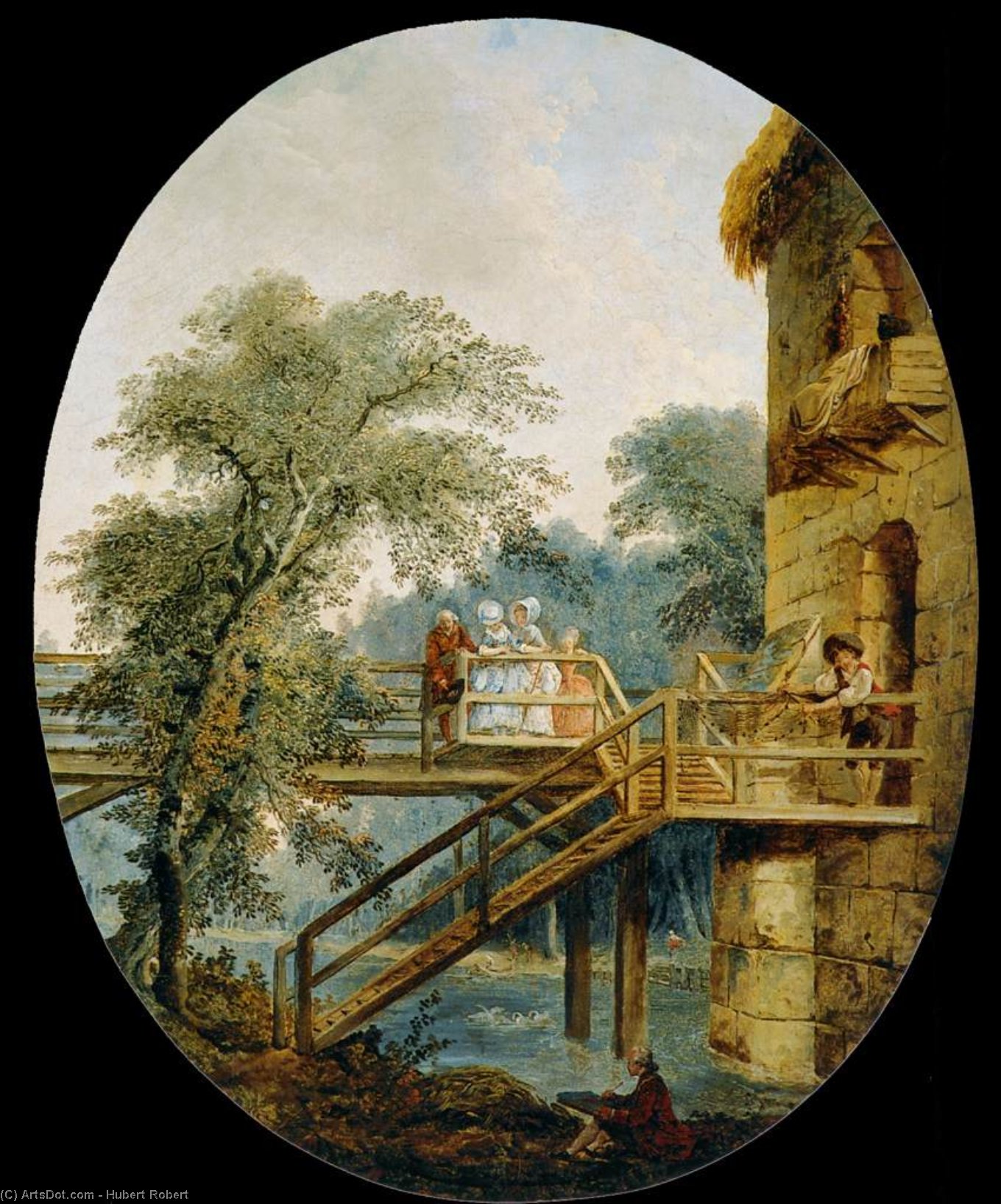
Hubert Robert's "The Footbridge," painted in 1775, isn’t merely a landscape; it’s a carefully constructed dreamscape—a poignant meditation on the passage of time, the allure of ruins, and the delicate balance between nature and human intervention. This captivating oval canvas, now housed within the Thyssen-Bornemisza Museum in Madrid, transports the viewer to a serene yet subtly melancholic world where ancient structures intertwine with the vibrant energy of a bustling scene. Robert, a master of “capriccio,” expertly blends observation with imagination, creating an atmosphere thick with romanticism and a profound sense of nostalgia.
The painting unfolds across a gently sloping hillside, dominated by the skeletal remains of a Roman bridge—a deliberate echo of the grandeur that once was. This isn’t a literal depiction of decay; rather, Robert transforms the ruins into symbols of enduring beauty and timelessness. The weathered stones, draped with ivy and moss, possess an almost ethereal quality, suggesting they are not merely crumbling remnants but portals to another era. The artist's skillful use of light and shadow further enhances this effect, bathing the scene in a soft, diffused glow that evokes the golden hour—a time when reality seems to soften and dreams take flight.
Robert’s fascination with ruins stemmed from his extended sojourn in Rome during the 1760s. Immersed in the city's ancient history, he meticulously sketched and studied the remnants of its imperial past—the Colosseum, the Forum, and countless other crumbling monuments. These observations profoundly shaped his artistic vision, leading him to develop a unique style characterized by an almost obsessive attention to detail and a masterful ability to evoke atmosphere. His technique is distinctly informed by Giovanni Battista Piranesi and Giovanni Paolo Panini, both Roman artists known for their depictions of architecture and ruins. Robert absorbed their techniques—particularly the use of perspective and light—and integrated them into his own distinctive style.
The painting’s composition is meticulously balanced, drawing the eye through a series of carefully orchestrated elements. The figures in the foreground – a man sketching with a small easel and a dog near a bench – are rendered with a delicate realism that contrasts subtly with the idealized beauty of the ruins. Robert employs a loose, expressive brushstroke—a hallmark of his style—to capture the textures of stone, foliage, and water. The color palette is restrained yet evocative, dominated by muted greens, blues, and browns, punctuated by flashes of vibrant color in the flowers and foliage. This careful orchestration creates a sense of harmony and tranquility, inviting the viewer to lose themselves in the scene’s timeless beauty.
Beyond its aesthetic appeal, “The Footbridge” is rich in symbolic meaning. The bridge itself represents connection—a link between past and present, reality and imagination. It also symbolizes transition and impermanence, mirroring the fleeting nature of human life and the inevitable decay of all things. The ruins, far from being symbols of despair, embody a sense of resilience and enduring beauty. They remind us that even in destruction, there is still grace and wonder to be found.
Robert’s painting taps into deep-seated emotions—a longing for the past, a fascination with the sublime, and a recognition of the transience of earthly existence. It evokes a sense of melancholy and nostalgia, yet also offers a glimmer of hope through its celebration of beauty and imagination. The scene invites contemplation on themes of memory, loss, and the enduring power of art to transcend time.
Hubert Robert’s “The Footbridge” stands as a quintessential example of 18th-century Romanticism—a movement that emphasized emotion, imagination, and the beauty of nature. His work profoundly influenced subsequent generations of artists, including Caspar David Friedrich and J.M.W. Turner, who continued to explore themes of ruins, landscapes, and the relationship between humanity and the natural world. Today, “The Footbridge” remains a beloved masterpiece—a testament to Robert’s artistic genius and his ability to capture the essence of beauty in a fleeting moment.


1733 - 1808 , Франция


Будьте в курсе последних новостей из мира искусства, эксклюзивных предложений и идей для оформления интерьера.
Расскажите нам о вашем проекте, и наши эксперты по искусству предложат вам 3 персонализированных варианта произведений искусства.
Мы подберем для вас 3 варианта — бесплатно!


 Предпросмотр
 Поделиться
 Поделиться
 Детали произведения

 Скачать
 Похожие работы
 Рентгенография
 Слайд-шоу
 Читать далее


