


x
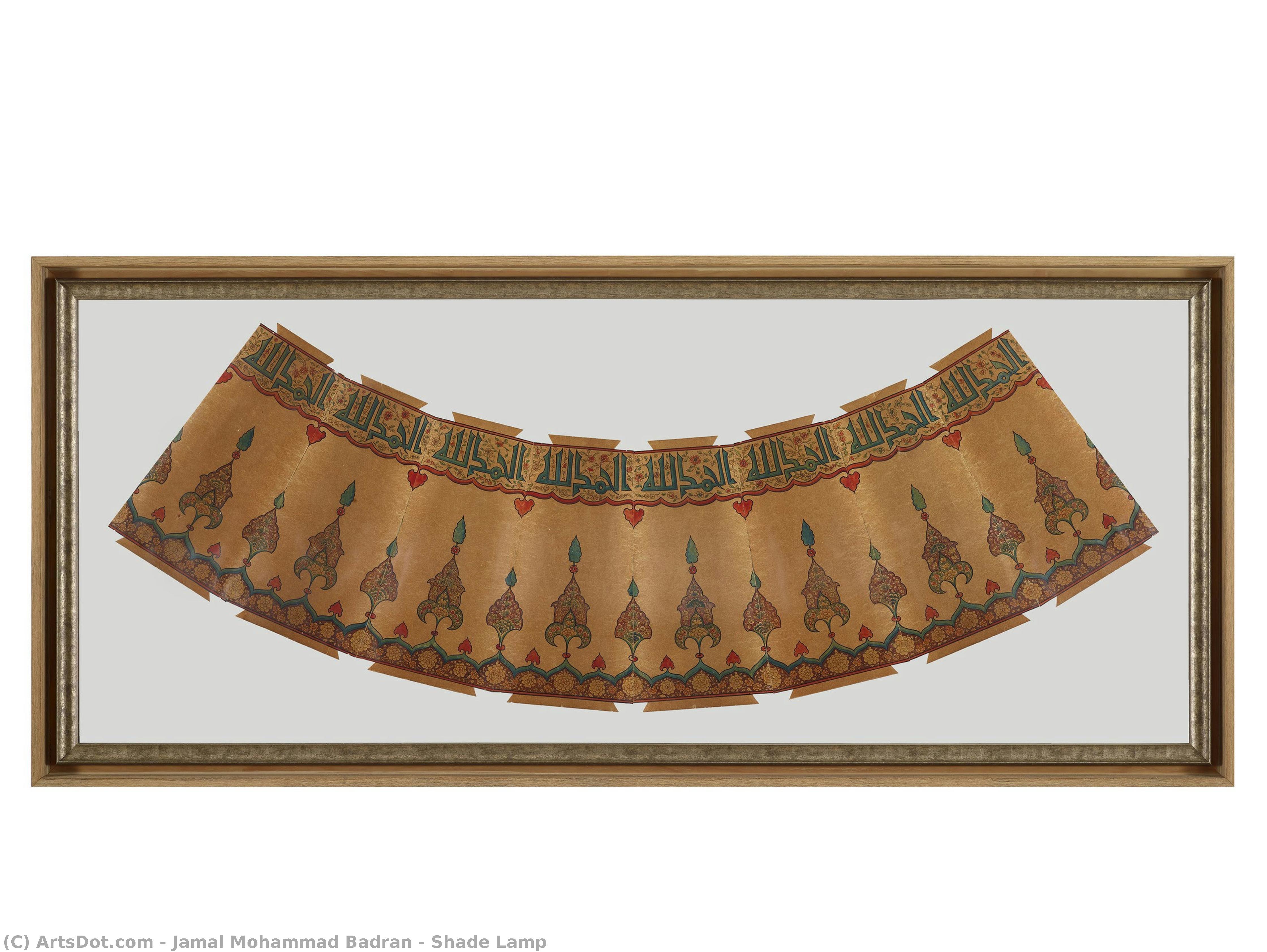
 1988
1988 70.0 x 193.0 cm
 The Ramzi and Saeda Dalloul Art Foundation
Приобретите цифровое изображение высокого разрешения в улучшенном качестве, которое значительно превосходит онлайн-превью.
Каждый файл тщательно подготавливается нашими специалистами с использованием передовых инструментов и экспертной ручной ретуши. Мы гарантируем исключительную четкость, точную цветопередачу и детальную проработку каждого изображения.
Финальный файл доставляется по электронной почте в течение 72 часов и оптимизирован для немедленного использования в профессиональной среде, при верстке и печати. Это тот же уровень качества, которому доверяют ведущие дизайнерские студии, издательства и галереи.
Скачайте файл высокого разрешения для личного использования, печати и творческих проектов. ( Купить принт Купить картину ручной работы)
Выбирая Most-Famous-Paintings.com, вы получаете не просто изображение — вы приобретаете профессионально обработанное цифровое произведение искусства, созданное с безупречной точностью и под защитой гарантии качества. Вот всё, что автоматически входит в ваш заказ:

Ваш цифровой файл в высоком разрешении будет отправлен вам по электронной почте в течение 72 часов после оформления заказа — и сразу станет доступен для использования.

Ваше произведение искусства проходит профессиональную оптимизацию с использованием передовых инструментов ИИ и ручной обработки, что гарантирует максимальную детализацию, четкость и точность цветопередачи.

Случайно удалили или потеряли файл? Не беспокойтесь — мы отправим его вам повторно в любое время и совершенно бесплатно.

Наслаждайтесь вашим произведением искусства мгновенно без таможенных пошлин, сборов или затрат на доставку — цифровые загрузки всегда не облагаются налогом.

Мы гарантируем, что ваше цифровое изображение максимально точно передает оригинальные цвета благодаря использованию профессиональных инструментов и систем управления цветом.

Если вы останетесь не удовлетворены покупкой цифрового изображения, мы внесем в него правки или вернем 100% стоимости в течение 60 дней — без лишних вопросов.

Не удовлетворены покупкой? Мы гарантируем полный возврат средств в течение 60 дней после получения вашего цифрового файла — без лишних вопросов.

Купите 3 изображения, сэкономьте 10% — Купите 5, сэкономьте 15% — Купите 10+, сэкономьте 20%. Отличное решение для творческих проектов, галерей и агентств.

Born in the vibrant coastal city of Haifa in 1909, Jamal Mohammad Badran emerged as one of the most profound visual voices of the twentieth century. His life was not merely a journey through time, but a dedicated pilgrimage toward the preservation and celebration of Arab-Islamic aesthetics. From his earliest years, Badran was immersed in an environment where art and spirituality were inextricably linked. He often recalled being captivated by the mahmal—the ceremonial palanquin that traveled from Damascus to Mecca—whose gold-embroidered silks and intricate textures ignited a lifelong passion for the decorative arts. This early fascination with the interplay of light, texture, and sacred geometry would become the cornerstone of his monumental career.
Badran’s artistic development was marked by an extraordinary academic rigor that bridged the traditions of the East with the technical mastery of the West. His education began in Cairo at the Hamzawi School, where he immersed himself in the classical foundations of Islamic art. Seeking to expand his repertoire, he later traveled to London to study at the Central College of Arts and Crafts. This period of intense training allowed him to master a diverse array of disciplines, including ceramics, metalwork, textile design, and bookbinding. By blending the disciplined rules of Arabic calligraphy with Western technical precision, Badran developed a unique language capable of expressing both the ancient soul of Palestine and the evolving modern world.
The true significance of Badran’s work lies in his role as a guardian of cultural memory. Perhaps his most heroic achievement occurred following the tragic arson of the Al-Aqsa Mosque and the Dome of the Rock in 1968. Tasked with the monumental responsibility of restoring these sacred sites, Badran led teams through years of arduous labor to recreate architectural decorations that had been lost to flame. His meticulous hand breathed life back into carved wood, ceramics, and the delicate Kufic calligraphy of the mosque's pulpit, or minbar. Through this work, he did more than repair structures; he restored a sense of continuity and identity to a people facing profound historical upheaval.
Beyond the grand scale of architectural restoration, Badran’s personal oeuvre remains a testament to the beauty of the applied arts. His mastery extended into various media, where he utilized:
Badran’s impact reached far beyond the borders of Palestine. As an educator commissioned by UNESCO, he traveled to Libya to teach art in Tripoli and Benghazi, spreading the principles of Islamic decorative arts across the Arab world. His studio and his classrooms became sanctuaries for a new generation of artists, where he instilled a deep respect for traditional rules while encouraging the technical innovation necessary for modern expression. Whether working on commissions for royal palaces or creating graphics for private homes, his hand was always guided by a sense of duty to his heritage.
When Jamal Mohammad Badran passed away in 1999, he left behind a legacy that is etched into the very stones of Jerusalem’s most sacred monuments and woven into the fabric of Middle Eastern art history. He remains a symbol of resilience—an artist who used the precision of his craft to mend the fractures of history, ensuring that the luminous beauty of Islamic ornamentation would continue to inspire generations to come.

1909 - 1999 , Palestine


Будьте в курсе последних новостей из мира искусства, эксклюзивных предложений и идей для оформления интерьера.
Расскажите нам о вашем проекте, и наши эксперты по искусству предложат вам 3 персонализированных варианта произведений искусства.
Мы подберем для вас 3 варианта — бесплатно!


 Предпросмотр
 Поделиться
 Поделиться
 Детали произведения

 Скачать
 Похожие работы
 Рентгенография
 Слайд-шоу
 Читать далее





