x

 Acrylic On CanvasWallArtDadaism
 1925
1925 44.0 x 36.0 cm
 Музей современного искусства (Нью-Йорк)
Печать (жикле) или холст музейного качества с быстрыми сроками изготовления и широким выбором вариантов отделки. ( Купить картину ручной работы Купить изображение)





























Выберите один из наших стандартных размеров, соответствующих оригинальным пропорциям произведения искусства.

Вы можете указать свои собственные размеры, чтобы репродукция идеально подошла под конкретную раму или пространство. Если выбранный вами размер не будет соответствовать пропорциям оригинала, мы либо обрежем произведение, либо дополним изображение зеркальным отражением краев или однотонной заливкой. Перед началом производства вам будет отправлен цифровой макет для утверждения.
Пожалуйста, обратите внимание, что предварительный просмотр на экране не отображает фактическую обрезку или расширение изображения. Только макет точно покажет финальную композицию.
Несмотря на возможность заказа индивидуальных размеров, мы рекомендуем выбирать размер из предопределенного списка, чтобы сохранить оригинальные пропорции.
Доставка по всему миру () за 2 недели вместо стандартных 4/5 недель. (19 Август)


(Elikan)
Размер репродукции
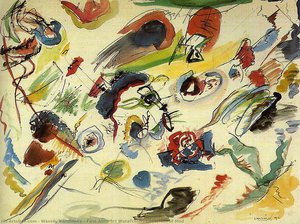
Kurt Schwitters’ “Elikan,” created in 1925, stands as a cornerstone of Dadaism and embodies the movement's radical rejection of traditional artistic conventions. More than just an assemblage of found objects—paper scraps, cardboard fragments, painted surfaces—it represents a profound exploration of chance, materiality, and the disintegration of established order amidst the turbulent aftermath of World War I.
Schwitters’ approach to art was fundamentally altered by the devastation wrought upon Europe. Disillusioned with academic formalism, he sought new methods of expression that mirrored the fractured reality surrounding him. Influenced heavily by Cubist collage techniques—specifically those pioneered by Pablo Picasso and Georges Braque—he adopted a strategy of constructing images from disparate elements, prioritizing spontaneity over meticulous planning.
The artwork itself is dominated by geometric forms: rectangles, squares, and triangles intersect and overlap, creating a dynamic visual landscape. Color plays an integral role, utilizing shades of blue, yellow, red, black, and white—a palette deliberately chosen to convey both emotional intensity and intellectual complexity. The textures vary considerably; some areas boast the rough surface of cardboard, while others display the smooth sheen of painted paper, highlighting Schwitters’ masterful manipulation of materials.
“Elikan,” like many of Schwitters’ Merz Pictures, eschews narrative storytelling in favor of a purely visual experience. Instead, it invites contemplation on concepts of fragmentation and reconstitution—themes central to Dada's critique of bourgeois values and its embrace of irrationality. The piece isn’t merely decorative; it’s a deliberate provocation, urging viewers to confront the instability inherent in modern existence.
Its impact extends beyond its formal qualities. Schwitters’ work anticipates later developments in installation art and conceptual art, demonstrating an unwavering commitment to exploring new possibilities for artistic expression. “Elikan” continues to resonate with audiences today as a testament to the enduring power of Dada's rebellious spirit—a celebration of imperfection and a refusal to accept dogma.
Schwitters’ fascination with the accidental nature of creation is palpable in every element of “Elikan.” The seemingly random arrangement of shapes and colors reflects his belief that art should emerge from unexpected encounters between disparate materials and ideas. This ethos aligns perfectly with Dada's manifesto, which proclaimed "Nothing is beautiful but what is accidental."
The photograph accompanying this description reveals subtle signs of wear—creases and slight discoloration—suggesting that it originates from an older source. However, this patina serves only to underscore the artwork’s historical significance and its enduring presence within the canon of modern art.


1887 - 1948

Master the complexities of Geometric Abstraction. Our expert guide explores the evolution from Cubist deconstruction to Bauhaus precision, decoding the power of shape and form. Perfect for art students seeking deep historical context and academic insight into modern masterpieces.

Explore the profound impact of Minimalism and Geometric Abstraction. From Mondrian to Malevich, discover how stripping art to its essential forms revolutionized modern aesthetics through our expert-led historical guide.

Explore the transformative history of abstract art, from the mathematical purity of Geometric Abstraction to the visceral energy of Abstract Expressionism. Gain expert insights into the power of form and color through our definitive guide to modern masterpieces.


Будьте в курсе последних новостей из мира искусства, эксклюзивных предложений и идей для оформления интерьера.
Расскажите нам о вашем проекте, и наши эксперты по искусству предложат вам 3 персонализированных варианта произведений искусства.
Мы подберем для вас 3 варианта — бесплатно!


 Предпросмотр
 Поделиться
 Поделиться
 Детали произведения

 Скачать
 Похожие работы
 Рентгенография
 Слайд-шоу
 Читать далее







 Вариант со стеклом доступен только для размеров менее 110 см