x

 Заказать принт Купить цифровое изображение
 Поделиться
 Детали произведения
 Добавить в избранное
 Скачать
 Похожие работы
 Рентгенография
 Слайд-шоу
Картина маслом на холсте в выбранном вами размере и раме, написанная на заказ нашими художниками.





























Выберите один из наших стандартных размеров, соответствующих оригинальным пропорциям произведения искусства.

Вы можете указать собственные размеры, чтобы картина идеально вписалась в выбранную раму или пространство. Если выбранный вами размер не соответствует пропорциям оригинала, мы либо обрежем полотно, либо расширим его за счет дополнительных элементов, написанных вручную. Цифровой макет будет отправлен вам на утверждение перед началом производства.
Обратите внимание, что предварительный просмотр на экране не отражает фактическую обрезку или расширение. Только макет точно покажет окончательную композицию.
Хотя доступны индивидуальные размеры, мы рекомендуем выбирать вариант из предопределенного списка, чтобы сохранить исходные пропорции.
Доставка по всему миру () за 3–4 недели вместо стандартных 5 недель. (22 Июль). Без компромиссов в качестве.


Play
Размер репродукции
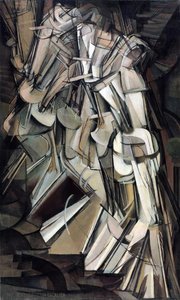
Marcel Duchamp's "Play," painted in 1902, is more than just a depiction of a woman playing tennis; it’s a carefully constructed meditation on the very nature of artistic creation and perception. This seemingly straightforward scene – a female figure poised mid-swing with a tennis racket – immediately reveals itself to be a pivotal work within Duchamp's burgeoning rebellion against traditional artistic conventions. The painting, imbued with a distinctly vintage aesthetic, speaks volumes about the artist’s evolving approach, moving beyond mere representation towards a conceptual engagement with the subject matter.
Created during a period of intense experimentation within the European art world – encompassing Impressionism, Post-Impressionism, and the nascent movements of Cubism – “Play” anticipates Duchamp’s later embrace of Dada and his groundbreaking role as one of the first conceptual artists. Duchamp's decision to paint this scene, rather than meticulously rendering it with traditional techniques, signals a deliberate shift in focus. He isn’t interested in capturing an objective reality; instead, he is exploring the *idea* of tennis, the act of play itself, and the viewer’s interpretation of that action.
Duchamp's technique in “Play” is characterized by a remarkable restraint. The brushstrokes are loose and confident, suggesting a deliberate avoidance of excessive detail. This simplicity isn’t a sign of carelessness; rather, it’s a calculated choice that amplifies the painting’s impact. The muted color palette – predominantly earthy tones with subtle hints of white – contributes to the vintage feel and adds to the overall sense of quiet contemplation. The artist's skill lies not in technical virtuosity but in his ability to distill an idea into its purest form.
Beyond the literal depiction of a tennis game, “Play” carries significant symbolic weight. The act of play itself represents a release from constraint, a moment of unburdened joy and spontaneity – qualities that Duchamp increasingly sought to explore in his work. The woman’s posture suggests both power and vulnerability, inviting viewers to consider the complexities of human experience. It's a scene frozen in time, capturing an ephemeral moment of intense concentration and potential victory.
"Play" stands as a crucial early work by Marcel Duchamp, demonstrating his nascent desire to challenge established artistic norms. Its influence can be seen throughout the 20th century, paving the way for movements like Dada and Surrealism. Today, this painting remains a powerful testament to Duchamp’s revolutionary spirit – a reminder that art can be found not just in what is created, but also in what is questioned.

1887 - 1968 , Франция

Explore the revolutionary art of Marcel Duchamp! Discover how his Dadaist readymades challenged artistic conventions & redefined modern art. A deep dive into 'Fountain', conceptual shifts, and his lasting impact.

Explore the revolutionary Dada art movement! Discover its origins, key artists like Duchamp & Arp, and lasting impact on modern art. A deep dive into anti-art & challenging conventions.

Погрузитесь в мир искусства с 10 знаменитыми картинами, доминирующими в оттенках бледного золотистого! От Моне и Ван Гога – история шедевров импрессионизма и постимпрессионизма. Купите репродукции высокого качества для вашего интерьера на Most-Famous-Paintings.com.

Погрузитесь в мир сюрреализма с Максом Эрнстом! 25 культовых картин, раскрывающих тайны подсознания и новаторские техники. Репродукции высокого качества для вашего интерьера на Most-Famous-Paintings.com. Откройте всю коллекцию онлайн!

Откройте для себя мир ручной росписи как символа устойчивой роскоши и инвестиций в искусство. Исторический контекст, техники, современные тенденции и экспертные советы по созданию уникального интерьера.


Будьте в курсе последних новостей из мира искусства, эксклюзивных предложений и идей для оформления интерьера.
Расскажите нам о вашем проекте, и наши эксперты по искусству предложат вам 3 персонализированных варианта произведений искусства.
Мы подберем для вас 3 варианта — бесплатно!


 Поделиться


 Читать далее







 Вариант со стеклом доступен только для размеров менее 110 см