x

Приобретите цифровое изображение высокого разрешения в улучшенном качестве, которое значительно превосходит онлайн-превью.
Каждый файл тщательно подготавливается нашими специалистами с использованием передовых инструментов и экспертной ручной ретуши. Мы гарантируем исключительную четкость, точную цветопередачу и детальную проработку каждого изображения.
Финальный файл доставляется по электронной почте в течение 72 часов и оптимизирован для немедленного использования в профессиональной среде, при верстке и печати. Это тот же уровень качества, которому доверяют ведущие дизайнерские студии, издательства и галереи.
Скачайте файл высокого разрешения для личного использования, печати и творческих проектов. ( Купить принт Купить картину ручной работы)
Выбирая Most-Famous-Paintings.com, вы получаете не просто изображение — вы приобретаете профессионально обработанное цифровое произведение искусства, созданное с безупречной точностью и под защитой гарантии качества. Вот всё, что автоматически входит в ваш заказ:

Ваш цифровой файл в высоком разрешении будет отправлен вам по электронной почте в течение 72 часов после оформления заказа — и сразу станет доступен для использования.

Ваше произведение искусства проходит профессиональную оптимизацию с использованием передовых инструментов ИИ и ручной обработки, что гарантирует максимальную детализацию, четкость и точность цветопередачи.

Случайно удалили или потеряли файл? Не беспокойтесь — мы отправим его вам повторно в любое время и совершенно бесплатно.

Наслаждайтесь вашим произведением искусства мгновенно без таможенных пошлин, сборов или затрат на доставку — цифровые загрузки всегда не облагаются налогом.

Мы гарантируем, что ваше цифровое изображение максимально точно передает оригинальные цвета благодаря использованию профессиональных инструментов и систем управления цветом.

Если вы останетесь не удовлетворены покупкой цифрового изображения, мы внесем в него правки или вернем 100% стоимости в течение 60 дней — без лишних вопросов.

Не удовлетворены покупкой? Мы гарантируем полный возврат средств в течение 60 дней после получения вашего цифрового файла — без лишних вопросов.

Купите 3 изображения, сэкономьте 10% — Купите 5, сэкономьте 15% — Купите 10+, сэкономьте 20%. Отличное решение для творческих проектов, галерей и агентств.
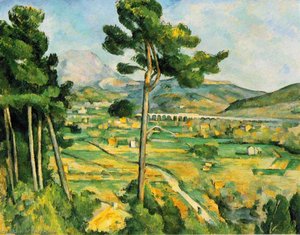
Painted in 1867 during a pivotal period of artistic transition, Paul Cézanne's "Landscape" isn’t merely a depiction of a rural scene; it’s a carefully constructed exploration of perception and the very nature of seeing. This work, housed within the Yale University Art Gallery, represents a crucial stepping stone in Cézanne’s evolution from the Impressionist palette to the nascent forms of Cubism, marking his deliberate departure from fleeting impressions towards a more structured, geometric representation of reality. The painting captures a dirt road winding through a verdant landscape – a familiar subject for Cézanne, who frequently returned to the views surrounding his home in Provence. However, it’s not the idyllic beauty of the scene that dominates; rather, it's the artist’s deliberate manipulation of space and color that commands attention.
Cézanne’s technique is immediately striking. He abandons the traditional Impressionist pursuit of capturing a momentary light effect, instead employing a more methodical approach. Thick, visible brushstrokes—a hallmark of his style—build up layers of paint to define form and volume. Notice how he doesn't simply *paint* the road; he sculpts it with color, creating an illusion of depth and solidity. The grass on either side isn’t rendered as a wash of green but rather as distinct planes of varying shades, suggesting texture and materiality. This deliberate layering is key to Cézanne’s revolutionary approach – he was less interested in replicating what the eye *sees* than in conveying how the mind *interprets* that visual information.
Scattered along the road are several figures, rendered with a remarkable degree of anonymity. They aren't portraits; they’re fragments of human presence within the broader landscape. Their placement is carefully considered – some closer to the viewer, others receding into the distance – creating a sense of spatial depth and inviting the observer to contemplate their relationship to the scene. The two dogs, one positioned centrally and another on the right, add an element of domesticity and perhaps even a hint of narrative, suggesting a quiet moment of rural life. The horse standing off to the left adds further context, hinting at agricultural activity or transport.
Interestingly, Cézanne’s use of perspective is deliberately ambiguous. He doesn't adhere strictly to linear perspective, creating an unsettling sense of spatial distortion. This wasn’t a conscious attempt to mislead the viewer but rather a reflection of his belief that reality itself is constructed within our minds. By fracturing traditional perspective, he forces us to actively engage with the painting and reconstruct its spatial relationships.
While seemingly simple in composition, “Landscape” resonates with deeper symbolic meanings. The dirt road can be interpreted as a metaphor for life’s journey – a winding path through an uncertain future. The figures represent humanity's place within the natural world, highlighting our connection to both the tangible and the intangible. Cézanne himself described his work as "the thinking of things," suggesting that he sought to capture not just appearances but also the underlying essence of his subjects.
The painting’s overall mood is one of serene contemplation. Despite the somewhat unsettling spatial distortions, there's a palpable sense of peace and tranquility. Cézanne masterfully evokes a feeling of timelessness, inviting us to pause and reflect on the beauty and complexity of the natural world. It’s a testament to his ability to transform a commonplace landscape into a profound meditation on perception, form, and the human condition.
“Landscape” is more than just a beautiful painting; it's a pivotal work in art history. Cézanne’s radical approach to representation paved the way for the development of Cubism and other avant-garde movements of the 20th century. His emphasis on structure, form, and color profoundly influenced generations of artists, shaping the course of modern art and leaving an enduring legacy that continues to inspire today.


1839 - 1906 , Франция


Будьте в курсе последних новостей из мира искусства, эксклюзивных предложений и идей для оформления интерьера.
Расскажите нам о вашем проекте, и наши эксперты по искусству предложат вам 3 персонализированных варианта произведений искусства.
Мы подберем для вас 3 варианта — бесплатно!


 Предпросмотр
 Поделиться
 Поделиться
 Детали произведения

 Скачать
 Похожие работы
 Рентгенография
 Слайд-шоу

 Читать далее