x

Печать (жикле) или холст музейного качества с быстрыми сроками изготовления и широким выбором вариантов отделки. ( Купить картину ручной работы Купить изображение)





























Выберите один из наших стандартных размеров, соответствующих оригинальным пропорциям произведения искусства.

Вы можете указать свои собственные размеры, чтобы репродукция идеально подошла под конкретную раму или пространство. Если выбранный вами размер не будет соответствовать пропорциям оригинала, мы либо обрежем произведение, либо дополним изображение зеркальным отражением краев или однотонной заливкой. Перед началом производства вам будет отправлен цифровой макет для утверждения.
Пожалуйста, обратите внимание, что предварительный просмотр на экране не отображает фактическую обрезку или расширение изображения. Только макет точно покажет финальную композицию.
Несмотря на возможность заказа индивидуальных размеров, мы рекомендуем выбирать размер из предопределенного списка, чтобы сохранить оригинальные пропорции.
Доставка по всему миру () за 2 недели вместо стандартных 4/5 недель. (18 Август)


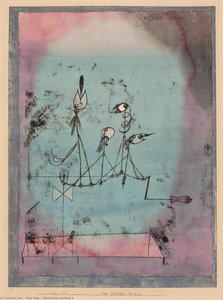
Temple Gardens
Размер репродукции
Paul Klee's “Three Panels,” painted circa 1920, isn’t merely a collection of landscapes; it’s a carefully constructed meditation on perception, memory, and the fractured nature of experience. Emerging from the fertile artistic ground of early 20th-century Switzerland – a period marked by both fervent experimentation and a deep connection to folklore – Klee sought to move beyond representational accuracy and delve into the subjective realm of emotion. The painting’s genesis lies in his fascination with musical composition, believing that visual art could mirror the structure and harmony found within sound. This influence is immediately apparent in the deliberate layering of color and form, creating a dynamic tension between the individual panels.
Klee’s technique is characterized by its meticulous layering of thin washes of color, applied with a delicate touch. He employed a method he termed “gouache,” a water-based opaque paint that allowed for subtle gradations and the creation of luminous effects. The brushstrokes are rarely visible, contributing to the painting's ethereal quality. Notice how he builds up color in thin glazes, creating an almost stained-glass effect within each panel. This technique wasn’t simply about visual beauty; it was a deliberate attempt to capture the fleeting nature of light and shadow, mirroring the ephemeral qualities of memory.
Key Techniques:“Three Panels” resonates deeply with the intellectual currents of its time – the rise of Surrealism, the exploration of the unconscious mind, and the growing interest in folklore and mythology. The fragmented composition reflects a broader cultural anxiety about the loss of traditional values and the disorientation brought on by rapid social change. The recurring motifs—the tree, the building, the mountains—are archetypal symbols that tap into universal human experiences. Klee’s use of these elements suggests a desire to find meaning in a world increasingly defined by uncertainty.
Ultimately, “Three Panels” is a profoundly moving work that invites the viewer to engage in a personal dialogue with its imagery. The painting's emotional impact stems from Klee’s masterful manipulation of color and form, creating a sense of both tranquility and unease. It stands as a testament to his innovative approach to art-making and his ability to capture the complexities of human experience. Today, reproductions of “Three Panels” continue to inspire artists and collectors alike, offering a glimpse into the visionary world of one of 20th century’s most influential figures.

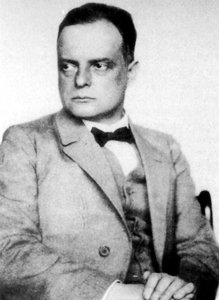
1879 - 1940 , Швейцария
Explore the profound emotional depth of Lyrical Abstraction. Discover how masters like Raymond Parker used color and form to bridge Impressionism and Abstract Expressionism. Learn about this pivotal movement through our expert-led art history guide.

Explore the profound emotional depth of Color Field painting. Discover the history of mid-century abstraction, from Rothko to Newman, and learn how pure color transforms the viewer's experience through our expert art history guide.

Explore the profound history and emotional depth of Abstract Expressionism. From Jackson Pollock to Mark Rothko, master the nuances of the New York School through our expert art history guide. Discover museum-quality hand-painted reproductions for your collection.


Будьте в курсе последних новостей из мира искусства, эксклюзивных предложений и идей для оформления интерьера.
Расскажите нам о вашем проекте, и наши эксперты по искусству предложат вам 3 персонализированных варианта произведений искусства.
Мы подберем для вас 3 варианта — бесплатно!


 Предпросмотр
 Поделиться
 Поделиться
 Детали произведения

 Скачать
 Похожие работы
 Рентгенография
 Слайд-шоу

 Читать далее







 Вариант со стеклом доступен только для размеров менее 110 см