x

 Oil On CanvasWallArtImpressionism
 1868
1868 64.0 x 48.0 cm
Картина маслом на холсте в выбранном вами размере и раме, написанная на заказ нашими художниками. ( Купить принт Купить изображение)





























Выберите один из наших стандартных размеров, соответствующих оригинальным пропорциям произведения искусства.

Вы можете указать собственные размеры, чтобы картина идеально вписалась в выбранную раму или пространство. Если выбранный вами размер не соответствует пропорциям оригинала, мы либо обрежем полотно, либо расширим его за счет дополнительных элементов, написанных вручную. Цифровой макет будет отправлен вам на утверждение перед началом производства.
Обратите внимание, что предварительный просмотр на экране не отражает фактическую обрезку или расширение. Только макет точно покажет окончательную композицию.
Хотя доступны индивидуальные размеры, мы рекомендуем выбирать вариант из предопределенного списка, чтобы сохранить исходные пропорции.
Доставка по всему миру () за 3–4 недели вместо стандартных 5 недель. (20 Август). Без компромиссов в качестве.


Landscape
Размер репродукции
Pierre-Auguste Renoir's "Landscape," painted in 1868, isn’t merely a depiction of a field; it’s an immersion into the very essence of Impressionism – a fleeting moment captured with audacious brushstrokes and a profound understanding of light. This work, currently residing in private collection, offers a glimpse into Renoir's formative years as he wrestled with the burgeoning movement that would define his legacy. It stands as a testament to his early explorations of capturing not just what *is*, but how it *feels* – the warmth of the sun on skin, the dappled shade beneath trees, and the quiet serenity of rural life.
Renoir’s technique in “Landscape” is a masterclass in capturing the ephemeral qualities of light. He abandons the meticulous detail favored by earlier generations, opting instead for loose, visible brushstrokes that create an almost shimmering effect. The colors aren't blended smoothly; they are juxtaposed and layered, allowing each hue to retain its individual vibrancy. Notice how he uses a delicate range of greens – from pale celadon to deeper viridian – to depict the foliage, while warm ochres and yellows illuminate the field and the distant cottage. The sky isn’t rendered as a uniform blue; instead, it's built up with strokes of cerulean, cobalt, and lavender, suggesting movement and atmospheric depth. This deliberate lack of finish is characteristic of Impressionism – an attempt to represent the *impression* of light rather than a photographic reproduction.
The subject matter itself—a simple landscape featuring a thatched cottage nestled within a field of grazing cows—holds layers of symbolic meaning. In 19th-century France, rural life was increasingly viewed as an escape from the pressures and anxieties of urban existence. Renoir’s depiction suggests a longing for this simpler way of life, a yearning for connection with nature. The presence of the cows themselves can be interpreted as symbols of abundance and fertility – essential elements in the agrarian worldview. The cottage, bathed in sunlight, represents domesticity and tranquility, offering a visual anchor within the expansive landscape. It’s important to note that this wasn't simply a realistic portrayal; Renoir infused it with an emotional resonance, hinting at a deeper narrative beyond the surface.
“Landscape” was painted during a pivotal moment in art history – the rise of Impressionism. Artists like Renoir were rejecting the rigid academic traditions of the Salon, seeking to paint *en plein air* (outdoors) and capturing the fleeting effects of light and atmosphere. This movement challenged established notions of beauty and representation, paving the way for modern art. The influence of artists such as Claude Monet is evident in Renoir’s focus on capturing the transient qualities of light and color. Furthermore, the work reflects a broader cultural shift—a growing interest in nature and a desire to reconnect with the natural world following the rapid industrialization of France. Museums like the Petit Palais and Musée Fournaise, both located near Paris, played a crucial role in fostering this artistic movement by showcasing works that challenged traditional norms.
The painting’s enduring appeal lies not only in its technical brilliance but also in its ability to evoke a sense of nostalgia for a bygone era. It's a reminder of the beauty and tranquility that can be found in the simplest of landscapes, captured with an artist’s eye and infused with emotion.

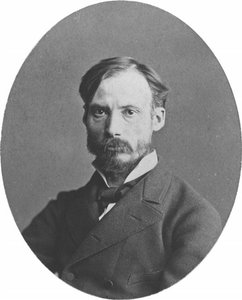
1841 - 1919 , Франция

Погрузитесь в мир Ренуара! 🎨 Откройте топ-25 шедевров импрессионизма, историю создания картин и вдохновляющую красоту. Купите репродукции высокого качества для вашего интерьера на Most-Famous-Paintings.com – музейное искусство онлайн!
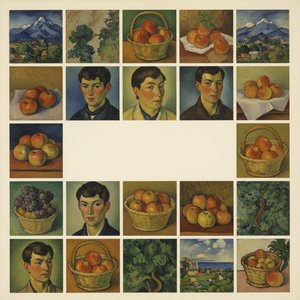
Откройте для себя 25 величайших шедевров Поля Сезанна! Узнайте истории создания картин импрессионизма и постимпрессионизма, технику художника и вдохновение для вашего интерьера. Репродукции картин Сезанна высокого качества на Most-Famous-Paintings.com.
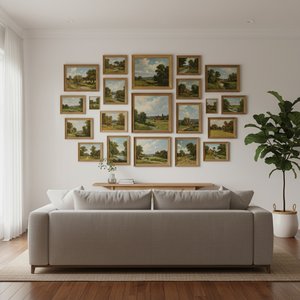
Погрузитесь в мир английского пейзажа с Джоном Констеблом! 25 шедевров романтизма, история создания картин и вдохновение для вашего интерьера. Репродукции высокого качества на Most-Famous-Paintings.com – искусство для ценителей.

Погрузитесь в мир импрессионизма! Откройте топ-10 шедевров Моне, Ренуара и других великих художников. Узнайте историю создания культовых пейзажей и вдохновитесь для декора интерьера. Репродукции картин высокого качества на Most-Famous-Paintings.com
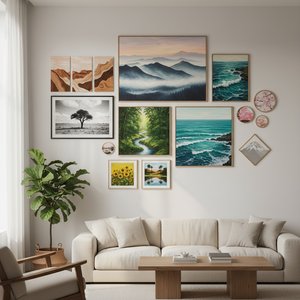
Погрузитесь в мир великих пейзажей! От Моне до Ван Гога – 10 шедевров, раскрывающих красоту природы. Узнайте историю создания и вдохновитесь для декора интерьера. Репродукции картин высокого качества на Most-Famous-Paintings.com


Будьте в курсе последних новостей из мира искусства, эксклюзивных предложений и идей для оформления интерьера.
Расскажите нам о вашем проекте, и наши эксперты по искусству предложат вам 3 персонализированных варианта произведений искусства.
Мы подберем для вас 3 варианта — бесплатно!


 Предпросмотр
 Поделиться
 Поделиться
 Детали произведения

 Скачать
 Похожие работы
 Рентгенография
 Слайд-шоу
 Читать далее







 Вариант со стеклом доступен только для размеров менее 110 см