x

Печать (жикле) или холст музейного качества с быстрыми сроками изготовления и широким выбором вариантов отделки. ( Перейти к заказу ручной росписи Переключиться на изображение)





























Выберите один из наших стандартных размеров, соответствующих оригинальным пропорциям произведения искусства.

Вы можете указать свои собственные размеры, чтобы репродукция идеально подошла под конкретную раму или пространство. Если выбранный вами размер не будет соответствовать пропорциям оригинала, мы либо обрежем произведение, либо дополним изображение зеркальным отражением краев или однотонной заливкой. Перед началом производства вам будет отправлен цифровой макет для утверждения.
Пожалуйста, обратите внимание, что предварительный просмотр на экране не отображает фактическую обрезку или расширение изображения. Только макет точно покажет финальную композицию.
Несмотря на возможность заказа индивидуальных размеров, мы рекомендуем выбирать размер из предопределенного списка, чтобы сохранить оригинальные пропорции.
Доставка по всему миру () за 2 недели вместо стандартных 4/5 недель. (11 Август)


Black Magic
Размер репродукции
René Magritte's "Black Magic," painted in 1934, is not merely a depiction of a woman and a bird; it’s an immersion into the unsettling realm of the subconscious, a quintessential example of surrealist exploration. The painting immediately arrests the viewer with its stark contrast – the pale blue skin of the figure against the rugged, shadowed rock face, creating a visual tension that speaks to the inherent instability of perception itself. This work, born from Magritte’s deeply personal experiences and his fascination with challenging conventional notions of reality, remains one of his most iconic and enduring images.
The genesis of "Black Magic" is inextricably linked to the artist's childhood trauma. The suicide of Magritte’s mother, a profoundly disturbing event witnessed by the thirteen-year-old René, left an indelible mark on his artistic sensibility. The image of her body recovered from the Sambre River – the dress obscuring her face – became a recurring motif, subtly manifesting in the veiled figures and obscured perspectives that characterize much of Magritte’s oeuvre. This isn't simply a portrait; it’s a visual echo of grief, a meditation on loss, and an attempt to grapple with the unknowable aspects of human experience. The woman’s nakedness further amplifies this sense of vulnerability and exposure, inviting the viewer to confront uncomfortable truths about mortality and the fragility of identity.
Executed in Magritte's signature style, “Black Magic” exemplifies the meticulous technique that underpinned his surrealist approach. The painting is rendered with a precise, almost photographic realism – a deliberate contrast to the dreamlike subject matter. Magritte’s brushwork is controlled and considered, building up layers of color to create depth and texture. The composition itself is carefully constructed; the bird perched on her shoulder isn't merely an accessory but a symbolic element, perhaps representing freedom, fragility, or even a watchful presence. The cliff face behind her adds a dramatic backdrop, enhancing the sense of isolation and amplifying the painting’s unsettling atmosphere. The use of muted tones – primarily blues, grays, and browns – contributes to the overall mood of mystery and contemplation.
"Black Magic" operates on multiple symbolic levels. The blue skin could represent a detachment from reality, a state of altered consciousness, or perhaps a mourning shroud. The bird, often associated with freedom and spirituality, is rendered passive, suggesting a loss of agency or a surrender to the unknown. The setting itself – a desolate rock formation – reinforces the themes of isolation and vulnerability. Ultimately, the painting evokes a profound sense of unease and invites viewers to question their own perceptions of reality. It’s a powerful reminder that what we see is not always what is truly there, and that the most compelling art often resides in the spaces between appearances.

Непреходящее наследие Магритта заключается в том, что он заставляет нас видеть знакомое по-новому, подвергать сомнению наши предположения о реальности и ценить силу искусства, побуждающей к размышлениям и вдохновению.
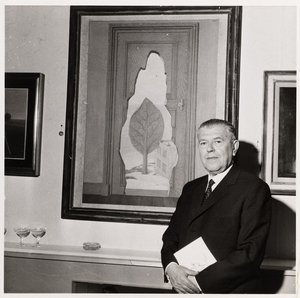
1898 - 1967 , Бельгия

Explore the profound depths of Surrealism. From Dalí’s dreamscapes to Magritte’s enigmas, master the history of the subconscious mind through our expert art guide and discover museum-quality oil reproductions of the world's most iconic surrealist masterpieces.

Explore the profound mystery of René Magritte’s 'The Treachery of Images.' Dive into an expert analysis of his Surrealist philosophy, the paradox of representation, and how he challenged reality through the interplay of language and visual perception.


Будьте в курсе последних новостей из мира искусства, эксклюзивных предложений и идей для оформления интерьера.
Расскажите нам о вашем проекте, и наши эксперты по искусству предложат вам 3 персонализированных варианта произведений искусства.
Мы подберем для вас 3 варианта — бесплатно!


 Предпросмотр
 Поделиться
 Поделиться
 Детали произведения

 Скачать
 Похожие работы
 Рентгенография
 Слайд-шоу

 Читать далее







 Вариант со стеклом доступен только для размеров менее 110 см