
Продавайте свое искусство
Список желаний Корзина Cart
x
ПредпросмотрПредпросмотр Предпросмотр в ARПредпросмотр в AR Перейти к печати Перейти к печатиПерейти к заказу ручной росписи Перейти к заказу ручной росписи ПоделитьсяПоделиться
Детали произведенияДетали произведения Добавить в избранное Добавить в избранное СкачатьСкачать Похожие работыПохожие работы РентгенографияРентгенография Слайд-шоуСлайд-шоу

Crucifixion Triptych (central panel)

Рогер ван дер Вейден (1400-1464) – выдающийся художник Северного Возрождения, мастер эмоциональных религиозных картин, богатых цветов и реалистичных деталей. Исследуйте 'Плачущие над Христом' & многое другое!

Приобретите цифровое изображение высокого разрешения в улучшенном качестве, которое значительно превосходит онлайн-превью.

Каждый файл тщательно подготавливается нашими специалистами с использованием передовых инструментов и экспертной ручной ретуши. Мы гарантируем исключительную четкость, точную цветопередачу и детальную проработку каждого изображения.

Финальный файл доставляется по электронной почте в течение 72 часов и оптимизирован для немедленного использования в профессиональной среде, при верстке и печати. Это тот же уровень качества, которому доверяют ведущие дизайнерские студии, издательства и галереи.

Цифровое изображение

Скачайте файл высокого разрешения для личного использования, печати и творческих проектов. (Перейти к печати Перейти к печатиПерейти к заказу ручной росписи Перейти к заказу ручной росписи)

Итоговая стоимость

$9.99

Включено в каждый заказ цифровых изображений

Гарантия экспертной цифровой доставки

Выбирая Most-Famous-Paintings.com, вы получаете не просто изображение — вы приобретаете профессионально обработанное цифровое произведение искусства, созданное с безупречной точностью и под защитой гарантии качества. Вот всё, что автоматически входит в ваш заказ:

shipping_icon
Мгновенная доставка по e-mail

Ваш цифровой файл в высоком разрешении будет отправлен вам по электронной почте в течение 72 часов после оформления заказа — и сразу станет доступен для использования.

canvas_icon
Цифровой файл с ИИ-улучшением

Ваше произведение искусства проходит профессиональную оптимизацию с использованием передовых инструментов ИИ и ручной обработки, что гарантирует максимальную детализацию, четкость и точность цветопередачи.

insurance_icon
Бессрочная бесплатная повторная доставка

Случайно удалили или потеряли файл? Не беспокойтесь — мы отправим его вам повторно в любое время и совершенно бесплатно.

tax_icon
Без импортных пошлин — навсегда

Наслаждайтесь вашим произведением искусства мгновенно без таможенных пошлин, сборов или затрат на доставку — цифровые загрузки всегда не облагаются налогом.

color_icon
Гарантия точности цветопередачи

Мы гарантируем, что ваше цифровое изображение максимально точно передает оригинальные цвета благодаря использованию профессиональных инструментов и систем управления цветом.

return_icon
Гарантия удовлетворения в течение 60 дней

Если вы останетесь не удовлетворены покупкой цифрового изображения, мы внесем в него правки или вернем 100% стоимости в течение 60 дней — без лишних вопросов.

guarantee_icon
100% Гарантия возврата средств

Не удовлетворены покупкой? Мы гарантируем полный возврат средств в течение 60 дней после получения вашего цифрового файла — без лишних вопросов.

discount_icon
Скидки на оптовые заказы

Купите 3 изображения, сэкономьте 10% — Купите 5, сэкономьте 15% — Купите 10+, сэкономьте 20%. Отличное решение для творческих проектов, галерей и агентств.

Основные сведения

  • Dimensions: 101 x 70 cm
  • Artistic style: Northern Renaissance
  • Year: 1445
  • Medium: Oil on oak
  • Movement: Early Netherlandish Renaissance
  • Influences: Medieval Art
  • Artist: Rogier van der Weyden

Описание коллекции

Rogier van der Weyden’s Crucifixion Triptych: A Masterpiece of Emotion and Detail

The Crucifixion Triptych, created around 1443–1445 by Rogier van der Weyden, stands as a cornerstone of Early Netherlandish painting—a testament to artistic innovation and profound emotional depth. More than just a depiction of biblical scripture, it’s an immersive experience for the viewer, meticulously crafted with unparalleled attention to detail and imbued with symbolic resonance that continues to captivate scholars and collectors alike.

  • Subject Matter: The central panel portrays Jesus Christ crucified on the cross, surrounded by Mary Magdalene and Saint John the Evangelist. This iconic scene captures the pivotal moment of Christian faith—sacrifice and redemption—and embodies the spiritual fervor characteristic of its time.
  • Style & Technique: Van der Weyden’s style exemplifies the Northern Renaissance aesthetic, prioritizing realism and psychological insight over idealized beauty. He employs a masterful glazing technique – layering thin translucent layers of pigment over thicker undercoats – to achieve luminous colors and textures that convey an astonishing sense of physicality. Notice particularly the subtle gradations of light and shadow, creating a palpable atmosphere of sorrow and contemplation.
  • Historical Context: Painted during the Burgundian Renaissance in Brussels, this triptych reflects the burgeoning humanist spirit of the era alongside deep religious devotion. Philip the Good commissioned it, demonstrating the importance of patronage in fostering artistic excellence and disseminating theological ideas. The painting’s meticulous depiction aligns with a broader trend toward portraying biblical narratives with heightened accuracy and emotional intensity.
  • Symbolism: Every element within the triptych speaks to profound symbolic meaning. Mary Magdalene's gesture of compassion—pressing her hand against Christ’s foot—represents comfort and solace in times of suffering. The Virgin Mary’s serene expression embodies maternal piety and unwavering faith. Veronica’s cloth bearing Jesus’s image symbolizes divine grace and humility, highlighting the transformative power of faith.
  • Emotional Impact: Viewing this artwork evokes a powerful response – one of sorrowful empathy and spiritual contemplation. Van der Weyden's masterful rendering captures the anguish of grief and conveys an overwhelming sense of solemn reverence. The luminous colors and textured surfaces heighten the emotional impact, transporting the viewer into the heart of the biblical narrative and prompting reflection on themes of sacrifice, compassion, and divine love.

The Crucifixion Triptych remains a remarkable achievement in artistic history—a timeless masterpiece that continues to inspire awe and admiration for its technical brilliance and profound emotional expression.

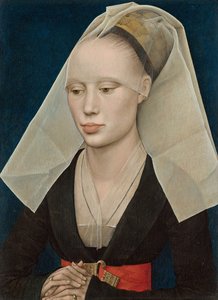
Биография художника

A Master of Emotion: The Life and Legacy of Rogier van der Weyden

Rogier de la Pasture – known to history as Rogier van der Weyden – emerged around 1400 in the vibrant city of Tournai, nestled within what is now Belgium. This talented artist’s life was a testament to his dedication and skill, shaping the course of Early Netherlandish painting. While details surrounding his early years remain somewhat shrouded in mystery, it's believed he initially honed his craft not with brush and pigment alone, but as a goldsmith. This formative training instilled within him an unwavering commitment to meticulous detail and a refined sensibility for craftsmanship – qualities that would become instantly recognizable hallmarks of his artistic style. The precision demanded by working with precious metals undoubtedly translated into the exquisite rendering of textures, fabrics, and expressions that define his most celebrated masterpieces. He wasn’t merely depicting reality; he was recreating it with painstaking accuracy, imbued with an almost reverent attention to detail.

From Tournai to Brussels: A Rising Star

By 1427, van der Weyden had ascended to the rank of master within the Guild of Saint Luke in Tournai – a significant milestone that solidified his position as a professional artist and opened doors to prestigious commissions. His career truly took flight when he entered the service of Philip the Good, Duke of Burgundy, in 1435. This patronage was transformative; it provided not only financial security but also access to an elite circle of influence and exposure to some of the most discerning eyes of the era. It was during this period that van der Weyden’s artistic vision truly began to mature, moving away from the somewhat rigid conventions of earlier Netherlandish painters towards a more emotionally resonant and naturalistic approach. He wasn't simply painting religious scenes; he was striving to evoke genuine feeling in the viewer, to create an experience that transcended mere observation. His work reflected a growing interest in portraying human emotion with unprecedented depth and sensitivity – a departure from the stylized representations of earlier periods.

The Language of Feeling: Style and Technique

Rogier van der Weyden’s artistic signature is immediately recognizable through several defining characteristics. His palette was remarkably rich and diverse, a vibrant tapestry of colors carefully chosen to avoid repetition and create depth and complexity within his compositions. He possessed an extraordinary ability to convey profound emotion – *pathos* – particularly in depictions of religious subjects like the Lamentation, where grief and sorrow are palpable. This emotional intensity wasn’t achieved through dramatic gestures or exaggerated expressions; rather, it was subtly woven into the very fabric of the painting, conveyed through delicate nuances of facial expression, body language, and composition. His figures, while adhering to the conventions of the time, demonstrate a growing interest in realistic representation – not just in anatomy and drapery, but also in capturing the psychological states of his subjects. They possess a dignified, almost sculptural quality, particularly evident in his grand triptychs, lending them an air of solemnity and reverence. He masterfully employed oil paint, building up layers of translucent glazes to achieve luminous effects and create a sense of depth and realism that was revolutionary for its time. The use of light and shadow – *chiaroscuro* – became a key element in his dramatic compositions, further enhancing the emotional impact of his works.

Notable Works and Enduring Masterpieces

Throughout his prolific career, van der Weyden produced numerous works that stand as testaments to his artistic prowess. St Luke Drawing a Portrait of the Madonna, housed in the Museum of Fine Arts, Boston, showcases his mastery of oil on panel and meticulous observation. The *Lamentation*, residing in the Musée des Beaux-Arts Tournai, Belgium, is perhaps his most celebrated work – a powerfully emotive depiction of Christ’s mourning, renowned for its dramatic use of *chiaroscuro* and its ability to evoke profound sorrow in the viewer. Multiple versions of The Deposition exist, each demonstrating his skill in conveying grief and drama with breathtaking sensitivity. The *Annunciation*, a masterpiece of refined style and attention to detail, exemplifies his ability to imbue even the most traditional subjects with a sense of freshness and vitality. And finally, the intricate and richly detailed *Bladelin Triptych* stands as a monumental achievement – a complex altarpiece that showcases the full range of van der Weyden’s artistic abilities. These works, and many others, continue to captivate audiences today, solidifying his position as one of the most important painters of the 15th century.

Lasting Influence: A Legacy Forged in Paint

Van der Weyden's influence extended far beyond the borders of his native Flanders. His works were highly sought after throughout Europe, particularly in Italy and Spain, where they introduced a new level of emotional depth and naturalism to local artistic traditions. Although his fame experienced a period of relative decline in the 17th century, a rediscovery during the 19th century cemented his place as one of the most important painters of the 15th century. He stands alongside Jan van Eyck and Robert Campin as one of the “three great” Early Flemish masters, each contributing uniquely to the development of Northern Renaissance art. His innovative techniques and emotionally charged compositions paved the way for future generations of artists, inspiring countless imitators and influencing the course of Western painting for centuries to come. He helped establish oil painting as the dominant medium and elevated the status of the artist within society, transforming them from skilled craftsmen into revered creators. Rogier van der Weyden’s legacy continues to resonate today, a testament to his enduring genius and his profound understanding of the human condition.
Рогер ван дер Вейден

Рогер ван дер Вейден

1400 - 1464 , Бельгия

Основные сведения

  • Artistic Movement Or Style: Ранненидерландское искусство
  • Artists Or Movements Influenced By This Artist:
    • Итальянское Ренессанс
    • Испанская живопись
  • Artists Who Influenced This Artist:
    • Роберт Кампин
    • Ян ван Эйк
  • Date Of Birth: c. 1400
  • Date Of Death: 1464
  • Full Name: Rogier van der Weyden
  • Nationality: Бельгиец
  • Notable Artworks:
    • Схождение с креста
    • Плачущие
    • Поклонение волхвов
  • Place Of Birth: Tournai, Бельгия

