x


 Заказать репродукцию Купить цифровое изображение
 Поделиться
 Детали произведения
 Добавить в избранное
 Скачать
 Похожие работы
 Рентгенография
 Слайд-шоу
Печать (жикле) или холст музейного качества с быстрыми сроками изготовления и широким выбором вариантов отделки.





























Выберите один из наших стандартных размеров, соответствующих оригинальным пропорциям произведения искусства.

Вы можете указать свои собственные размеры, чтобы репродукция идеально подошла под конкретную раму или пространство. Если выбранный вами размер не будет соответствовать пропорциям оригинала, мы либо обрежем произведение, либо дополним изображение зеркальным отражением краев или однотонной заливкой. Перед началом производства вам будет отправлен цифровой макет для утверждения.
Пожалуйста, обратите внимание, что предварительный просмотр на экране не отображает фактическую обрезку или расширение изображения. Только макет точно покажет финальную композицию.
Несмотря на возможность заказа индивидуальных размеров, мы рекомендуем выбирать размер из предопределенного списка, чтобы сохранить оригинальные пропорции.
Доставка по всему миру () за 2 недели вместо стандартных 4/5 недель. (23 Июль)


Judith's Return to Bethulia
Размер репродукции
Sandro Botticelli's Judith’s Return to Bethulia , painted around 1472 and currently residing within the hallowed halls of the Uffizi Gallery in Florence, is more than just a depiction of a biblical narrative; it’s a potent distillation of Renaissance ideals – courage, faith, and the enduring strength of women. This small-format tempera on panel offers an intimate glimpse into a pivotal moment: Judith's triumphant return to Bethulia bearing the severed head of Holofernes, the Assyrian general she had so cleverly deceived. Botticelli’s masterful handling of light and shadow, coupled with his signature graceful lines, elevates this scene beyond mere illustration, transforming it into a compelling meditation on victory and resilience.
The painting immediately draws the eye to Judith herself, rendered as a figure of remarkable composure amidst apparent chaos. Her face, subtly reminiscent of the central figure in Botticelli’s earlier *Fortitude* (1470), hints at a shared psychological depth – a quiet determination beneath an outward serenity. She carries the head of Holofernes within a simple sack, a stark symbol of her power and the subjugation of tyranny. Beside her stands Susanna, equally dignified, offering support and perhaps a reflection on their shared victory against adversity. The forest setting, rendered with atmospheric perspective, adds to the sense of drama and isolation, emphasizing Judith’s journey from danger to triumph.
Botticelli’s early style is evident in his use of tempera on panel – a technique favored for its luminous colors and ability to retain detail. The palette is rich yet restrained, dominated by earthy tones—ochres, browns, and deep reds—contrasting sharply with the pale flesh of the women. Notice how Botticelli employs *sfumato*, a subtle blurring of lines and edges, particularly around Judith’s face, creating an ethereal quality that softens her features while simultaneously emphasizing her strength. The meticulous rendering of fabric – the sack, Susanna's cloak – demonstrates Botticelli’s dedication to anatomical accuracy and his keen observation of the natural world.
Interestingly, the painting reveals influences from artists like Antonio del Pollaiolo and Mantegna, both known for their dramatic compositions and expressive figures. Botticelli seems to have absorbed elements of their style while maintaining a distinctly personal vision. The dynamic pose of Judith, holding aloft the head of Holofernes, echoes the heroic gestures found in earlier Renaissance art, but Botticelli imbues it with a uniquely human vulnerability.
The story of Judith is steeped in symbolism. Judith herself represents Jewish courage and faith in the face of overwhelming odds. Her deception of Holofernes highlights the power of intelligence and strategic thinking as weapons against brute force. The sack containing the head symbolizes not just victory, but also a warning to all who would threaten the Israelites. It’s a potent reminder that even the most formidable enemies can be overcome through cunning and divine assistance.
Beyond the immediate narrative, *Judith’s Return to Bethulia* speaks to broader Renaissance themes of virtue, honor, and the role of women in society. In an era where female figures were often relegated to passive roles, Botticelli presents Judith as a proactive agent of change – a warrior queen who secures her people's freedom through her own actions. The painting’s enduring appeal lies in its ability to resonate with viewers across centuries, offering a timeless celebration of female strength and resilience.
Botticelli’s *Judith’s Return to Bethulia* is a cornerstone of the Italian Renaissance. At Most-Famous-Paintings.com , we are proud to offer meticulously crafted, hand-painted oil painting reproductions that capture the essence and beauty of this iconic masterpiece. Our skilled artisans utilize traditional techniques and archival-quality materials to create faithful representations that will grace your home or office with Botticelli’s genius. Whether you're an art enthusiast, a collector, or simply seeking to add a touch of Renaissance elegance to your space, our reproductions provide an accessible and authentic way to experience the power and artistry of this remarkable painting.

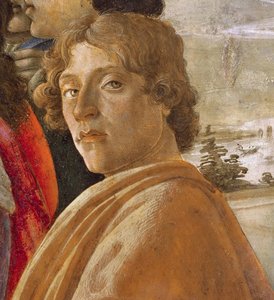
1445 - 1510 , Италия
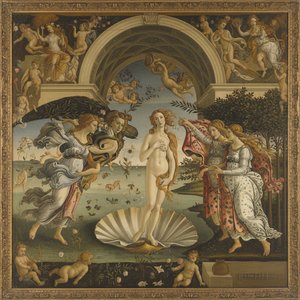
Погрузитесь в мир Сандро Боттичелли! 25 шедевров Ренессанса – "Рождение Венеры", "Весна" и другие культовые картины. Узнайте историю, технику и вдохновение великого художника. Репродукции высокого качества для вашего интерьера на Most-Famous-Paintings.com.
Погрузитесь в эпоху Возрождения! Откройте 10 шедевров Леонардо да Винчи, Рафаэля и Боттичелли. Узнайте историю создания культовых картин и вдохновитесь для декора вашего дома с Most-Famous-Paintings.com. Explore the full collection online!
Погрузитесь в мир искусства Alte Pinakothek! 25 шедевров Ренессанса и Барокко от Леонардо да Винчи, Рафаэля, Рубенса и других великих художников. Узнайте истории создания культовых картин и вдохновитесь для декора вашего интерьера. Откройте всю коллекцию на Most-Famous-Paintings.com!

Погрузитесь в мир искусства! Топ-25 шедевров Метрополитен-музея – Ван Гог, Моне, Рембрандт и другие великие художники. Репродукции картин для вашего дома с Most-Famous-Paintings.com. Вдохновение и декор стен.
Откройте для себя 25 шедевров Национальной галереи искусств! Узнайте истории Сезанна, Матисса и других великих художников. Вдохновение для интерьера и репродукции картин высокого качества на Most-Famous-Paintings.com.


Будьте в курсе последних новостей из мира искусства, эксклюзивных предложений и идей для оформления интерьера.
Расскажите нам о вашем проекте, и наши эксперты по искусству предложат вам 3 персонализированных варианта произведений искусства.
Мы подберем для вас 3 варианта — бесплатно!


 Поделиться


 Читать далее







 Вариант со стеклом доступен только для размеров менее 110 см