


x


 Preview
 Заказать репродукцию Купить цифровое изображение
 Поделиться
 Детали произведения
 Добавить в избранное
 Скачать
 Похожие работы
 Рентгенография
 Слайд-шоу
 Acrylic On CanvasWallArtModernism
 1929
1929 70.0 x 83.0 cm
 Royal Scottish Academy of Art - Architecture
Печать (жикле) или холст музейного качества с быстрыми сроками изготовления и широким выбором вариантов отделки.





























Выберите один из наших стандартных размеров, соответствующих оригинальным пропорциям произведения искусства.

Вы можете указать свои собственные размеры, чтобы репродукция идеально подошла под конкретную раму или пространство. Если выбранный вами размер не будет соответствовать пропорциям оригинала, мы либо обрежем произведение, либо дополним изображение зеркальным отражением краев или однотонной заливкой. Перед началом производства вам будет отправлен цифровой макет для утверждения.
Пожалуйста, обратите внимание, что предварительный просмотр на экране не отображает фактическую обрезку или расширение изображения. Только макет точно покажет финальную композицию.
Несмотря на возможность заказа индивидуальных размеров, мы рекомендуем выбирать размер из предопределенного списка, чтобы сохранить оригинальные пропорции.
Доставка по всему миру () за 2 недели вместо стандартных 4/5 недель. (26 Июль)


Duddingston
Размер репродукции
William George Gillies’ “Duddingston” isn't merely a depiction of a small Highland village; it’s a carefully constructed evocation of place, time, and the quiet dignity of rural life in 1929 Scotland. Painted against the backdrop of Holyrood Park, nestled beside the historic Duddingston Loch, this work captures a moment suspended between tradition and modernity, offering a poignant glimpse into a vanishing way of existence.

Gillies, a pivotal figure in Scottish art of the 20th century, masterfully employs a style that blends elements of Cubism with a distinctly Romantic sensibility. The composition is deliberately understated, eschewing dramatic diagonals or bold color clashes in favor of a harmonious balance achieved through careful arrangement and subtle tonal shifts. He’s not striving for photographic realism; instead, he's distilling the essence of Duddingston – its character, its atmosphere – into a series of carefully observed shapes and colors.
The painting’s strength lies in Gillies’ masterful manipulation of light and texture. He utilizes broken brushstrokes to create a sense of atmospheric depth, suggesting the hazy quality of a Scottish afternoon. The buildings are rendered with a rough, almost tactile quality, hinting at their weathered stone construction and the passage of time. Notice how he builds up layers of paint – thin washes layered over thicker impasto – to capture both the solidity of the structures and the fleeting effects of light on their surfaces. The muted palette—dominated by browns, greys, and ochres—grounds the scene in a sense of earthy realism.
Crucially, Gillies avoids sentimentality. There are no idealized figures or dramatic gestures; instead, he presents a straightforward portrayal of everyday life – villagers going about their business, a horse tethered to a post, a winding road leading into the distance. This restraint amplifies the painting’s quiet power, inviting the viewer to contemplate the simple beauty and enduring spirit of the place.
Gillies' artistic journey reveals fascinating influences. Following his studies in Paris with André Lhote, he was profoundly impacted by Paul Klee’s playful use of color and childlike imagination. This influence is particularly evident in “Duddingston,” where Gillies employs a similar approach to color – not for decorative effect, but as a means of conveying mood and atmosphere. However, unlike Klee's more overtly whimsical style, Gillies anchors his work firmly within the traditions of Scottish landscape painting, drawing inspiration from artists like Cézanne and the Romantic painters who preceded him.
The choice of Duddingston itself is significant. The village’s rich history – dating back to the 12th century – provides a powerful context for the painting. Situated adjacent to Holyrood Park, it's a place steeped in legend and tradition, offering a tangible link to Scotland’s past. The loch, with its ancient origins and association with monastic settlements, further enhances the sense of timelessness.
“Duddingston” is more than just a landscape painting; it's a testament to Gillies’ keen observational skills and his ability to capture the essence of a place. It stands as a poignant reminder of Scotland’s rural heritage, inviting us to appreciate the beauty of everyday life and the enduring power of memory. Reproductions of this work offer a valuable opportunity to bring this evocative scene into your home or office, allowing you to experience the quiet charm and understated elegance of Duddingston for years to come.


1898 - 1973 , Великобритания
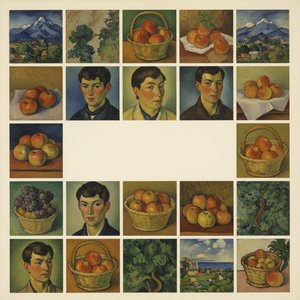
Откройте для себя 25 величайших шедевров Поля Сезанна! Узнайте истории создания картин импрессионизма и постимпрессионизма, технику художника и вдохновение для вашего интерьера. Репродукции картин Сезанна высокого качества на Most-Famous-Paintings.com.

Погрузитесь в мир Клода Моне! 25 шедевров импрессионизма, от "Водных лилий" до знаменитых пейзажей. Узнайте историю создания картин и вдохновитесь для декора интерьера. Репродукции музейного качества на Most-Famous-Paintings.com.
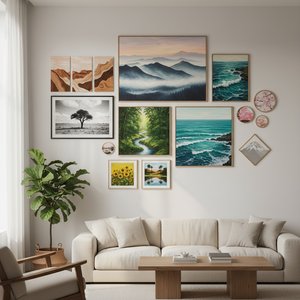
Погрузитесь в мир великих пейзажей! От Моне до Ван Гога – 10 шедевров, раскрывающих красоту природы. Узнайте историю создания и вдохновитесь для декора интерьера. Репродукции картин высокого качества на Most-Famous-Paintings.com
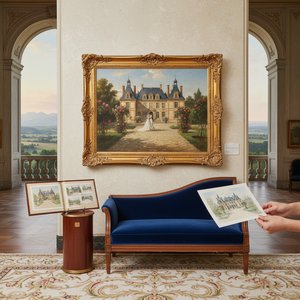
Закажите уникальную картину места вашей свадьбы у профессиональных художников! Сохраните воспоминания навсегда с – высокое качество, индивидуальный подход и быстрая доставка.

Погрузитесь в мир романтического пейзажа! 10 шедевров Фридриха, Тёрнера и других гениев. Узнайте историю создания культовых картин и вдохновитесь для декора интерьера. Репродукции высокого качества на Most-Famous-Paintings.com.


Будьте в курсе последних новостей из мира искусства, эксклюзивных предложений и идей для оформления интерьера.
Расскажите нам о вашем проекте, и наши эксперты по искусству предложат вам 3 персонализированных варианта произведений искусства.
Мы подберем для вас 3 варианта — бесплатно!


 Поделиться

 Читать далее







 Вариант со стеклом доступен только для размеров менее 110 см


