Продавайте свое искусство
Список желаний Корзина Cart
x
ПредпросмотрПредпросмотр Предпросмотр в ARПредпросмотр в AR Купить принт Купить принтКупить картину ручной работы Купить картину ручной работы ПоделитьсяПоделиться
Детали произведенияДетали произведения Добавить в избранное Добавить в избранное СкачатьСкачать Похожие работыПохожие работы РентгенографияРентгенография Слайд-шоуСлайд-шоу

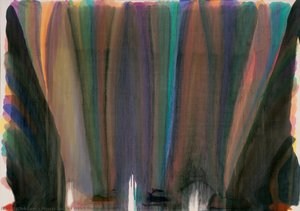
The Diaries

Thomas Peter Friedl Explore Thomas Peter Friedl's 'The Diaries,' a monumental installation featuring over 400 handwritten notebooks reflecting on art, history & philosophy—a provocative challenge to dominant narratives.

German media entrepreneur & film producer Peter Friedl distributes acclaimed films internationally. From Constantin Film to UFA Cinema, he shapes cinematic landscapes.

Приобретите цифровое изображение высокого разрешения в улучшенном качестве, которое значительно превосходит онлайн-превью.

Каждый файл тщательно подготавливается нашими специалистами с использованием передовых инструментов и экспертной ручной ретуши. Мы гарантируем исключительную четкость, точную цветопередачу и детальную проработку каждого изображения.

Финальный файл доставляется по электронной почте в течение 72 часов и оптимизирован для немедленного использования в профессиональной среде, при верстке и печати. Это тот же уровень качества, которому доверяют ведущие дизайнерские студии, издательства и галереи.

Цифровое изображение

Скачайте файл высокого разрешения для личного использования, печати и творческих проектов. (Купить принт Купить принтКупить картину ручной работы Купить картину ручной работы)

Итоговая стоимость

$ 24,90

Включено в каждый заказ цифровых изображений

Гарантия экспертной цифровой доставки

Выбирая Most-Famous-Paintings.com, вы получаете не просто изображение — вы приобретаете профессионально обработанное цифровое произведение искусства, созданное с безупречной точностью и под защитой гарантии качества. Вот всё, что автоматически входит в ваш заказ:

shipping_icon
Мгновенная доставка по e-mail

Ваш цифровой файл в высоком разрешении будет отправлен вам по электронной почте в течение 72 часов после оформления заказа — и сразу станет доступен для использования.

canvas_icon
Цифровой файл с ИИ-улучшением

Ваше произведение искусства проходит профессиональную оптимизацию с использованием передовых инструментов ИИ и ручной обработки, что гарантирует максимальную детализацию, четкость и точность цветопередачи.

insurance_icon
Бессрочная бесплатная повторная доставка

Случайно удалили или потеряли файл? Не беспокойтесь — мы отправим его вам повторно в любое время и совершенно бесплатно.

tax_icon
Без импортных пошлин — навсегда

Наслаждайтесь вашим произведением искусства мгновенно без таможенных пошлин, сборов или затрат на доставку — цифровые загрузки всегда не облагаются налогом.

color_icon
Гарантия точности цветопередачи

Мы гарантируем, что ваше цифровое изображение максимально точно передает оригинальные цвета благодаря использованию профессиональных инструментов и систем управления цветом.

return_icon
Гарантия удовлетворения в течение 60 дней

Если вы останетесь не удовлетворены покупкой цифрового изображения, мы внесем в него правки или вернем 100% стоимости в течение 60 дней — без лишних вопросов.

guarantee_icon
100% Гарантия возврата средств

Не удовлетворены покупкой? Мы гарантируем полный возврат средств в течение 60 дней после получения вашего цифрового файла — без лишних вопросов.

discount_icon
Скидки на оптовые заказы

Купите 3 изображения, сэкономьте 10% — Купите 5, сэкономьте 15% — Купите 10+, сэкономьте 20%. Отличное решение для творческих проектов, галерей и агентств.

Основные сведения

  • Notable elements or techniques: Houghed-out forms; Text and image interplay
  • Movement: Conceptual Art
  • Artist: Thomas Peter Friedl
  • Medium: Painting
  • Artistic style: Minimalism
  • Subject or theme: Ideological thinking; Historical power structures
  • Year: 2015

Тест по искусству

В каждом вопросе только один правильный ответ.

Вопрос 1:
What is the primary conceptual focus of Peter Friedl’s ‘The Diaries’?
Вопрос 2:
The series ‘Rehousing’ references which US Department program?
Вопрос 3:
How does Friedl’s use of hollowed-out forms contribute to his artistic vision?
Вопрос 4:
What is Edward Hopper primarily known for in terms of his artistic style?
Вопрос 5:
What is the overarching theme explored in Friedl’s ‘The Diaries’?

Описание коллекции

The Diaries: An Exploration of Form and Ideology

Peter Friedl’s *The Diaries* (2015) presents a deceptively simple image—a bookshelf crammed with books—yet it embodies a profound conceptual engagement with art history and the broader anxieties surrounding representation. Born in Munich, Austria, in 1967, Friedl is recognized for his ability to dissect formal conventions while simultaneously interrogating their ideological underpinnings. This artwork exemplifies his signature approach: layering hollowed-out forms against one another to disrupt established hierarchies of power and offering a counterpoint to the modernist project’s promises.

Conceptual Framework & Historical Context

Friedl draws inspiration from Mieke Bal's assertion that “nothing goes without saying,” prioritizing visual literacy as a crucial element in interpreting art. His work actively resists passive reception, prompting viewers to confront contradictions inherent within artistic endeavors and historical narratives. Specifically referencing the US Department of Housing and Urban Development’s American Homelessness Prevention and Rapid Re-Housing Program—a project designed to combat homelessness through financial assistance—Friedl utilizes the architectural scale model as a symbolic device. This model isn't merely a depiction of space; it represents a political stance, advocating for a future shaped by confronting societal inequities. The series underscores Friedl’s belief that art can serve as a catalyst for critical reflection and social change.

Stylistic Characteristics & Technique

The painting itself is characterized by its deliberate austerity. Presented without contextual framing—a conscious decision to isolate the bookshelf—the sculpture invites contemplation on the history of modernism. Friedl employs a technique rooted in meticulous observation, capturing the textures and variations of light across the books’ surfaces. The arrangement isn't random; it reflects Friedl’s interest in presenting disparate concepts within a unified visual form. This juxtaposition highlights the tension between seemingly incompatible ideas—a core element of Friedl’s artistic philosophy. The use of muted colors contributes to an atmosphere of quiet contemplation, mirroring the contemplative mood conveyed by the subject matter itself.

Symbolism & Emotional Resonance

The bookshelf serves as more than just a visual motif; it symbolizes knowledge, memory, and the accumulation of experience—themes central to Friedl’s oeuvre. The books themselves represent diverse voices and perspectives, reflecting the complexities of human history and intellectual discourse. By confronting viewers with this densely populated image, Friedl encourages them to engage in a dialogue about representation and its role in shaping our understanding of the world. Ultimately, *The Diaries* resonates with an emotional depth that transcends mere visual aesthetics—it speaks to the enduring human desire for connection and meaning amidst the uncertainties of contemporary life.

Concluding Remarks

Thomas Peter Friedl’s *The Diaries* stands as a testament to his unwavering commitment to artistic innovation and intellectual rigor. It exemplifies his ability to transform seemingly commonplace subjects into vehicles for profound philosophical inquiry, cementing his place among the most influential artists of our time. Its understated elegance and conceptual complexity continue to inspire admiration and provoke discussion within the art world.

Биография художника

Edward Hopper: A Portrait of American Solitude

Edward Hopper, born in Nyack, New York, on July 22, 1882, remains one of America’s most enduring and enigmatic figures in the art world. His paintings, characterized by their stark realism, evocative lighting, and poignant sense of isolation, have captivated audiences for over a century. While often categorized as an American realist, Hopper's work transcends simple representation; he meticulously crafted scenes that resonated with profound psychological depth, exploring themes of loneliness, urban alienation, and the quiet dramas of everyday life. His career, though initially slow to gain recognition, ultimately blossomed into a legacy defined by both critical acclaim and enduring popular appeal.

Early Life and Artistic Training

Hopper’s artistic journey began modestly, influenced significantly by his family's background and the encouragement he received from his parents. Born into a comfortable middle-class family with Dutch ancestry, Hopper initially pursued illustration as a means of supporting himself. However, a pivotal shift occurred when he enrolled in classes at the New York School of Art under the tutelage of William Merritt Chase and Robert Henri. These formative years proved transformative, moving him away from commercial illustration towards a more ambitious exploration of fine art. Chase instilled in him an appreciation for tonal values and careful observation, while Henri’s emphasis on depicting “the everyday conditions of their own world” ignited Hopper's passion for capturing the essence of American life. His classmates included notable artists like George Bellows and Rockwell Kent, creating a vibrant artistic environment that shaped his developing style. He spent time abroad in Paris during the early 1900s, absorbing influences from Impressionism and Post-Impressionism, particularly the work of Edgar Degas and Édouard Manet, whose techniques regarding composition and depiction of modern urban life would later inform his own approach.

The Development of a Distinctive Style

Hopper’s artistic style evolved gradually over several decades, yet consistently retained key elements that define his unique vision. He masterfully employed light and shadow to create mood and atmosphere, often using stark contrasts to heighten the sense of isolation in his scenes. His compositions frequently featured cropped perspectives, drawing viewers into the scene while simultaneously emphasizing its contained nature. Hopper’s subjects—often solitary figures in urban or rural settings—were rendered with a remarkable degree of detail, yet imbued with an underlying feeling of melancholy and introspection. He avoided overt sentimentality, instead presenting his subjects as witnesses to their own experiences, inviting viewers to contemplate the unspoken narratives within each image. The influence of Henri’s emphasis on depicting “real life” is evident in Hopper's choice of subject matter – ordinary people engaged in routine activities—but he imbued these scenes with a distinctly modern sensibility, reflecting the anxieties and uncertainties of early 20th-century America.

Iconic Works and Major Themes

Hopper’s oeuvre is punctuated by several iconic works that have become synonymous with his artistic vision. *Nighthawks* (1942), perhaps his most famous painting, captures the unsettling stillness of a late-night diner scene in Greenwich Village, embodying themes of loneliness and urban alienation. *Gas Station* (1927) similarly explores the isolation of the American landscape, depicting a lone attendant tending to an empty station under a vast, indifferent sky. Other notable works include *Automat* (1927), which portrays a solitary diner patron lost in thought; *Chop Suey* (1929), a depiction of a Chinese restaurant scene that subtly critiques American cultural assimilation; and *Office in a Small City* (1953), a poignant image of an empty office building, symbolizing the anonymity of modern urban life. Throughout his career, Hopper consistently returned to recurring motifs—shadows, windows, trains, and solitary figures—creating a visual language that resonated with both familiarity and profound emotional resonance.

Legacy and Historical Significance

Edward Hopper’s impact on American art is undeniable. Initially met with mixed reviews, his work gained increasing recognition throughout the mid-20th century, solidifying his place as one of America's most important artists. His paintings continue to be exhibited in major museums worldwide and are deeply ingrained in popular culture, frequently referenced in literature, film, and television. Hopper’s ability to capture the essence of American experience—its beauty, its loneliness, and its inherent contradictions—has ensured his enduring relevance. He offered a uniquely perceptive portrait of a nation grappling with modernity, leaving behind a body of work that continues to provoke thought, inspire contemplation, and resonate deeply with viewers across generations. Hopper died on May 15, 1967, leaving behind a legacy as a master of American realism and a profound observer of the human condition.
thomas peter friedl

thomas peter friedl

1967 - , Germany

Основные сведения

  • Artistic Movement Or Style: Realism, American Realism
  • Artists Or Movements Influenced By This Artist:
    • Edgar Degas
    • Édouard Manet
  • Artists Who Influenced This Artist:
    • William Merritt Chase
    • Robert Henri
  • Date Of Birth: July 22, 1882
  • Date Of Death: May 15, 1967
  • Full Name: Edward Hopper
  • Nationality: American
  • Notable Artworks:
    • Nighthawks
    • Automat
    • Chop Suey
  • Place Of Birth: Nyack, New York, USA