


x


 Preview
 Заказать репродукцию Купить цифровое изображение
 Поделиться
 Детали произведения
 Добавить в избранное
 Скачать
 Похожие работы
 Рентгенография
 Слайд-шоу
Печать (жикле) или холст музейного качества с быстрыми сроками изготовления и широким выбором вариантов отделки.





























Выберите один из наших стандартных размеров, соответствующих оригинальным пропорциям произведения искусства.

Вы можете указать свои собственные размеры, чтобы репродукция идеально подошла под конкретную раму или пространство. Если выбранный вами размер не будет соответствовать пропорциям оригинала, мы либо обрежем произведение, либо дополним изображение зеркальным отражением краев или однотонной заливкой. Перед началом производства вам будет отправлен цифровой макет для утверждения.
Пожалуйста, обратите внимание, что предварительный просмотр на экране не отображает фактическую обрезку или расширение изображения. Только макет точно покажет финальную композицию.
Несмотря на возможность заказа индивидуальных размеров, мы рекомендуем выбирать размер из предопределенного списка, чтобы сохранить оригинальные пропорции.
Доставка по всему миру () за 2 недели вместо стандартных 4/5 недель. (26 Июль)


Abstract Composition 17
Размер репродукции
Victor Vasarely's "Abstract Composition 17" is more than just an image; it’s an invitation to experience the world anew. Born in 1906 in Pécs, Croatia – then part of Austria-Hungary – Vasarely’s life was a deliberate pursuit of visual harmony, beginning with a surprising detour from medical studies into the realm of art. His early training at the Podolini-Volkmann Academy and, crucially, Sándor Bortnyik's “Műhely” workshop, profoundly shaped his approach, immersing him in the principles of functional design and geometric abstraction championed by the Bauhaus movement. This confluence of influences ultimately led to his groundbreaking contribution to Op Art – Optical Art – a style dedicated to manipulating perception through carefully constructed visual illusions.
This striking black-and-white composition exemplifies Vasarely’s mastery of Op Art. The artwork is dominated by an intricate network of interlocking lines, squares, and rectangles, meticulously arranged to create a dynamic sense of movement and depth. It's a deliberate rejection of traditional representational art; the focus isn't on depicting a recognizable scene but rather on exploring the very nature of visual perception. Vasarely’s technique involved precise execution – oil paint applied with exacting control onto canvas – to achieve this remarkable effect. The high contrast between black and white amplifies these optical effects, drawing the viewer into a captivating dance of shifting forms.
Emerging in the 1960s, Op Art represented a significant shift in artistic thinking. Artists like Vasarely sought to harness scientific principles – particularly those related to optics and visual perception – to create artwork that actively engaged the viewer’s eye. This wasn't simply about creating pretty patterns; it was an intellectual exploration of how our brains interpret visual information. The movement coincided with a broader cultural fascination with technology and its impact on human experience, reflecting a desire to understand and manipulate the world around us through new artistic means.
"Abstract Composition 17" possesses a profound symbolic resonance despite its lack of overt subject matter. The geometric forms – squares, rectangles, lines – can be interpreted as representing fundamental building blocks of reality, suggesting an underlying order within apparent chaos. The artwork’s ability to generate movement and vibration taps into primal human responses, evoking feelings of excitement, dynamism, and even a subtle sense of unease. It's a piece that demands attention, prompting the viewer to actively participate in its creation – to become part of the illusion itself.

1906 - 1997 , Россия

Explore the revolutionary world of Victor Vasarely, father of Op Art. Discover his geometric masterpieces, artistic system, & lasting impact on modern design. A guide for discerning art collectors.

Погрузитесь в мир минимализма! 10 шедевров от Ротко, Кандинского и других гениев. Узнайте историю создания культовых картин и найдите идеальную репродукцию для вашего интерьера на Most-Famous-Paintings.com.
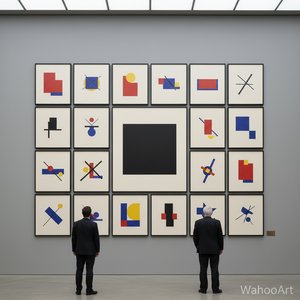
Погрузитесь в мир супрематизма с Казимиром Малевичем! 25 культовых картин, история создания и значение. Репродукции высокого качества для вашего интерьера на Most-Famous-Paintings.com. Откройте всю коллекцию онлайн!
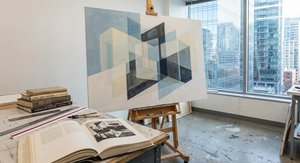
Explore the captivating world of geometric abstraction! Discover its origins, key artists like Malevich & Mondrian, and why this movement remains highly valued by art collectors today. Expert insights at Most-Famous-Paintings.
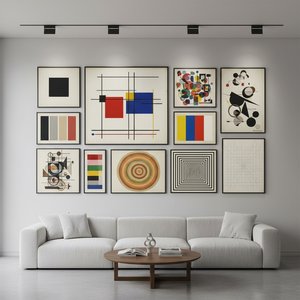
Погрузитесь в мир геометрической абстракции! От Кандинского до Малевича – 10 шедевров, изменивших искусство. Узнайте историю создания и значение культовых картин. Репродукции музейного качества на Most-Famous-Paintings.com. Вдохновение для вашего интерьера!


Будьте в курсе последних новостей из мира искусства, эксклюзивных предложений и идей для оформления интерьера.
Расскажите нам о вашем проекте, и наши эксперты по искусству предложат вам 3 персонализированных варианта произведений искусства.
Мы подберем для вас 3 варианта — бесплатно!


 Поделиться


 Читать далее







 Вариант со стеклом доступен только для размеров менее 110 см


