x

 Oil On CanvasWallArtBaroque
 1621
1621 80.0 x 65.0 cm
 Rijksmuseum
Kúpte si digitálnu snímku vo vysokom rozlíšení s vylepšenými detailmi, ktorá je oveľa kvalitnejšia než online náhľad.
Každý súbor starostlivo pripravujú naši interní špecialisti pomocou pokročilých nástrojov a odborného manuálneho retušovania. Zabezpečujeme, aby každý obrázok disponoval výnimočnou čistotou, presnou farebnou vernosťou a jemnými detailmi.
Konečný súbor vám bude doručený e-mailom do 72 hodín, optimalizovaný pre okamžité použitie v profesionálnom, redakčnom aj tlačovom prostredí. Ide o rovnakú kvalitu, ktorej dôverajú špičkové dizajnérske štúdiá, vydavateľstvá a galérie.
Stiahnite si vysokorozlíšený súbor na osobné zobrazovanie, tlačenie a kreatívne projekty. ( Kúpiť tlač Kúpiť ručne maľovaný obraz)
Keď si vyberiete Most-Famous-Paintings.com, nedostávate len obrázok – získate profesionálne upravené digitálne umenie, vytvorené s precíznosťou a so zárukou vašej maximálnej spokojnosti. Tu je všetko, čo je súčasťou vašej objednávky automaticky:

Vaša vysokorozlíšená digitálna súprava obrázkov vám bude zaslaná e-mailom do 72 hodín od objednávky – pripravená na okamžité použitie.

Vaše dielo je profesionálne optimalizované pomocou pokročilých nástrojov umelej inteligencie a manuálnej editácie, čo zaručuje maximálnu úroveň detailov, čistotu a presnosť farieb.

Náhodou ste zmazali alebo ste stratili svoj súbor? Nebavžte sa – pošleme vám ho kedykoľvek znova, úplne bez poplatkov.

Užite si svoje umelodelo okamžite bez colných poplatkov, daní alebo nákladov na dopravu – digitálne stiahnutia sú vždy oslobodené od dane.

Pomocou profesionálnych nástrojov a farebného manažmentu zabezpečujeme, aby vaša digitálna fotografia čo najpresnejšie odrážala pôvodné farby.

Ak nebudete spokojní so svojou digitálnou fotografiou, upravíme ju alebo vám vrátime 100% v priebehu 60 dní – bez zbytočných otázok.

Nie ste spokojní? Získajte plnú náhradu peňazí do 60 dní od prijatia vášho digitálneho súboru – bez zbytočných otázok.

Kúpte si 3 obrazy, ušetrite 10% - Kúpte si 5, ušetrite 15% - Kúpte si 10+, ušetrite 20%. Ideálne pre kreatívne projekty, galérie a agentúry.
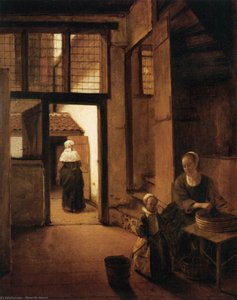
Abraham de Vries’s 1621 “Self-Portrait” is more than just a likeness; it's a meticulously crafted window into the intellectual and artistic currents of the Dutch Golden Age. Painted during a period of unprecedented prosperity and burgeoning self-awareness, this work embodies the era’s fascination with portraiture as both a formal exercise in skill and a profound exploration of individual identity. De Vries, a peripatetic artist who traversed Europe, masterfully blended influences from Flemish dynamism with the emerging realism of his native Netherlands, creating a compelling synthesis that speaks to his own restless artistic spirit.
The painting immediately draws the eye with its dramatic chiaroscuro lighting – a technique borrowed heavily from Caravaggio and Rembrandt. Deep shadows envelop much of the figure’s form, emphasizing the textures of his clothing and the subtle contours of his face. This masterful use of light not only creates a sense of depth and volume but also imbues the portrait with an air of solemnity and introspection. The artist himself is depicted in a three-quarter pose, a common convention at the time, yet de Vries avoids mere replication; he presents a carefully constructed image of scholarly sophistication.
The details of the portrait are laden with symbolic significance. De Vries is clad in an elaborate, dark robe adorned with intricate embroidery – a clear indication of his status and wealth. The voluminous sleeves and high collar, reminiscent of Renaissance attire, speak to his intellectual pursuits and connection to humanist learning. Notably, he holds a quill pen and several open books, suggesting his role as a learned man, perhaps a scholar or even an artist deeply engaged in the study of art and its principles. The inclusion of musical instruments – a lute and a recorder – further reinforces this association with intellect and refinement; music was considered a liberal art during this period.
The background is deliberately muted, a dark brown that serves to isolate the subject and draw attention to his features. This simplicity allows the viewer to focus entirely on de Vries’s face, which is rendered with remarkable precision and psychological insight. His gaze is direct and slightly melancholic, hinting at the complexities of the artist's life and perhaps reflecting upon his own artistic journey.
The painting is executed in oil on canvas, a medium that allowed for the rich textures and subtle gradations of tone characteristic of de Vries’s style. The brushwork is smooth and controlled, demonstrating a mastery of technique honed through years of practice. While undeniably influenced by the Flemish tradition – particularly the dramatic lighting and attention to detail evident in works by artists like Anthony van Dyck – de Vries also incorporates elements of Dutch realism, notably in his depiction of the subject’s face and hands. The subtle modeling of the skin, the delicate rendering of the wrinkles around his eyes, and the careful observation of anatomical details all testify to his skill as a portraitist.
Abraham de Vries's “Self-Portrait” stands as a testament to the artistic achievements of the Dutch Golden Age. It’s a work that invites contemplation, not just for its technical brilliance but also for its profound exploration of human identity and the complexities of self-representation. The painting’s enduring appeal lies in its ability to connect us with a specific moment in art history while simultaneously offering a timeless reflection on the nature of portraiture itself. It serves as a reminder that a portrait is not merely a likeness, but a carefully constructed narrative—a glimpse into the soul of the artist and the world he inhabited.


1590 - 1662 , Holandsko


Zostaňte v obraze s najnovšími správami zo sveta umenia, exkluzívnymi ponukami a nápormi na dekoráciu.
Povedzte nám o svojom projekte a naši odborníci na umenie vám pripravia 3 personalizované návrhy umeleckých diel.
Nechajte si od nás vybrať 3 možnosti priamo pre vás – zadarmo!


 Náhľad
 Odoslať
 Zdieľať
 Podrobnosti o dielo

 Stiahnuť
 Podobné diela
 RTG skúška
 Prezentácia
 Zobraziť viac