x

 1890
1890 150.0 x 200.0 cm
 Galéria moderného umenia
Ručne maľovaný olej na plátne vo vašej zvolenej veľkosti a v ráme, vyrobený na mieru našimi umelcami. ( Kúpiť tlač Kúpiť obrázok)
Vyberte si z našich preddefinovaných rozmerov, ktoré zodpovedajú pôvodným pomeroḿ diela.

Môžete zadať vlastné rozmery tak, aby sa hodili do konkrétneho rámu alebo priestoru. Ak sa váš zvolený rozmer nezhoduje s pôvodnými proporciami obrazu, dielo buď orezáme, alebo ho doplníme ručne maľovanými prvkami. Pred začiatkom výroby vám zašleme digitálny náhľad na schválenie.
Upozorňujeme, že ukážka na obrazovke neodráža skutočné orezanie alebo doplnenie. Skutočnú finálnu kompozíciu zobrazuje iba digitálny náhľad.
Hoci sú k dispozícii vlastné rozmery, odporúčame vybrať rozmer z preddefinovaného zoznamu, aby sme zachovali pôvodné proporcie.
Celosvetová doprava () za 3 až 4 týždne namiesto štandardných 5 týždňov. (14 august). Bez kompromisov v kvalite.


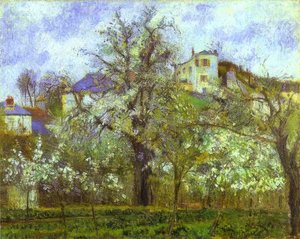
Spring
Veľkosť reprodukcie

Adolfo Tommasi, born in Livorno in 1851, emerged as a prominent figure in Italian painting during the late nineteenth century. His artistic journey was marked by a fascination with capturing the essence of Tuscany’s landscapes and rural life—a pursuit that cemented his reputation as one of the foremost practitioners of Tuscan Impressionism.
Tommasi's formative years were spent in Livorno, where he honed his artistic skills under the tutelage of Silvestro Lega, a celebrated Florentine painter who instilled in him a profound appreciation for plein air painting—working directly from nature. Lega’s influence extended beyond technique; it fostered a belief in observing and portraying the world with honesty and sensitivity. Tommasi also briefly studied at Carlo Markò the Younger's academy, though he quickly recognized that academic conventions didn’t align with his artistic vision.
Tommasi’s breakthrough came in 1880 with “Dopo la brinata” (“After the Frost”), a controversial yet undeniably impactful painting depicting a cabbage field ravaged by frost. The artwork sparked considerable debate amongst critics and fellow artists, primarily due to its unflinching portrayal of agricultural hardship. However, it also garnered significant acclaim from luminaries like Signorini and Giovanni Pascoli, who lauded Tommasi’s ability to convey emotion and atmosphere with remarkable precision.
Throughout his career, Tommasi produced numerous landscapes and genre scenes that exemplify the Tuscan Impressionist style. His paintings captured the subtle nuances of light and color—a hallmark of this movement—and conveyed a deep connection to the rural environment. Key achievements included:
Tommasi’s unwavering commitment to naturalistic observation profoundly shaped the trajectory of Tuscan painting. He championed plein air painting—a technique that prioritized direct engagement with the subject matter—and skillfully employed pastel and oil paints to achieve luminous effects and textural richness. His legacy continues to inspire artists today who strive to capture the beauty and complexity of the natural world with authenticity and empathy.
Furthermore, his work served as an important catalyst for discussions about artistic representation and social commentary. “Dopo la brinata,” in particular, challenged conventional aesthetic standards and prompted critical reflection on the realities faced by rural communities.

1851 - 1933


Zostaňte v obraze s najnovšími správami zo sveta umenia, exkluzívnymi ponukami a nápormi na dekoráciu.
Povedzte nám o svojom projekte a naši odborníci na umenie vám pripravia 3 personalizované návrhy umeleckých diel.
Nechajte si od nás vybrať 3 možnosti priamo pre vás – zadarmo!


 Náhľad
 Odoslať
 Zdieľať
 Podrobnosti o dielo

 Stiahnuť
 Podobné diela
 RTG skúška
 Prezentácia
 Zobraziť viac




































 Možnosť skla je dostupná len pri rozmeroch pod 110 cm