


x


Giclée tlač alebo plátno múzeálnej kvality s rýchlou výrobou a flexibilnými možnosťami povrchovej úpravy. ( Prejsť na ručne maľovanú reprodukciu Prepnúť na obrázok)





























Vyberte si z našich preddefinovaných rozmerov, ktoré zodpovedajú pôvodným pomeroḿ diela.

Môžete zadať vlastné rozmery, aby sa reprodukcia prispôsobila konkrétnemu rámu alebo priestoru. Ak zvolená veľkosť nebude zodpovedať proporciám originálu, dielo buď orežeme, alebo obraz rozšírime pomocou zrkadlenia či farebného doplnenia okrajov. Pred začatím výroby vám pošleme digitálnu ukážku na schválenie.
Máte na vedomí, že náhľad na obrazovke neodzrkadľuje skutočné orezanie alebo rozšírenie. Len digitálna ukážka presne zobrazí finálnu kompozíciu.
Hoci sú k dispozícii vlastné rozmery, pre zachovanie pôvodných proporcií odporúčame vybrať si rozmer z vopred definovaného zoznamu.
Celosvetová doprava () do 2 týždňov namiesto štandardných 4/5 týždňov. (31 júl)


The Last Judgment
Veľkosť reprodukcie

In the vibrant, turbulent landscape of late 16th-century Italy, few names resonated with as much prolific energy as Camillo Procaccini. Often bestowed with the evocative title, “The Vasari of Lombardy,” Procaccini was far more than a mere chronicler or decorator; he was a master of narrative drama who breathed life into the stone and plaster of the Counter-Reformation era. Born in Bologna in 1561, his very existence was woven into the fabric of an artistic dynasty. As the son of Ercole Procaccini the Elder and the elder brother to accomplished painters Giulio Cesare and Carlo Antonio, Camillo emerged from a Bolognese atelier where classical principles were already being reimagined through the lens of Mannerist innovation.
His early development was shaped by a profound dialogue with the masters who preceded him. While his roots lay in the disciplined traditions of Bologna, his artistic soul wandered through the works of Correggio and Parmigianino, absorbing their soft textures and elongated elegance. A pivotal moment in his journey involved study trips to Parma and Rome, where the monumental frescoes of Michelangelo and the harmonious compositions of Raphael left an indelible mark on his psyche. These encounters allowed him to synthesize a style that could balance the complex, often artificial grace of Mannerism with a burgeoning sense of emotional weight and clarity—a necessity for the religious fervor sweeping through Italy at the time.
The year 1587 marked a transformative epoch in Procaccini’s career when he relocated to Milan. This move was not merely a change of scenery but an ascent into the highest echelons of European patronage. Under the watchful eye of influential figures like Count Camillo Visconti Borromeo, Procaccini began to transform the architectural spaces of Lombardy into celestial theaters. His work at the Lainate Villa showcased his burgeoning mastery of spatial illusion, where painted figures seemed to break free from their two-dimensional confines to interact with the viewer.
His influence soon permeated the most sacred institutions of the region. The Cathedral of Milan, or Duomo, became a primary stage for his genius. Whether executing the intricate organ shutters or painting profound altarpieces such as The Martyrdom of Saint Agnes, Procaccini utilized light and shadow to communicate the intense piety demanded by the Catholic Church. His ability to weave complex theological narratives into accessible, visually arresting compositions made him an indispensable tool for the dissemination of dogma. This period of his life was characterized by a relentless productivity that saw him collaborating with contemporaries like Giuseppe Meda and Ambrogio Figino, creating a unified aesthetic of splendor across Milanese churches.
As his career progressed, Procaccini’s reach extended far beyond the borders of Lombardy, touching the artistic circles of Venice, Genoa, and even the Swiss Canton Ticino. His legacy is not found merely in individual canvases, but in the very atmosphere of the spaces he adorned. To walk through a church decorated by Procaccini is to experience the transition from the stylized tension of Mannerism toward the more emotive, dramatic precursors of the Baroque.
The enduring significance of his work lies in several key artistic contributions:
Though time has weathered many of his frescoes, the spirit of Camillo Procaccini remains etched in the history of Italian art. He stands as a bridge between eras, a painter who captured the shifting religious and aesthetic tides of his century with unparalleled vigor and grace.

1561 - 1629 , Italy

Explore the Italian Renaissance! Discover humanist ideals, iconic masterpieces by Leonardo, Michelangelo & Raphael, and lasting artistic innovations. A comprehensive guide for art enthusiasts.
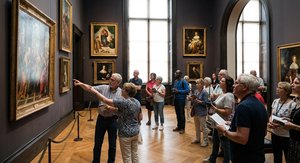
Objavte 25 ikonických majstrovských diel z Alte Pinakothek v Mníchove! Prežite príbehy Dürera, Rembrandta a ďalších renesančných a barokových umelcov. Reprodukcie obrazov pre váš domov na Most-Famous-Paintings.com – luxusné dekorácie a múzejná kvalita.
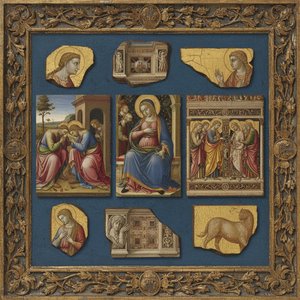
Objavte 10 majstrovských diel protorenesancie – Giotto, Cimabue a ďalší. Ponorte sa do príbehov umenia, techník a farieb talianskej renesancie. Reprodukcie obrazov pre váš interiér na Most-Famous-Paintings.com.

Explore the revolutionary art of Antonio da Correggio, a master of Renaissance illusionism and chiaroscuro. Discover his frescoes, mythological paintings & lasting influence on Baroque art. Expert analysis & key works featured.
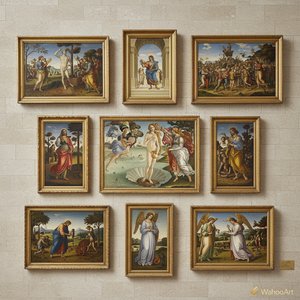
Objavte top 10 majstrovských diel rannej renesancie – Botticelli, Leonardo da Vinci a ďalší. Prežite príbehy umenia, techniky a nadčasnú krásu. Reprodukcie obrazov pre váš domov na Most-Famous-Paintings.com.


Zostaňte v obraze s najnovšími správami zo sveta umenia, exkluzívnymi ponukami a nápormi na dekoráciu.
Povedzte nám o svojom projekte a naši odborníci na umenie vám pripravia 3 personalizované návrhy umeleckých diel.
Nechajte si od nás vybrať 3 možnosti priamo pre vás – zadarmo!


 Náhľad
 Odoslať
 Zdieľať
 Podrobnosti o dielo

 Stiahnuť
 Podobné diela
 RTG skúška
 Prezentácia


 Zobraziť viac







 Možnosť skla je dostupná len pri rozmeroch pod 110 cm


