


x


 Objednať reprodukciu Kúpiť digitálnu verziu
 Odoslať
 Podrobnosti o dielo
 Pridať do obľúbených
 Stiahnuť
 Podobné diela
 RTG skúška
 Prezentácia
 Acrylic On CanvasWallArtCubist Abstraction
 1921
1921 35.0 x 50.0 cm
 Ashmolean Museum
Giclée tlač alebo plátno múzeálnej kvality s rýchlou výrobou a flexibilnými možnosťami povrchovej úpravy.





























Vyberte si z našich preddefinovaných rozmerov, ktoré zodpovedajú pôvodným pomeroḿ diela.

Môžete zadať vlastné rozmery, aby sa reprodukcia prispôsobila konkrétnemu rámu alebo priestoru. Ak zvolená veľkosť nebude zodpovedať proporciám originálu, dielo buď orežeme, alebo obraz rozšírime pomocou zrkadlenia či farebného doplnenia okrajov. Pred začatím výroby vám pošleme digitálnu ukážku na schválenie.
Máte na vedomí, že náhľad na obrazovke neodzrkadľuje skutočné orezanie alebo rozšírenie. Len digitálna ukážka presne zobrazí finálnu kompozíciu.
Hoci sú k dispozícii vlastné rozmery, pre zachovanie pôvodných proporcií odporúčame vybrať si rozmer z vopred definovaného zoznamu.
Celosvetová doprava () do 2 týždňov namiesto štandardných 4/5 týždňov. (22 júl)


Circus (Abstract Composition)
Veľkosť reprodukcie
David Bomberg's "Circus (Abstract Composition)," painted in 1921, isn’t merely a depiction of a traveling show; it’s an explosion of energy, emotion, and the restless spirit of early modernism. This vibrant canvas, now housed at the Ashmolean Museum in Oxford, captures a fleeting moment within a chaotic yet strangely ordered spectacle – a testament to Bomberg's unique ability to distill complex experience into powerful visual form. The painting immediately assaults the senses with its bold palette: assertive blues and reds clash dynamically against yellows and whites, creating an atmosphere of both excitement and underlying tension.
Bomberg’s style during this period was deeply influenced by the avant-garde movements sweeping through Europe. He absorbed the geometric abstraction of Cubism – evident in the fragmented forms suggesting figures and structures – while simultaneously embracing the dynamism and expressive power of Futurism, particularly its fascination with movement and speed. The painting's composition isn’t static; it feels like a captured rush, a snapshot of a scene perpetually in motion. Notice how the figures are reduced to angular shapes, almost dissolving into the swirling colors, mirroring the fragmented reality presented by Cubist principles.
Born in Birmingham in 1890, David Bomberg’s early life was shaped by his Polish-Jewish heritage and a challenging upbringing. He initially trained as a lithographer but quickly gravitated towards painting, finding himself drawn to the radical artistic currents of the time. He became part of the “Whitechapel Boys,” a group of East End artists who pushed against established conventions and experimented with new forms of expression. This group, including Mark Gertler and Stanley Spencer, formed a vital network of support and influence during a period of significant social and political upheaval in Britain.
Bomberg’s artistic journey was marked by experimentation and controversy. His early work, particularly his engagement with Cubism and Futurism, drew criticism from some quarters who viewed these movements as overly abstract or even decadent. However, Bomberg remained steadfast in his pursuit of a new visual language, reflecting the anxieties and aspirations of a rapidly changing world. His expulsion from the Slade School of Art in 1913, due to his perceived disregard for traditional artistic methods, further solidified his position as an outsider artist challenging established norms.
While seemingly abstract, “Circus” is rich with symbolic potential. The figures themselves – a jumble of shapes suggesting people and animals – represent not individual portraits but rather archetypal elements of the circus experience: performers, spectators, and the spectacle itself. The swirling colors aren’t simply decorative; they convey a sense of disorientation, excitement, and perhaps even underlying unease. The dominant blues could symbolize both the vastness of the sky and the melancholy associated with transient experiences.
Consider the elephant in the center of the composition. It's not rendered realistically but rather as a powerful, simplified form – a symbol of strength, memory, and perhaps even the weight of tradition. The overall effect is one of controlled chaos, inviting the viewer to contemplate the complexities of human experience within a world of illusion and spectacle. Bomberg masterfully uses color and form to evoke a visceral response, capturing not just what he saw but also how he *felt* about it.
“Circus (Abstract Composition)” stands as a pivotal work in David Bomberg’s oeuvre and a significant example of early British abstraction. It demonstrates his willingness to embrace radical experimentation, blending influences from Cubism, Futurism, and his own unique artistic vision. His exploration of form, color, and emotion paved the way for subsequent generations of artists, solidifying his place as a key figure in the development of modern art in Britain. Reproductions of this dynamic painting continue to resonate with viewers today, offering a glimpse into the turbulent yet exhilarating world of early 20th-century artistic innovation.

Ako syn polsko-židovských imigrantov, Abrahama a Rebeky Bombergovej, začal svoju cestu študovaním na City and Guilds Technical Art School, predtým než si v Birminghamu odpracoval remeslo litografa.
Svoju umeleckú dráhu formoval pod vedením Waltera Sickerta na Westminster School of Art (1908–1910), pričom bol hlboko ovplyvnený Sickertovým zameraním na tvary a mestský život. Kľúčovým momentom bola jeho konfrontácia s dielom Paula Cézanneho prostredníctvom výstavy Rogera Fryho „Manet a postimpresionisti“ v roku 1910. Neskôr navštívil Slade School of Art (1911), kde získal prestížnu cenu Tonks Prize za svoj portrét spolužiaka Isaaca Rosenberga.
Z experiences ako prostého vojniaka počas prvej svetovej vojny zásadne ovplyvnili jeho umeleckú víziu, čo viedlo k postupnému odklonu od abstrakcie.
20. roky priniesli Bombergovi prijatie figuratívnejšieho štýlu, pričom sa sústredil na portréty a krajiny čerpané priamo z prírody. Rozvinul si čoraz expresívnejšiu techniku, vyznačujúcu sa textúrovaným impastom a silnou emocionálnou intenzitou.
Rozsáhle cestovanie Bliským východom (najmä Palestínou) a Európou zásadne ovplyvnilo jeho neskoršie dielo. Jeho zachytenia Jeruzalema patria k jeho najvýznamnejším prínosom.

1890 - 1957 , United Kingdom

Explore the groundbreaking work of David Bomberg, a pivotal figure in British abstraction. Discover his artistic evolution, influences, and lasting legacy through insightful analysis & expert commentary.

Explore Orphism, the vibrant abstract art movement pioneered by Robert & Sonia Delaunay. Discover its unique color theory, lasting influence on modern art, and how to bring this 'symphony of color' into your home with Most-Famous-Paintings.

Explore the captivating world of 1920s art! Discover Art Deco's glamour, Modernism’s impact & iconic artists like Tamara de Lempicka. Museum-quality reproductions at Most-Famous-Paintings.

Explore the life & work of Jean Metzinger, a pivotal Cubist painter and theorist. Discover his innovations in proto-Cubism, 'Du Cubisme,' and Crystal Cubism – a journey through modern art's evolution.
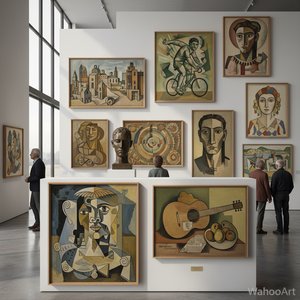
Objavte 10 majstrovských diel kubizmu od Picassa, Braquea a ďalších. História umenia, techniky a inšpirácia pre váš interiér. Reprodukcie obrazov v múzejnej kvalite na Most-Famous-Paintings.com.


Zostaňte v obraze s najnovšími správami zo sveta umenia, exkluzívnymi ponukami a nápormi na dekoráciu.
Povedzte nám o svojom projekte a naši odborníci na umenie vám pripravia 3 personalizované návrhy umeleckých diel.
Nechajte si od nás vybrať 3 možnosti priamo pre vás – zadarmo!


 Zdieľať

 Zobraziť viac







 Možnosť skla je dostupná len pri rozmeroch pod 110 cm


