


x

 Acrylic On CanvasWallArtSocial Realism
 1918
1918 27.0 x 20.0 cm
 Museo Dolores Olmedo
Ručne maľovaný olej na plátne vo vašej zvolenej veľkosti a v ráme, vyrobený na mieru našimi umelcami. ( Kúpiť tlač Kúpiť obrázok)





























Vyberte si z našich preddefinovaných rozmerov, ktoré zodpovedajú pôvodným pomeroḿ diela.

Môžete zadať vlastné rozmery tak, aby sa hodili do konkrétneho rámu alebo priestoru. Ak sa váš zvolený rozmer nezhoduje s pôvodnými proporciami obrazu, dielo buď orezáme, alebo ho doplníme ručne maľovanými prvkami. Pred začiatkom výroby vám zašleme digitálny náhľad na schválenie.
Upozorňujeme, že ukážka na obrazovke neodráža skutočné orezanie alebo doplnenie. Skutočnú finálnu kompozíciu zobrazuje iba digitálny náhľad.
Hoci sú k dispozícii vlastné rozmery, odporúčame vybrať rozmer z preddefinovaného zoznamu, aby sme zachovali pôvodné proporcie.
Celosvetová doprava () za 3 až 4 týždne namiesto štandardných 5 týždňov. (15 august). Bez kompromisov v kvalite.


Sketch for The Mathematician
Veľkosť reprodukcie
Diego Rivera's "Sketch for The Mathematician," painted in 1918, is more than just a portrait; it’s a carefully constructed tableau of intellect and quiet contemplation. This intimate study, now housed within the esteemed Museo Dolores Olmedo in Mexico City, offers a rare glimpse into the artist’s process and his profound engagement with the intellectual currents of the early 20th century. The work immediately draws the eye to its central figure – a man seated in a simple chair, bathed in soft light, deeply absorbed in thought. He is not dramatically posed or overtly heroic; rather, he embodies a subtle dignity born from focused concentration.
Rivera’s style at this period leans heavily into Social Realism, a movement he would later define and champion. Here, however, it's tempered with an almost delicate precision in the rendering of form and texture. The sketch itself—executed primarily in ink on paper—suggests a preliminary study for a larger work, yet possesses a remarkable immediacy and emotional resonance. Notice the loose, expressive lines that capture the sitter’s posture and the subtle nuances of his expression – a hint of melancholy mixed with an undeniable sense of intellectual curiosity. The use of light is particularly masterful; it illuminates the man's face, highlighting the wrinkles around his eyes and mouth, hinting at years spent in rigorous thought, while casting shadows that deepen the mood of introspection.
Beyond the immediate depiction of a scholar, “Sketch for The Mathematician” is rich with symbolic elements. The man’s attire – a simple shirt and trousers – speaks to his dedication to intellectual pursuits over material possessions. The presence of several circles scattered throughout the composition could represent mathematical concepts or philosophical ideas—a visual echo of the world he inhabits within his mind. Crucially, the clocks in the background are not merely decorative; they subtly underscore the passage of time and the relentless pursuit of knowledge. They serve as a reminder that intellectual exploration is an ongoing process, demanding sustained effort and unwavering dedication.
The chair itself—positioned between the man and his unseen work—represents a space for reflection and contemplation. It’s a stage upon which he performs his mental calculations, a sanctuary where ideas take shape. The absence of any other figures emphasizes the solitary nature of intellectual labor – a process often undertaken in quiet solitude.
Painted during a period of significant social and political upheaval in Mexico—marked by the Mexican Revolution and the rise of nationalist sentiment—Rivera’s work reflects this dynamic environment. He was deeply committed to using art as a tool for social commentary, exploring themes of identity, labor, and revolution. “Sketch for The Mathematician,” however, stands apart from his later monumental murals in its intimate scale and focused subject matter. It represents an early exploration of portraiture, demonstrating Rivera’s nascent talent for capturing the psychological depth of his subjects.
This sketch is a pivotal piece in understanding Rivera's artistic evolution. It showcases his developing mastery of line and form, foreshadowing the bold compositions and vibrant colors that would characterize his later masterpieces. Studying this work provides valuable insight into the artist’s formative years and his evolving artistic vision.
“Sketch for The Mathematician” is a profoundly moving portrait—a testament to the enduring power of intellect, contemplation, and the quiet dignity of scholarly pursuits. It's not merely a depiction of a man; it’s an evocation of a state of mind – one characterized by curiosity, dedication, and a deep engagement with the mysteries of the universe. Its understated elegance and subtle symbolism continue to resonate with viewers today, cementing its place as a significant work within Rivera’s oeuvre and a poignant reflection on the human condition.

Diego Rivera, narodil sa 8. decembra 1886 v Guanajuato, hlavnom meste štátu Guanajuato v Strednej Južnej Mexiku, a vstúpil do sveta už ladeného umeleckou citlivosťou. Od útleho veku, zhruba od troch rokov, sa v ňom rozvinul neodolateľný záujem o umenie, ktorý bol vychovávaný rodičmi, ktorí si všimli a povzbudzovali jeho burácajúci talent. Jeho rané roky boli poznačené formálnou edukáciou na Akadémii San Carlos v Mexických mestách, kde precízne zdokonaloval svoje zručnosti v tradičnom maľovaní a sochárstve. Dôležitý okamih nastal v roku 1907, keď Teodoro A. dehesa Méndez generózne sponzoroval štúdium Riveru za hranice, čím ho uvedul do srdca európskeho umeleckého rozmachu.
Jeho prvý pobyt tam sa niesol do Madridu, Španielska, kde študoval pod vedením Eduarda Chicharro, absorboval princípy Realizmu. No Paris bol skutočne zapálil jeho tvorivú evolúciu. Ponorený do živého Montparnasse komunity, Rivera stretol kaleidoskop umeleckých perspektív, najmä revolučných princípov Kubizmu po roku 1912. Vplyv Pabla Picassa a Georgea Seurat sa stal zjavným v jeho dielach, keď začal deštruktívne formy a skúmať prepletené plochy – odchýlenie od tradičnej reprezentácie, ktoré definovalo významný štádium jeho umeleckej cesty.
Hlboká zmena nastala v roku 1921, keď sa Rivera vrátil do svojej vlasti, krajiny, ktorá zápasila s následkami revolúcie. Toto návratenie nebolo len geografické presunutie; bolo to ideologové probdzenie. Stal sa kľúčovou figúrkou burzajúceho Mexického murálového hnutia, silnej umeleckej reakcie na sociálne a politické nepokoje vtedenjša čias. Hnutie malo za cieľ demokratizovať umenie, priniesť ho z elítnych kruhov do verejne prístupných priestorov pre všetkých občanov.
Riverove murály neboli len dekoratívne; boli to silné príbehy mexickej histórie, kultúry a spoločenských ťažkostí. Jeho skoré maľby, ako napríklad “Creation” (1922), ukázali jeho inovatívnu techniku encaustic, zatiaľ čo monumentálne diela v Secretaría de Educación Pública v Mexických mestách prezentovali jedinečný štýl charakterizovaný veľkými, zjednodušenými postavami a výraznými farbami – úmyselne posvätné s aztekovským umením a predtkolumbijskou estetickou tradíciou. Tieto murály neboli len maľby; boli to vizuálne manifesty, vyhlasujúce nové národné identita vytvorené z jej pôvodných korienov a revolučného ducha.
Diego Rivera’s artistic style is instantly recognizable—a monumental scale that commands attention, simplified forms that convey powerful messages, vibrant colors that evoke the richness of Mexican culture, and an unwavering focus on social and historical narratives. His work wasn’t confined to aesthetic concerns; it was deeply intertwined with his political beliefs, particularly his Marxist convictions.
The “Dreams of a Sunday in the Alameda” is perhaps one of his most iconic works, though also controversial for its depiction of atheism and historical figures. The Detroit Industry Murals (1933), commissioned for the Detroit Institute of Arts, stand as a testament to his ability to capture the dynamism and complexity of industrial life, portraying both the power of machinery and the dignity of the workers who operated it. He seamlessly blended elements of Mexican folk art with pre-Columbian imagery, creating a visual language that was uniquely his own—a powerful synthesis of tradition and modernity.
Diego Rivera’s impact on 20th-century art is immeasurable. He isn't merely remembered as one of Mexico’s most important artists, but as a global icon whose work continues to resonate with audiences today. His murals are not just artistic achievements; they are significant examples of social realism and public art—powerful statements about the human condition and the struggle for social justice.
He played a pivotal role in establishing Mexican Muralism as an influential artistic movement, inspiring generations of artists to use their work as a vehicle for social commentary. His personal life, particularly his passionate and often tumultuous relationship with Frida Kahlo, has further cemented his place in popular culture, adding another layer of intrigue to his already captivating legacy.
Rivera’s commitment to portraying the lives and struggles of ordinary people, combined with his innovative artistic techniques, ensures that his work will continue to inspire and provoke thought for generations to come. He left behind a body of work that is not only visually stunning but also deeply meaningful—a testament to the power of art to shape our understanding of history, culture, and ourselves.

1886 - 1957 , Mexiko

Explore the revolutionary murals of Diego Rivera and his profound impact on Mexican art & identity. Discover his techniques, iconic works like 'Man at the Crossroads,' and lasting legacy with Most-Famous-Paintings.
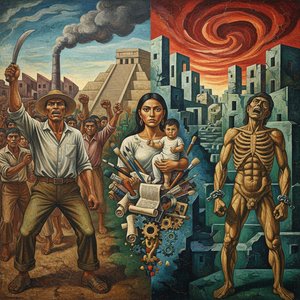
Explore the powerful world of Mexican muralism! Discover Diego Rivera, Frida Kahlo & Orozco's revolutionary art, social impact & lasting legacy. Expert insights & high-quality reproductions at Most-Famous-Paintings.

Objavte revolúciu v dizajne kuchýň a kúpeľní s murovanými dekoráciami! Profesionálne tipy, inšpiratívne projekty a odborné poradenstvo pre luxusné interiéry. Vytvorte jedinečný priestor s Most-Famous-Paintings.

Explore the powerful world of José Clemente Orozco, a key figure in Mexican Muralism. Discover his revolutionary art, social commentary, and lasting impact on 20th-century painting. Learn about his unique style & legacy.

Elevate commercial interiors with premium Mexican Muralism reproductions. Our guide for hotel designers covers large-scale Diego Rivera-style murals, custom sizing, and bulk procurement solutions for high-impact hospitality spaces. Reliable global shipping and professional art consultation.


Zostaňte v obraze s najnovšími správami zo sveta umenia, exkluzívnymi ponukami a nápormi na dekoráciu.
Povedzte nám o svojom projekte a naši odborníci na umenie vám pripravia 3 personalizované návrhy umeleckých diel.
Nechajte si od nás vybrať 3 možnosti priamo pre vás – zadarmo!


 Náhľad
 Odoslať
 Zdieľať
 Podrobnosti o dielo

 Stiahnuť
 Podobné diela
 RTG skúška
 Prezentácia
 Zobraziť viac







 Možnosť skla je dostupná len pri rozmeroch pod 110 cm


