x
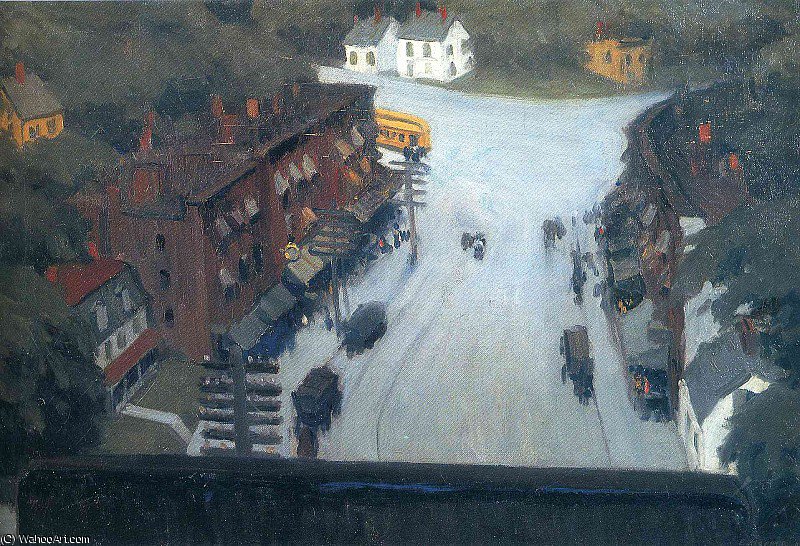
Ručne maľovaný olej na plátne vo vašej zvolenej veľkosti a v ráme, vyrobený na mieru našimi umelcami. ( Kúpiť tlač Kúpiť obrázok)





























Vyberte si z našich preddefinovaných rozmerov, ktoré zodpovedajú pôvodným pomeroḿ diela.

Môžete zadať vlastné rozmery tak, aby sa hodili do konkrétneho rámu alebo priestoru. Ak sa váš zvolený rozmer nezhoduje s pôvodnými proporciami obrazu, dielo buď orezáme, alebo ho doplníme ručne maľovanými prvkami. Pred začiatkom výroby vám zašleme digitálny náhľad na schválenie.
Upozorňujeme, že ukážka na obrazovke neodráža skutočné orezanie alebo doplnenie. Skutočnú finálnu kompozíciu zobrazuje iba digitálny náhľad.
Hoci sú k dispozícii vlastné rozmery, odporúčame vybrať rozmer z preddefinovaného zoznamu, aby sme zachovali pôvodné proporcie.
Celosvetová doprava () za 3 až 4 týždne namiesto štandardných 5 týždňov. (16 august). Bez kompromisov v kvalite.


untitled (161)
Veľkosť reprodukcie
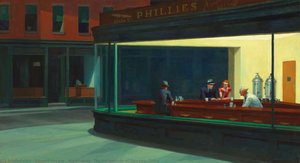
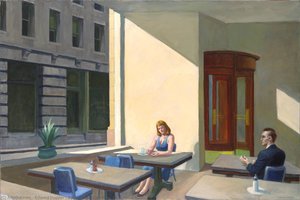
Edward Hopper's "Untitled (161)" – a deceptively simple black and white depiction of a Greenwich Village diner at night – transcends mere representation; it embodies the very essence of American modernism. Completed in 1942, amidst the anxieties of wartime America, this painting isn’t merely about what is seen but profoundly communicates what is felt—a palpable sense of solitude, longing, and unspoken connection.
The genesis of “Untitled (161)” lies in Hopper’s fascination with Ernest Hemingway's literary explorations of loneliness and disillusionment, notably "The Killers" and "A Clean, Well-Lighted Place." As Hopper himself recounted, he was drawn to the pervasive feeling of isolation present in these narratives. The painting emerged during a period marked by significant social upheaval—the Second World War casting its long shadow over American society—and Hopper’s work reflects this mood of quiet apprehension and introspection.
"Untitled (161)" is laden with symbolic significance. The diner itself represents a transient space, a momentary pause in the relentless flow of urban life—a place where individuals exist alongside each other yet remain fundamentally alone. Hopper’s masterful use of light and shadow amplifies this emotional core, highlighting the stark contrast between illumination and darkness, mirroring the internal struggles inherent in human existence.
Jo Hopper's Detailed Observations:Josephine Hopper meticulously documented her husband’s artistic process, adding invaluable insights into the painting’s conception. Her handwritten notes reveal a profound appreciation for Hopper’s technical prowess and his deliberate choices regarding composition and color palette. Notably, she emphasized that Hopper sought to capture “the loneliness of a large city,” reflecting Hemingway's thematic concerns.
"Untitled (161)" remains one of Edward Hopper’s most iconic works, celebrated for its ability to evoke profound feelings of solitude and contemplation. Its enduring appeal stems from its universality—a depiction of human experience that transcends time and place. Most-Famous-Paintings offers high-quality reproductions of this masterpiece, allowing collectors and enthusiasts alike to immerse themselves in the beauty and emotional depth of Hopper’s vision.


1931 - 1967 , USA

Explore the profound history of American Regionalism. Discover how Grant Wood captured the heart of the Midwest through masterpieces like American Gothic. An expert guide to the movement, its cultural impact, and the enduring beauty of American Realism.


Zostaňte v obraze s najnovšími správami zo sveta umenia, exkluzívnymi ponukami a nápormi na dekoráciu.
Povedzte nám o svojom projekte a naši odborníci na umenie vám pripravia 3 personalizované návrhy umeleckých diel.
Nechajte si od nás vybrať 3 možnosti priamo pre vás – zadarmo!


 Náhľad
 Odoslať
 Zdieľať
 Podrobnosti o dielo

 Stiahnuť
 Podobné diela
 RTG skúška
 Prezentácia
 Zobraziť viac







 Možnosť skla je dostupná len pri rozmeroch pod 110 cm