


x


 Objednať reprodukciu Kúpiť digitálnu verziu
 Odoslať
 Podrobnosti o dielo
 Pridať do obľúbených
 Stiahnuť
 Podobné diela
 RTG skúška
 Prezentácia
 Acrylic On CanvasWallArtVictorian Romanticism
 1863
1863 27.0 x 53.0 cm
 Yale Center for British Art
Giclée tlač alebo plátno múzeálnej kvality s rýchlou výrobou a flexibilnými možnosťami povrchovej úpravy.





























Vyberte si z našich preddefinovaných rozmerov, ktoré zodpovedajú pôvodným pomeroḿ diela.

Môžete zadať vlastné rozmery, aby sa reprodukcia prispôsobila konkrétnemu rámu alebo priestoru. Ak zvolená veľkosť nebude zodpovedať proporciám originálu, dielo buď orežeme, alebo obraz rozšírime pomocou zrkadlenia či farebného doplnenia okrajov. Pred začatím výroby vám pošleme digitálnu ukážku na schválenie.
Máte na vedomí, že náhľad na obrazovke neodzrkadľuje skutočné orezanie alebo rozšírenie. Len digitálna ukážka presne zobrazí finálnu kompozíciu.
Hoci sú k dispozícii vlastné rozmery, pre zachovanie pôvodných proporcií odporúčame vybrať si rozmer z vopred definovaného zoznamu.
Celosvetová doprava () do 2 týždňov namiesto štandardných 4/5 týždňov. (20 júl)


Philae, Egypt
Veľkosť reprodukcie
Edward Lear's "Philae, Egypt, 1863" isn’t merely a landscape painting; it’s a portal. A meticulously rendered vista of the ancient Egyptian island city of Philae, nestled within the embrace of a vast, shimmering lake, it invites us to step back in time and experience the serenity and grandeur of this once-sacred site. The scene unfolds with a quiet dignity – a majestic mountain range dominates the background, its peaks softened by atmospheric haze, while a sprawling body of water reflects the sky above, creating an illusion of infinite depth. Scattered across the foreground are figures—likely travelers or locals—adding a subtle human element to this otherwise timeless tableau. Lear’s choice of palette is masterful; he employs muted blues and greens for the water, contrasted with earthy ochres and browns for the mountains and surrounding landscape. This restrained color scheme doesn't diminish the scene's beauty; rather, it enhances its sense of realism and evokes a feeling of distant memory.
The painting’s historical context is crucial to understanding its emotional resonance. Philae, dedicated to the goddess Isis, held immense religious significance for centuries. By the 19th century, however, much of the island complex had fallen into disrepair and was threatened by rising waters from the Aswan Dam project. Lear's depiction, created just a few years before the dam’s completion, captures a fleeting moment in time—a testament to the beauty that was about to be lost. It speaks to a poignant awareness of cultural heritage and the inevitable passage of history.
Lear's distinctive style is immediately recognizable through his delicate, almost translucent watercolor technique. He eschews bold outlines and heavy brushstrokes, instead favoring subtle gradations of color and washes that create a sense of atmospheric perspective. The mountains, for instance, are rendered with layers of pale blue and grey, suggesting distance and the play of light on their surfaces. The water’s surface is treated with a shimmering quality—a series of broken strokes and diluted pigments that capture its fluidity and reflectivity. This meticulous attention to detail, combined with his mastery of color, results in an image that feels both incredibly detailed and remarkably ethereal.
He employed a technique known as ‘wet-on-wet,’ applying wet paint onto a still-damp surface, allowing the colors to bleed and blend together organically. This created soft edges and diffused tones, contributing significantly to the painting’s dreamlike quality. The layering of washes is particularly evident in the depiction of the distant mountains, where faint outlines gradually fade into the hazy background.
Beyond its purely representational qualities, “Philae, Egypt, 1863” carries layers of symbolic meaning. The vastness of the landscape—the towering mountains and expansive water—evokes a sense of human insignificance in the face of nature’s grandeur. The scattered figures in the foreground serve as reminders of our connection to the past, yet their isolation suggests a feeling of detachment from this ancient world. Lear himself was known for his introspective nature and fascination with solitude; these themes resonate deeply within the painting.
Furthermore, the island itself—a sanctuary dedicated to Isis, a powerful goddess associated with magic, motherhood, and protection—hints at a deeper spiritual significance. The scene can be interpreted as a meditation on faith, memory, and the enduring power of ancient traditions. The inclusion of figures enjoying the view suggests an appreciation for beauty and tranquility, values that seem timeless and universal.
Reproductions of “Philae, Egypt, 1863” offer a remarkable opportunity to experience Lear’s artistic vision firsthand. Whether displayed in a grand salon or a cozy study, this painting evokes a sense of wonder and invites contemplation. Its delicate beauty and evocative atmosphere make it an ideal choice for collectors seeking pieces that are both visually stunning and intellectually stimulating. The painting's enduring appeal lies not only in its technical mastery but also in its ability to transport us to another time and place—a world of ancient mysteries, breathtaking landscapes, and the quiet contemplation of human existence.


1812 - 1888 , Spojené kráľovstvo
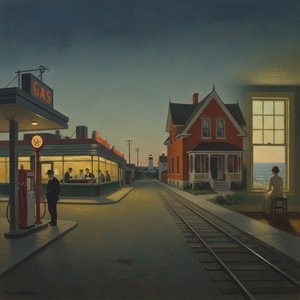
Ponorte sa do sveta Edwarda Hoppera s Most-Famous-Paintings.com! Objavte top 25 diel amerického realizmu, plných samoty a ikonických mestských krajín. Reprodukcie obrazov pre váš dokonalý interiér – kúpiť teraz na Most-Famous-Paintings.com

Explore the rich history & enduring techniques of oil painting with Most-Famous-Paintings. Discover masterpieces, learn about art collecting, and find authentic handmade reproductions crafted by skilled artists.
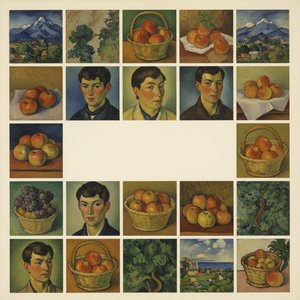
Objavte top 25 diel Paula Cézanna – impresionistické krajinomaľby, zátišia a portréty. Prežite príbeh umelca a jeho majstrovských techník. Reprodukcie obrazov pre luxusný domov na Most-Famous-Paintings.com
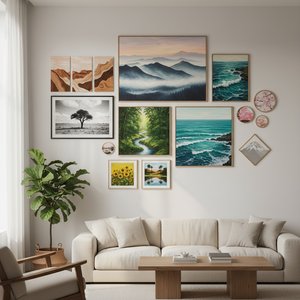
Objavte top 10 krajín v umení od Van Gogha po Monet! Prežite príbehy slávnych majstrov a ich ikonických diel. Reprodukcie obrazov pre váš domov na Most-Famous-Paintings.com – múzejná kvalita, inšpirácia a dekorácie.

Explore the life of Edward Lear beyond his nonsense poems. Discover his stunning landscape paintings, travel illustrations & the poignant themes of isolation in this expert art history analysis.


Zostaňte v obraze s najnovšími správami zo sveta umenia, exkluzívnymi ponukami a nápormi na dekoráciu.
Povedzte nám o svojom projekte a naši odborníci na umenie vám pripravia 3 personalizované návrhy umeleckých diel.
Nechajte si od nás vybrať 3 možnosti priamo pre vás – zadarmo!


 Zdieľať

 Zobraziť viac







 Možnosť skla je dostupná len pri rozmeroch pod 110 cm


