x

Ručne maľovaný olej na plátne vo vašej zvolenej veľkosti a v ráme, vyrobený na mieru našimi umelcami. ( Kúpiť tlač Kúpiť obrázok)





























Vyberte si z našich preddefinovaných rozmerov, ktoré zodpovedajú pôvodným pomeroḿ diela.

Môžete zadať vlastné rozmery tak, aby sa hodili do konkrétneho rámu alebo priestoru. Ak sa váš zvolený rozmer nezhoduje s pôvodnými proporciami obrazu, dielo buď orezáme, alebo ho doplníme ručne maľovanými prvkami. Pred začiatkom výroby vám zašleme digitálny náhľad na schválenie.
Upozorňujeme, že ukážka na obrazovke neodráža skutočné orezanie alebo doplnenie. Skutočnú finálnu kompozíciu zobrazuje iba digitálny náhľad.
Hoci sú k dispozícii vlastné rozmery, odporúčame vybrať rozmer z preddefinovaného zoznamu, aby sme zachovali pôvodné proporcie.
Celosvetová doprava () za 3 až 4 týždne namiesto štandardných 5 týždňov. (18 august). Bez kompromisov v kvalite.


Bare Tree behind a Fence
Veľkosť reprodukcie
Egon Schiele’s *Bare Tree Behind a Fence*, created in 1912, stands as a cornerstone of Expressionist art—a haunting testament to the artist's profound engagement with psychological turmoil and existential dread. More than just a landscape depiction, it embodies Schiele’s distinctive visual language, characterized by angular lines, muted colors, and an unsettling intimacy that draws viewers into the artist’s inner world.
Schiele's mastery of Expressionism is immediately apparent in *Bare Tree Behind a Fence*. His brushstrokes are forceful, agitated, conveying an overwhelming sense of emotion. The artist eschewed meticulous realism, prioritizing instead the conveyance of subjective experience—the artist’s inner state—over objective representation. Thick impasto creates textural richness and emphasizes the physicality of the painting, mirroring Schiele's preoccupation with the human body.
1912 marks a pivotal moment in art history—the ascendancy of Expressionism as a dominant artistic movement across Europe. Artists like Schiele were actively challenging conventions, rejecting academic traditions and exploring new avenues for conveying emotion and psychological complexity. *Bare Tree Behind a Fence* reflects the broader intellectual climate of the time, marked by anxieties about modernity and a fascination with the darker aspects of human experience.
“The Expressionists sought to depict not what they saw but what they felt,” wrote art historian Norbert Franzke. “They aimed to express inner turmoil and psychological states—often confronting themes of death, sexuality, and suffering—rather than simply reproducing the external world.”*Bare Tree Behind a Fence* continues to resonate with audiences today because it speaks to universal human concerns about vulnerability, loss, and the confrontation with mortality. Schiele’s uncompromising artistic vision remains influential, inspiring artists who strive for authenticity and emotional depth. Reproductions of this iconic artwork offer an opportunity to experience Schiele's profound aesthetic sensibility—a reminder that art can illuminate the complexities of the human psyche.

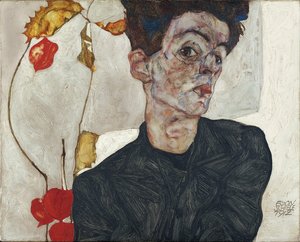
1890 - 1918 , Rakúsko

Explore the profound history of landscape masterpieces. From the Barbizon School to Monet's Impressionism, discover how timeless natural scenes bring serenity and prestige to your collection through museum-quality, hand-painted oil reproductions.


Zostaňte v obraze s najnovšími správami zo sveta umenia, exkluzívnymi ponukami a nápormi na dekoráciu.
Povedzte nám o svojom projekte a naši odborníci na umenie vám pripravia 3 personalizované návrhy umeleckých diel.
Nechajte si od nás vybrať 3 možnosti priamo pre vás – zadarmo!


 Náhľad
 Odoslať
 Zdieľať
 Podrobnosti o dielo

 Stiahnuť
 Podobné diela
 RTG skúška
 Prezentácia

 Zobraziť viac







 Možnosť skla je dostupná len pri rozmeroch pod 110 cm