x


 Preview
 Objednať reprodukciu Kúpiť digitálnu verziu
 Odoslať
 Podrobnosti o dielo
 Pridať do obľúbených
 Stiahnuť
 Podobné diela
 RTG skúška
 Prezentácia
 Acrylic On CanvasWallArtExpressionism
 1913
1913 486.0 x 320.0 cm
 Leopoldov muzeum
Giclée tlač alebo plátno múzeálnej kvality s rýchlou výrobou a flexibilnými možnosťami povrchovej úpravy.





























Vyberte si z našich preddefinovaných rozmerov, ktoré zodpovedajú pôvodným pomeroḿ diela.

Môžete zadať vlastné rozmery, aby sa reprodukcia prispôsobila konkrétnemu rámu alebo priestoru. Ak zvolená veľkosť nebude zodpovedať proporciám originálu, dielo buď orežeme, alebo obraz rozšírime pomocou zrkadlenia či farebného doplnenia okrajov. Pred začatím výroby vám pošleme digitálnu ukážku na schválenie.
Máte na vedomí, že náhľad na obrazovke neodzrkadľuje skutočné orezanie alebo rozšírenie. Len digitálna ukážka presne zobrazí finálnu kompozíciu.
Hoci sú k dispozícii vlastné rozmery, pre zachovanie pôvodných proporcií odporúčame vybrať si rozmer z vopred definovaného zoznamu.
Celosvetová doprava () do 2 týždňov namiesto štandardných 4/5 týždňov. (25 júl)


Old Gable
Veľkosť reprodukcie
Egon Schiele’s “Old Gable,” painted in 1913, isn't merely a depiction of a building under construction; it’s a profound meditation on decay, labor, and the relentless march of time—themes central to Schiele’s distinctive Expressionist style. This artwork resides within the Leopold Museum’s Online Sammlung, offering visitors a glimpse into Schiele’s artistic legacy and his meticulous approach to capturing reality.
The painting itself presents a striking visual narrative. A weathered gable roof dominates the composition, partially obscured by scaffolding and beams—symbols of ongoing effort and transformation. The artist skillfully employs pencil and gouache on paper, layering textures to convey both solidity and vulnerability. Schiele’s characteristic angular lines define the architectural elements with precision, yet simultaneously imbue them with an unsettling dynamism.
Schiele's artistic journey began amidst considerable hardship; his father succumbed to syphilis when he was just fourteen, profoundly influencing his worldview and fueling a preoccupation with mortality that permeates much of his oeuvre. Raised initially by his mother and then under the guardianship of Leopold Czihaczek, Schiele’s childhood lacked conventional stability but nurtured an independent spirit—a trait evident in his unwavering dedication to artistic exploration.
The historical context surrounding “Old Gable” is crucial to understanding its significance. Painted during a period marked by intellectual ferment and anxieties about the future, Schiele's work reflects the broader Expressionist movement’s preoccupation with psychological intensity and emotional honesty. Unlike Impressionists who sought to capture fleeting moments of beauty, Schiele aimed to confront viewers with uncomfortable truths about human existence—a bold ambition that distinguishes him from his contemporaries.
Beyond its formal qualities, “Old Gable” resonates emotionally due to Schiele’s masterful use of color and tonal variation. The muted palette—primarily reds and browns—creates a sense of melancholy and emphasizes the passage of time. However, Schiele's expressive brushstrokes inject an element of urgency into the scene, suggesting that despite appearances, change is inevitable. It’s a poignant reminder of the beauty found within imperfection and decay.
Schiele’s artistic reputation solidified after his death in 1918, establishing him as one of Austria's most influential artists. His work continues to inspire admiration for its uncompromising vision and technical brilliance. Reproductions of “Old Gable” are available at Leopold Museum Online Sammlung, allowing collectors and enthusiasts alike to experience the power of Schiele’s artistic legacy.
Further research into Schiele's life and art can be found at Egon Schiele and Old Gable - Google Arts & Culture.

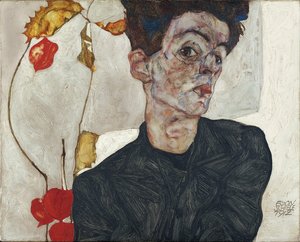
1890 - 1918 , Rakúsko
Ponorte sa do sveta Egona Schieleho! Objavte top 25 diel expresionistického majstra, jeho portréty a techniku. Luxusné reprodukcie obrazov pre váš interiér na Most-Famous-Paintings.com. Preskúmajte celú kolekciu online.

Objavte top 25 diel Metropolitného múzea umenia v New Yorku! Prežite príbehy Van Gogha, Moneta a ďalších majstrov. Reprodukcie obrazov pre váš interiér – luxusné dekorácie na Most-Famous-Paintings.com.
Ponorte sa do sveta Jamesa Abbotta McNeilla Whistlera! Objavte 25 ikonických diel amerického impresionistu – portréty, Nocturnes a farebné harmónie. Kúpiť reprodukcie obrazov pre luxusný interiér na Most-Famous-Paintings.com.

Objavte top 25 majstrovských diel Detroit Institute of Arts! Van Gogh, Monet, Rembrandt a ďalší. Inšpirujte sa umením pre váš domov a kúpite kvalitné reprodukcie obrazov na Most-Famous-Paintings.com.
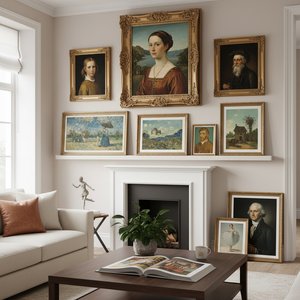
Objavte top 25 diel Národnej galérie umenia vo Washingtone! Prežite príbehy Cézanna, Matissea a Picassa. Reprodukcie obrazov pre luxusný interiér na Most-Famous-Paintings.com – múzejná kvalita a inšpirácia pre váš domov.


Zostaňte v obraze s najnovšími správami zo sveta umenia, exkluzívnymi ponukami a nápormi na dekoráciu.
Povedzte nám o svojom projekte a naši odborníci na umenie vám pripravia 3 personalizované návrhy umeleckých diel.
Nechajte si od nás vybrať 3 možnosti priamo pre vás – zadarmo!


 Zdieľať

 Zobraziť viac







 Možnosť skla je dostupná len pri rozmeroch pod 110 cm