x

Ručne maľovaný olej na plátne vo vašej zvolenej veľkosti a v ráme, vyrobený na mieru našimi umelcami. ( Kúpiť tlač Kúpiť obrázok)
Vyberte si z našich preddefinovaných rozmerov, ktoré zodpovedajú pôvodným pomeroḿ diela.

Môžete zadať vlastné rozmery tak, aby sa hodili do konkrétneho rámu alebo priestoru. Ak sa váš zvolený rozmer nezhoduje s pôvodnými proporciami obrazu, dielo buď orezáme, alebo ho doplníme ručne maľovanými prvkami. Pred začiatkom výroby vám zašleme digitálny náhľad na schválenie.
Upozorňujeme, že ukážka na obrazovke neodráža skutočné orezanie alebo doplnenie. Skutočnú finálnu kompozíciu zobrazuje iba digitálny náhľad.
Hoci sú k dispozícii vlastné rozmery, odporúčame vybrať rozmer z preddefinovaného zoznamu, aby sme zachovali pôvodné proporcie.
Celosvetová doprava () za 3 až 4 týždne namiesto štandardných 5 týždňov. (15 august). Bez kompromisov v kvalite.


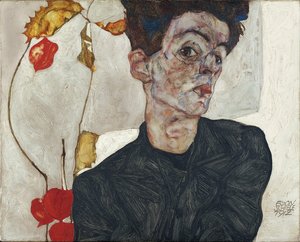
self portrait 1913
Veľkosť reprodukcie
Egon Schiele's "Self Portrait," painted in 1913, stands as a haunting testament to the anxieties and introspection characteristic of Expressionism. More than just a likeness of the artist himself, it embodies a profound psychological exploration rendered with an uncompromising visual language that continues to captivate audiences today.
Painted amidst the burgeoning Expressionist movement in Vienna—a period marked by social upheaval and artistic experimentation—Schiele’s “Self Portrait” reflects the broader intellectual climate of its era. Influenced by artists like Edvard Munch and Vincent van Gogh, Schiele adopted techniques that prioritized emotional intensity over realistic depiction. The painting's raw aesthetic aligns with the Expressionists’ desire to convey subjective experience and confront uncomfortable truths about human existence.
Schiele’s masterful line work is arguably the painting’s most striking feature. Each stroke pulsates with energy, capturing the artist's emotional state—a whirlwind of anxiety and self-awareness. The lines aren’t merely delineating form; they are communicating feeling directly to the viewer, embodying Schiele’s conviction that art should transcend mere visual representation.
"Self Portrait" transcends its formal elements to deliver a visceral experience of psychological vulnerability. It compels viewers to confront uncomfortable questions about identity and mortality—themes that resonate powerfully across generations. Schiele's unflinching honesty continues to inspire artists and scholars alike, cementing “Self Portrait”’s place as an enduring masterpiece of Expressionist art.

1890 - 1918 , Rakúsko

Transform your photos into stunning personalized art! Most-Famous-Paintings offers museum-quality reproductions & custom portraits in any style. Expert artists, free consultations & worldwide shipping. Create a timeless heirloom today!

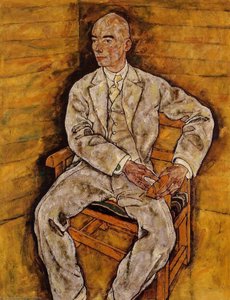
Explore the life & art of Philip de László, master portraitist of European aristocracy. Discover his stunning paintings, royal commissions, and enduring legacy. A guide for discerning collectors.
Objavte top 10 slávnych obrazov s dominantnou čiernou farbou od Rembrandta, Goya a ďalších majstrov. Prežite príbeh umenia, techniky a nadčasovej krásy. Reprodukcie obrazov pre váš domov na Most-Famous-Paintings.com

Explore the fascinating evolution of portraiture from classical masterpieces to digital art! Discover symbolism, techniques & societal impact. Expert insights for collectors & enthusiasts at Most-Famous-Paintings.
Ponorte sa do sveta Marka Rothka s Most-Famous-Paintings.com! Objavte top 25 diel abstraktného expresionizmu, farebných plôch a hlbokých emócií. Kúpiť reprodukcie obrazov online a inšpirujte sa pre luxusný interiérový dizajn. Preskúmajte celú kolekciu na Most-Famous-Paintings.com


Zostaňte v obraze s najnovšími správami zo sveta umenia, exkluzívnymi ponukami a nápormi na dekoráciu.
Povedzte nám o svojom projekte a naši odborníci na umenie vám pripravia 3 personalizované návrhy umeleckých diel.
Nechajte si od nás vybrať 3 možnosti priamo pre vás – zadarmo!


 Náhľad
 Odoslať
 Zdieľať
 Podrobnosti o dielo

 Stiahnuť
 Podobné diela
 RTG skúška
 Prezentácia
 Zobraziť viac




































 Možnosť skla je dostupná len pri rozmeroch pod 110 cm