


x

Ručne maľovaný olej na plátne vo vašej zvolenej veľkosti a v ráme, vyrobený na mieru našimi umelcami. ( Kúpiť tlač Kúpiť obrázok)





























Vyberte si z našich preddefinovaných rozmerov, ktoré zodpovedajú pôvodným pomeroḿ diela.

Môžete zadať vlastné rozmery tak, aby sa hodili do konkrétneho rámu alebo priestoru. Ak sa váš zvolený rozmer nezhoduje s pôvodnými proporciami obrazu, dielo buď orezáme, alebo ho doplníme ručne maľovanými prvkami. Pred začiatkom výroby vám zašleme digitálny náhľad na schválenie.
Upozorňujeme, že ukážka na obrazovke neodráža skutočné orezanie alebo doplnenie. Skutočnú finálnu kompozíciu zobrazuje iba digitálny náhľad.
Hoci sú k dispozícii vlastné rozmery, odporúčame vybrať rozmer z preddefinovaného zoznamu, aby sme zachovali pôvodné proporcie.
Celosvetová doprava () za 3 až 4 týždne namiesto štandardných 5 týždňov. (23 august). Bez kompromisov v kvalite.


Sunflower
Veľkosť reprodukcie
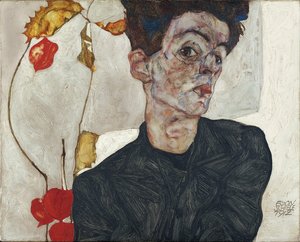
In the vast landscape of early 20th-century art, few images possess the quiet, unsettling magnetism of Egon Schiele’s Sunflower. Created in 1909, this work transcends the traditional boundaries of botanical illustration to offer a profound psychological portrait. While many are familiar with the vibrant, sun-drenched ecstasy of Van Gogh’s sunflowers, Schiele presents us with something entirely different: a specimen that feels as much like a living soul as it does a flower. The painting captures a sense of fragile existence, where the sunflower stands not in triumph, but in a state of delicate, melancholic transition. It is a piece that invites the viewer into a world of introspection, making it an extraordinary choice for those who appreciate art that speaks to the deeper, more complex layers of the human condition.
The composition is defined by its striking, elongated format, which creates a sense of vertical tension and isolation. Schiele utilizes a stark, minimalist background that strips away all environmental context, forcing our gaze to confront the subject in its rawest form. The sunflower itself is depicted with an angularity and a certain skeletal grace characteristic of the Expressionist movement. We see a heavy, dark center—a void-like heart that seems to pull at the viewer’s attention—surrounded by petals that appear to be fading or perhaps even decaying. This deliberate focus on the ephemeral nature of life serves as a poignant metaphor for Schiele's own preoccupations with mortality and the fleeting beauty found within vulnerability.
Executed in oil on canvas, the technical mastery of this piece lies in its ability to balance intricate detail with raw, emotive energy. Schiele’s brushwork is deliberate and textured, creating a surface that feels palpable and alive. There is a rhythmic quality to the way he applies paint, using layered strokes to build a sense of weight in the flower's head while maintaining a delicate lightness in the surrounding smaller blooms. The color palette is a sophisticated study in contrasts; rich, vibrant yellows are tempered by earthy, autumnal tones and deep, shadowy hues. This interplay of light and dark does more than just create depth—it establishes a mood of "silent darkness," as if the flower is emerging from, or perhaps receding into, an internal psychological landscape.
For the discerning collector or interior designer, this painting offers a unique opportunity to introduce a focal point that is both intellectually stimulating and aesthetically profound. The way the light catches the textured oil pigments makes the piece dynamic, changing character depending on the lighting of the room. It possesses a timeless quality that complements both modern minimalist spaces and more traditional, classical settings. To possess a high-quality reproduction of this work is to bring a piece of art history into one's home—a piece that does not merely decorate a wall but serves as a window into the turbulent, beautiful spirit of the Austrian Expressionist era.
Ultimately, Schiele’s Sunflower is an invitation to contemplate the beauty found in imperfection and the strength found in fragility. It is a masterpiece of emotional resonance, capturing that precise moment where life meets its inevitable decline, yet doing so with such exquisite artistry that the viewer cannot help but be moved. Whether viewed as a study in color, a triumph of technique, or a profound philosophical statement, it remains an enduring icon of modern art.
1890 - 1918 , Rakúsko
Ponorte sa do sveta Egona Schieleho! Objavte top 25 diel expresionistického majstra, jeho portréty a techniku. Luxusné reprodukcie obrazov pre váš interiér na Most-Famous-Paintings.com. Preskúmajte celú kolekciu online.
Ponorte sa do sveta expresionizmu s 10 majstrovskými dielami od Muncha, van Gogha a ďalších. Objavte príbehy za ikonickými obrazmi plnými emócií a farieb. Reprodukcie vysokej kvality pre váš domov na Most-Famous-Paintings.com.
Ponorte sa do sveta expresionizmu s 10 majstrovskými dielami od Muncha, van Gogha a ďalších. Objavte príbehy umelcov, techniky a silné emócie v obrazoch. Reprodukcie obrazov pre váš domov na Most-Famous-Paintings.com! Preskúmajte kolekciu online.

Objavte top 10 slávnych obrazov v odtieňoch taupe! Prežite príbehy Van Gogha, Moneta a Rembrandta. Luxusné reprodukcie pre váš interiér – impresionizmus, moderné umenie a klasické maľby na Most-Famous-Paintings.com.

Objavte silu umeleckých diel v budovaní identity luxusných priestorov. Rady od expertov na výber obrazov, zakázkovú tvorbu a integráciu umenia do dizajnu interiéru hotela. Inšpirujte sa prípadovými štúdiami!


Zostaňte v obraze s najnovšími správami zo sveta umenia, exkluzívnymi ponukami a nápormi na dekoráciu.
Povedzte nám o svojom projekte a naši odborníci na umenie vám pripravia 3 personalizované návrhy umeleckých diel.
Nechajte si od nás vybrať 3 možnosti priamo pre vás – zadarmo!


 Náhľad
 Odoslať
 Zdieľať
 Podrobnosti o dielo

 Stiahnuť
 Podobné diela
 RTG skúška
 Prezentácia


 Zobraziť viac







 Možnosť skla je dostupná len pri rozmeroch pod 110 cm


