x


Ručne maľovaný olej na plátne vo vašej zvolenej veľkosti a v ráme, vyrobený na mieru našimi umelcami. ( Switch to Print Switch to Image)





























Vyberte si z našich preddefinovaných rozmerov, ktoré zodpovedajú pôvodným pomeroḿ diela.

Môžete zadať vlastné rozmery tak, aby sa hodili do konkrétneho rámu alebo priestoru. Ak sa váš zvolený rozmer nezhoduje s pôvodnými proporciami obrazu, dielo buď orezáme, alebo ho doplníme ručne maľovanými prvkami. Pred začiatkom výroby vám zašleme digitálny náhľad na schválenie.
Upozorňujeme, že ukážka na obrazovke neodráža skutočné orezanie alebo doplnenie. Skutočnú finálnu kompozíciu zobrazuje iba digitálny náhľad.
Hoci sú k dispozícii vlastné rozmery, odporúčame vybrať rozmer z preddefinovaného zoznamu, aby sme zachovali pôvodné proporcie.
Celosvetová doprava () za 3 až 4 týždne namiesto štandardných 5 týždňov. (28 júl). Bez kompromisov v kvalite.


The Dancer Moa
Veľkosť reprodukcie
Egon Schiele's “The Dancer Moa,” painted in 1911, is not merely a depiction of a woman in motion; it’s a raw, intensely personal exploration of the human condition – a dance with mortality and the unsettling beauty of vulnerability. This watercolor, rendered in bold, almost frantic strokes, immediately draws the viewer into a world saturated with color and brimming with an unspoken tension. The subject, a young woman enveloped in a vibrant red dress and a flowing blue scarf, appears caught in a moment of both grace and profound unease. Her arms are outstretched, suggesting movement and perhaps even a desperate reach, while her gaze is averted, hinting at a hidden story or a private sorrow.
Schiele’s work during this period represents a significant departure from the decorative elegance of Gustav Klimt, his mentor. While Klimt employed shimmering gold and intricate patterns to create opulent surfaces, Schiele favored a more direct and emotionally charged approach. He rejected the polished surface in favor of visible brushstrokes—a deliberate act that emphasizes the physicality of painting itself. The loose application of watercolor, combined with the dark outlines defining the figure, creates an immediate sense of urgency and instability. This technique reflects Schiele’s fascination with the body's vulnerability and its capacity for both exquisite beauty and profound suffering – themes that would dominate much of his oeuvre.
The rich textiles surrounding the dancer are crucial to understanding the painting’s layered meaning. The vibrant red dress, a color often associated with passion and danger, contrasts sharply with the cool blue scarf, suggesting a conflict between desire and restraint. These fabrics aren't simply decorative; they act as vessels for emotion, enveloping the figure in a cocoon of sensation. Schiele was deeply interested in the textures and patterns of clothing – he frequently incorporated them into his work to heighten the visual impact and imbue objects with symbolic weight. The swirling forms within the textiles seem to mirror the dancer’s own internal turmoil, suggesting that her movements are not just physical but also emotional.
Painted in a period marked by personal tragedy – his sister Elvira died young and his father succumbed to illness – “The Dancer Moa” is often interpreted as a reflection of Schiele’s own anxieties about life, death, and the fragility of existence. The dancer's averted gaze and the overall sense of unease suggest a profound awareness of mortality. Schiele’s self-portraits, particularly those from this period, are frequently characterized by similar themes of introspection and psychological intensity. “The Dancer Moa” stands as a testament to his ability to translate deeply personal emotions into powerful visual forms. It's a hauntingly beautiful work that invites viewers to contemplate the complexities of human experience – a dance between joy and sorrow, strength and vulnerability, life and death.
Most-Famous-Paintings offers meticulously crafted hand-painted reproductions of Egon Schiele’s “The Dancer Moa,” allowing you to bring this evocative masterpiece into your home or office. Each reproduction is created by skilled artists using traditional techniques, ensuring the highest level of detail and authenticity. Explore our collection today and experience the raw emotion and artistic brilliance of one of Expressionism's most compelling figures.

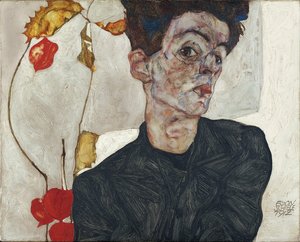
1890 - 1918 , Rakúsko
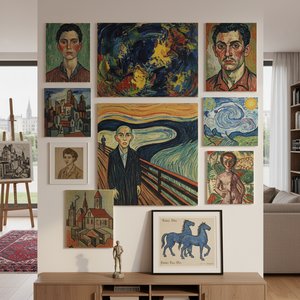
Ponorte sa do sveta expresionizmu s 10 majstrovskými dielami od Muncha, van Gogha a ďalších. Objavte príbehy umelcov, techniky a silné emócie v obrazoch. Reprodukcie obrazov pre váš domov na Most-Famous-Paintings.com! Preskúmajte kolekciu online.

Explore the captivating world of Edgar Degas! Discover his innovative techniques, iconic ballet paintings, and unique portrayal of Parisian life in this insightful art history study.

Objavte top 10 legendárnych vodafarieb od Turner, Homer a ďalších majstrov! História umenia, techniky a inšpirácia pre váš interiér. Reprodukcie obrazov na Most-Famous-Paintings.com – kvalita múzejnej úrovne.

Explore the world of acrylic painting! Discover its rich history, essential techniques, contemporary applications & renowned artists. Expert guide for beginners to professionals.

Objavte top 10 legendárnych diel akrylom na papieri od Pollocka, Rothka a ďalších majstrov. Prežite príbeh umenia, farieb a techník. Reprodukcie obrazov pre váš interiér nájdete na Most-Famous-Paintings.com


Zostaňte v obraze s najnovšími správami zo sveta umenia, exkluzívnymi ponukami a nápormi na dekoráciu.
Povedzte nám o svojom projekte a naši odborníci na umenie vám pripravia 3 personalizované návrhy umeleckých diel.
Nechajte si od nás vybrať 3 možnosti priamo pre vás – zadarmo!


 Preview
 Odoslať
 Zdieľať
 Podrobnosti o dielo

 Stiahnuť
 Podobné diela
 RTG skúška
 Prezentácia

 Zobraziť viac







 Možnosť skla je dostupná len pri rozmeroch pod 110 cm