x

Giclée tlač alebo plátno múzeálnej kvality s rýchlou výrobou a flexibilnými možnosťami povrchovej úpravy. ( Kúpiť ručne maľovaný obraz Kúpiť obrázok)





























Vyberte si z našich preddefinovaných rozmerov, ktoré zodpovedajú pôvodným pomeroḿ diela.

Môžete zadať vlastné rozmery, aby sa reprodukcia prispôsobila konkrétnemu rámu alebo priestoru. Ak zvolená veľkosť nebude zodpovedať proporciám originálu, dielo buď orežeme, alebo obraz rozšírime pomocou zrkadlenia či farebného doplnenia okrajov. Pred začatím výroby vám pošleme digitálnu ukážku na schválenie.
Máte na vedomí, že náhľad na obrazovke neodzrkadľuje skutočné orezanie alebo rozšírenie. Len digitálna ukážka presne zobrazí finálnu kompozíciu.
Hoci sú k dispozícii vlastné rozmery, pre zachovanie pôvodných proporcií odporúčame vybrať si rozmer z vopred definovaného zoznamu.
Celosvetová doprava () do 2 týždňov namiesto štandardných 4/5 týždňov. (18 august)


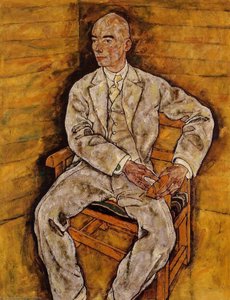
untitled (3781)
Veľkosť reprodukcie
Egon Schiele's "untitled (3781)," a remarkably intimate and unsettling portrait, offers a profound glimpse into the artist’s tormented psyche. Painted during a period marked by personal tragedy and artistic experimentation, this work transcends mere representation to become a raw expression of vulnerability, mortality, and the complex interplay between life and death. The image depicts a woman with strikingly vibrant green hair, enveloped in a protective embrace by another figure – a man holding her close. Set against a stark white background, the figures command attention, their forms rendered with Schiele’s signature elongated lines and intense gaze. The scene feels both intensely private and universally resonant, inviting viewers to contemplate themes of love, loss, and the inescapable shadow of existence.
To fully appreciate “untitled (3781),” it’s crucial to understand the artist's tumultuous life. Born in 1890 in Tulln an der Donau, Austria, Schiele’s early years were profoundly shaped by illness and loss – his father succumbed to syphilis when he was just fourteen, a devastating event that permeated much of his work. Raised under the watchful eye of his uncle, Leopold Czihaczek, and grappling with the premature deaths of his sister and mother, Schiele developed an acute awareness of fragility and mortality. This biographical backdrop informs every brushstroke, imbuing the painting with a palpable sense of melancholy and urgency. His artistic training at the Vienna Academy of Fine Arts, particularly under the influence of Gustav Klimt, provided him with technical skills but ultimately left him feeling stifled by convention – a desire to break free from established norms fueled his intensely personal and often unsettling style.
Schiele’s technique is immediately arresting. He employs elongated, sinuous lines that seem to writhe with emotion, capturing the physicality of the figures in a way that is both sensual and unsettling. The woman's green hair, an unusual choice for the period, could symbolize vitality, youth, or perhaps even a hint of otherworldly beauty – a defiant assertion against the encroaching darkness. The man’s embrace isn’t one of comfort; rather, it feels possessive, almost desperate. Notice how he dominates the space around her, his body pressing close, suggesting an attempt to shield her from some unseen threat. The stark white background serves to amplify the figures' presence, drawing focus entirely onto their emotional state. The use of a limited color palette – primarily black and white with the vibrant green – further emphasizes the painting’s dramatic intensity. Schiele frequently utilized a technique called “pointillé,” applying tiny dots of paint to create texture and depth, adding to the overall sense of movement and unease.
"untitled (3781)" is not simply a portrait; it’s a psychological exploration. It speaks to the fundamental human need for connection in the face of mortality, but also reveals the anxieties and insecurities that can accompany intimacy. The painting evokes a sense of vulnerability and longing—a silent plea for protection amidst an uncertain world. Schiele's work consistently grappled with themes of sexuality, death, and the human condition, often portraying figures in states of heightened emotion or psychological distress. This particular piece resonates deeply because it captures a moment of intense connection, shadowed by an underlying awareness of fragility. It’s a reminder that even within moments of apparent comfort, the specter of loss always lingers. Reproductions of this powerful work offer a unique opportunity to experience Schiele's vision and contemplate these profound themes.
For high-quality reproductions and to delve deeper into Egon Schiele’s artistic legacy, please visit Most-Famous-Paintings.com.

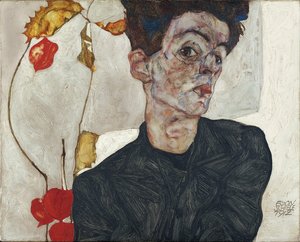
1890 - 1918 , Rakúsko
Ponorte sa do sveta Egona Schieleho! Objavte top 25 diel expresionistického majstra, jeho portréty a techniku. Luxusné reprodukcie obrazov pre váš interiér na Most-Famous-Paintings.com. Preskúmajte celú kolekciu online.

Explore the rich history & symbolism of green in art! Discover iconic paintings, techniques, and how to bring verdant harmony into your home with Most-Famous-Paintings's expert guide.

Explore the emotionally charged world of Egon Schiele (1890-1918). Discover his Expressionist masterpieces, psychological themes, and lasting impact on modern art. A comprehensive guide for collectors & enthusiasts.
Ponorte sa do sveta expresionizmu s 10 majstrovskými dielami od Muncha, van Gogha a ďalších. Objavte príbehy umelcov, techniky a silné emócie v obrazoch. Reprodukcie obrazov pre váš domov na Most-Famous-Paintings.com! Preskúmajte kolekciu online.

Objavte top 10 slávnych obrazov s dominantnou čiernou farbou od Rembrandta, Goya a ďalších majstrov. Prežite príbehy umenia, techniky a nadčasovej krásy. Reprodukcie obrazov pre váš interiér na Most-Famous-Paintings.sk – múzejná kvalita!


Zostaňte v obraze s najnovšími správami zo sveta umenia, exkluzívnymi ponukami a nápormi na dekoráciu.
Povedzte nám o svojom projekte a naši odborníci na umenie vám pripravia 3 personalizované návrhy umeleckých diel.
Nechajte si od nás vybrať 3 možnosti priamo pre vás – zadarmo!


 Náhľad
 Odoslať
 Zdieľať
 Podrobnosti o dielo

 Stiahnuť
 Podobné diela
 RTG skúška
 Prezentácia
 Zobraziť viac







 Možnosť skla je dostupná len pri rozmeroch pod 110 cm