


x

Ručne maľovaný olej na plátne vo vašej zvolenej veľkosti a v ráme, vyrobený na mieru našimi umelcami. ( Kúpiť tlač Kúpiť obrázok)





























Vyberte si z našich preddefinovaných rozmerov, ktoré zodpovedajú pôvodným pomeroḿ diela.

Môžete zadať vlastné rozmery tak, aby sa hodili do konkrétneho rámu alebo priestoru. Ak sa váš zvolený rozmer nezhoduje s pôvodnými proporciami obrazu, dielo buď orezáme, alebo ho doplníme ručne maľovanými prvkami. Pred začiatkom výroby vám zašleme digitálny náhľad na schválenie.
Upozorňujeme, že ukážka na obrazovke neodráža skutočné orezanie alebo doplnenie. Skutočnú finálnu kompozíciu zobrazuje iba digitálny náhľad.
Hoci sú k dispozícii vlastné rozmery, odporúčame vybrať rozmer z preddefinovaného zoznamu, aby sme zachovali pôvodné proporcie.
Celosvetová doprava () za 3 až 4 týždne namiesto štandardných 5 týždňov. (23 august). Bez kompromisov v kvalite.


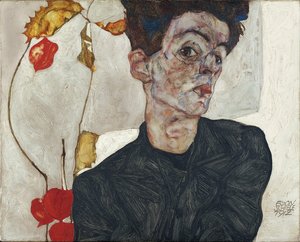
Water Sprites
Veľkosť reprodukcie
Egon Schiele’s “Water Sprites,” completed in 1908, stands as a haunting testament to the artist's preoccupation with themes of vulnerability, eroticism, and mortality—a hallmark of Expressionist art that continues to captivate audiences today. Painted during a period of intense artistic experimentation and personal turmoil, this enigmatic work transcends mere visual representation, delving into psychological complexities that resonate deeply within its viewer.
Schiele’s distinctive style is immediately recognizable through his masterful use of bold, angular lines—a technique he honed during his formative years studying under Gustav Klimt. Unlike Klimt's opulent ornamentation, Schiele eschews decorative embellishment in favor of a starkly reductive aesthetic that prioritizes form and gesture. The painting employs a simplified geometric approach, emphasizing the contours of the figures and creating an unsettling sense of immediacy. Thick impasto—a technique where paint is applied thickly onto the canvas—further enhances the textural quality of the artwork, conveying both physicality and emotional intensity.
"Water Sprites" isn’t simply a depiction of two women wading in water; it's laden with symbolic significance. The figures themselves embody opposing forces—desire and death—represented through their intertwined poses and the subtle suggestion of nudity. Schiele deliberately confronts viewers with uncomfortable truths about human sexuality and the inevitability of decay, mirroring anxieties prevalent during the Belle Époque. The boat in the background serves as a visual anchor, symbolizing passage and perhaps hinting at the journey toward oblivion. Recurring motifs like the stylized gaze—often described as piercing and unsettling—underscore Schiele’s exploration of psychological states.
Schiele's work emerged from the burgeoning Expressionist movement in Vienna, a reaction against Impressionistic idealism and a fervent embrace of emotional honesty. Artists like Klimt, Oskar Kokoschka, and Alfred Munnings sought to capture inner turmoil and psychological distress through distorted forms and jarring colors—a deliberate departure from academic conventions. “Water Sprites” reflects this broader artistic ethos, aligning with the movement’s preoccupation with themes of suffering, isolation, and confronting existential anxieties.
"Water Sprites" compels viewers to confront uncomfortable emotions—fear, longing, and awareness of mortality. Schiele's unflinching gaze captures a moment of profound vulnerability, inviting contemplation on the human condition. The painting’s unsettling beauty lies in its ability to evoke visceral responses, prompting reflection on themes of erotic desire intertwined with anxieties about death. It remains a powerful example of Expressionist art’s capacity to communicate complex psychological states through visual language—a legacy that continues to inspire artists and collectors alike.

1890 - 1918 , Rakúsko

Explore the profound impact of the Vienna Secession movement. Discover how visionaries like Gustav Klimt revolutionized modern art through symbolism, gold leaf, and the concept of Gesamtkunstwerk in this expert-led historical guide.

Explore the evocative world of Symbolist painting. Discover how masters like Gustave Moreau rejected realism to capture dreams, myths, and the subconscious through fine art history and expert analysis.

Explore the profound history of Surrealist Expressionism. Discover how artists blended dream logic with raw emotion to navigate post-war trauma through masterful, evocative imagery and psychological depth.

Explore the profound history of Expressionism. From Edvard Munch to Jackson Pollock, discover how artists used distortion and color to convey raw emotion. A definitive guide for art lovers seeking deep historical context and mastery in fine art reproductions.


Zostaňte v obraze s najnovšími správami zo sveta umenia, exkluzívnymi ponukami a nápormi na dekoráciu.
Povedzte nám o svojom projekte a naši odborníci na umenie vám pripravia 3 personalizované návrhy umeleckých diel.
Nechajte si od nás vybrať 3 možnosti priamo pre vás – zadarmo!


 Náhľad
 Odoslať
 Zdieľať
 Podrobnosti o dielo

 Stiahnuť
 Podobné diela
 RTG skúška
 Prezentácia

 Zobraziť viac







 Možnosť skla je dostupná len pri rozmeroch pod 110 cm


