x

 Acrylic On CanvasWallArtBaroque
 1610Renaissance
 70.0 x 62.0 cm
 Museo del Prado
Ručne maľovaný olej na plátne vo vašej zvolenej veľkosti a v ráme, vyrobený na mieru našimi umelcami. ( Kúpiť tlač Kúpiť obrázok)





























Vyberte si z našich preddefinovaných rozmerov, ktoré zodpovedajú pôvodným pomeroḿ diela.

Môžete zadať vlastné rozmery tak, aby sa hodili do konkrétneho rámu alebo priestoru. Ak sa váš zvolený rozmer nezhoduje s pôvodnými proporciami obrazu, dielo buď orezáme, alebo ho doplníme ručne maľovanými prvkami. Pred začiatkom výroby vám zašleme digitálny náhľad na schválenie.
Upozorňujeme, že ukážka na obrazovke neodráža skutočné orezanie alebo doplnenie. Skutočnú finálnu kompozíciu zobrazuje iba digitálny náhľad.
Hoci sú k dispozícii vlastné rozmery, odporúčame vybrať rozmer z preddefinovaného zoznamu, aby sme zachovali pôvodné proporcie.
Celosvetová doprava () za 3 až 4 týždne namiesto štandardných 5 týždňov. (20 august). Bez kompromisov v kvalite.


Jerónimo de Cevallos
Veľkosť reprodukcie
“Jerónimo de Cevallos” by El Greco is a captivating portrait executed in 1613 during his final years in Toledo, Spain. Measuring 70 x 62 cm and housed at the Museo del Prado, this oil on canvas piece exemplifies El Greco’s signature technique—tortuously elongated figures rendered with vibrant pigmentation that borders on hallucinatory intensity. The artist skillfully employs chiaroscuro, creating a dramatic contrast between light and dark to sculpt the subject's form and imbue it with palpable emotion.
Born in Crete around 1541, Doménikos Theotokópoulos embarked on a transformative artistic journey that began within the confines of Byzantine iconography. Trained rigorously in Constantinople’s monasteries, he mastered the conventions of Byzantine art—precise detail, symbolic color palettes rooted in theological significance, and an unwavering devotion to portraying spiritual ideals. However, El Greco's restless spirit propelled him eastward to Venice and Rome, where he absorbed the dynamism of Mannerism and the opulent splendor of the Venetian Renaissance.
El Greco’s stylistic choices were initially met with bewilderment by his contemporaries. Yet, his work resonated deeply with artists of subsequent generations—particularly those influenced by Romanticism—who recognized in it a profound expression of inner turmoil and spiritual yearning. The elongated figures, often depicted in poses that defy anatomical realism, serve as conduits for conveying psychological states—fear, sorrow, ecstasy—rather than merely representing physical likenesses. Furthermore, the dark background amplifies the luminosity of the subject’s flesh tones, creating an illusionistic depth that enhances the painting's dramatic impact.
The Museo del Prado, established in Madrid during the reign of Philip II, stands as one of Europe’s premier art museums—a repository of masterpieces spanning from the Gothic to the Romantic eras. El Greco’s “Jerónimo de Cevallos” occupies a prominent position within its collection, alongside other seminal works by Titian, Rubens and Velázquez. Its enduring appeal testifies to El Greco's genius as an artist who transcended stylistic boundaries and achieved a level of expressive power unmatched by his peers—a legacy that continues to inspire admiration and scholarly debate.

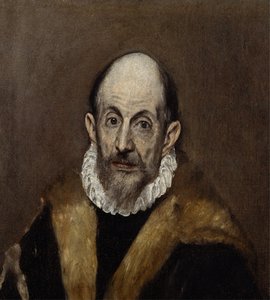
1541 - 1614 , Grécko

Explore the dramatic evolution of Mannerism from High Renaissance perfection to El Greco's spiritual intensity. Discover the history, techniques, and enduring legacy of this transformative era through an expert art-history lens.


Zostaňte v obraze s najnovšími správami zo sveta umenia, exkluzívnymi ponukami a nápormi na dekoráciu.
Povedzte nám o svojom projekte a naši odborníci na umenie vám pripravia 3 personalizované návrhy umeleckých diel.
Nechajte si od nás vybrať 3 možnosti priamo pre vás – zadarmo!


 Náhľad
 Odoslať
 Zdieľať
 Podrobnosti o dielo

 Stiahnuť
 Podobné diela
 RTG skúška
 Prezentácia
 Zobraziť viac







 Možnosť skla je dostupná len pri rozmeroch pod 110 cm