x

 Renaissance Expressionism
 1568
1568 37.0 x 23.0 cm
 Galleria Estense
Giclée tlač alebo plátno múzeálnej kvality s rýchlou výrobou a flexibilnými možnosťami povrchovej úpravy. ( Kúpiť ručne maľovaný obraz Kúpiť obrázok)





























Vyberte si z našich preddefinovaných rozmerov, ktoré zodpovedajú pôvodným pomeroḿ diela.

Môžete zadať vlastné rozmery, aby sa reprodukcia prispôsobila konkrétnemu rámu alebo priestoru. Ak zvolená veľkosť nebude zodpovedať proporciám originálu, dielo buď orežeme, alebo obraz rozšírime pomocou zrkadlenia či farebného doplnenia okrajov. Pred začatím výroby vám pošleme digitálnu ukážku na schválenie.
Máte na vedomí, že náhľad na obrazovke neodzrkadľuje skutočné orezanie alebo rozšírenie. Len digitálna ukážka presne zobrazí finálnu kompozíciu.
Hoci sú k dispozícii vlastné rozmery, pre zachovanie pôvodných proporcií odporúčame vybrať si rozmer z vopred definovaného zoznamu.
Celosvetová doprava () do 2 týždňov namiesto štandardných 4/5 týždňov. (16 august)


The Modena Triptych (back panels)
Veľkosť reprodukcie
Doménikos Theotokópoulos, known universally as El Greco, was born in Crete in 1541, a world steeped in Byzantine tradition. His early training profoundly shaped his artistic sensibilities – a deep understanding of iconography and a reverence for religious subjects were ingrained from the outset. However, it wasn’t simply imitation he sought; he evolved, pushing the boundaries of representation with an almost visionary intensity. The turbulent political landscape of Spain during this period, marked by religious fervor and the rise of the Habsburg dynasty, undoubtedly influenced his work, providing a fertile ground for exploring themes of spirituality and salvation. His Greek heritage – signified by the “Krḗs” appended to his name – was a constant source of pride, informing both his artistic identity and his connection to the spiritual heartland he eventually called home in Toledo.
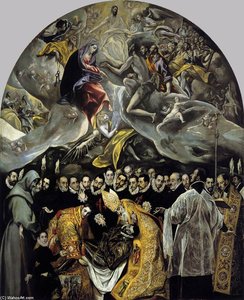
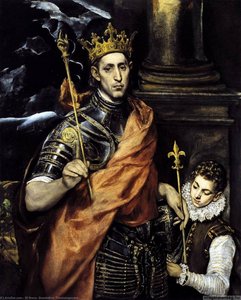
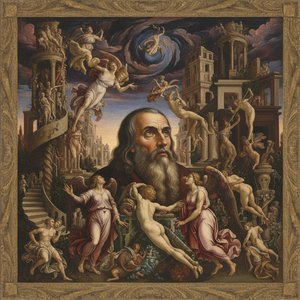
The scenes depicted on these panels are rich with symbolic meaning. While specific interpretations vary depending on scholarly analysis, the overall narrative likely draws from biblical accounts of salvation and judgment. The figures, rendered with a heightened sense of emotion, represent not just individuals but archetypes of faith – the mother and child, representing Mary’s devotion; the angelic figure, embodying divine grace; and the men standing beside each other, perhaps symbolizing humanity's struggle between good and evil. The crown worn by one of the figures could signify royalty or divine authority, adding another layer to the complex theological message.
Created in 1568, this “Modena Triptych” (back panels) stands as a testament to El Greco’s unparalleled vision and technical skill. Its emotional power transcends time, inviting contemplation on themes of faith, mortality, and the human condition. While this particular image is presented here as a photographic reproduction, it serves as a powerful reminder of the original's enduring legacy. Owning a high-quality reproduction allows you to bring this masterpiece into your own space, fostering a connection with one of art history’s most captivating figures – El Greco himself.

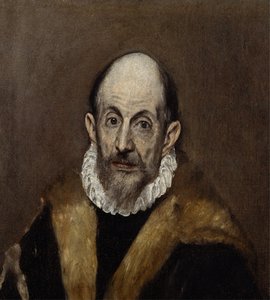
1541 - 1614 , Grécko
Explore the dramatic transition from High Renaissance harmony to Mannerist tension. Discover how masters like El Greco redefined art through distortion and spiritual intensity. An expert guide for art enthusiasts seeking deep historical context and museum-quality inspiration.

Explore the dramatic evolution of Mannerism from High Renaissance perfection to El Greco's spiritual intensity. Discover the history, techniques, and enduring legacy of this transformative era through an expert art-history lens.

Explore the profound drama of Spanish Baroque art. Delve into the mastery of light, shadow, and realism through the legendary works of Diego Velázquez and the Spanish Golden Age with our expert-led historical guide.


Zostaňte v obraze s najnovšími správami zo sveta umenia, exkluzívnymi ponukami a nápormi na dekoráciu.
Povedzte nám o svojom projekte a naši odborníci na umenie vám pripravia 3 personalizované návrhy umeleckých diel.
Nechajte si od nás vybrať 3 možnosti priamo pre vás – zadarmo!


 Náhľad
 Odoslať
 Zdieľať
 Podrobnosti o dielo

 Stiahnuť
 Podobné diela
 RTG skúška
 Prezentácia
 Zobraziť viac







 Možnosť skla je dostupná len pri rozmeroch pod 110 cm