x


 Kúpiť tlač Kúpiť digitálnu verziu
 Odoslať
 Podrobnosti o dielo
 Pridať do obľúbených
 Stiahnuť
 Podobné diela
 RTG skúška
 Prezentácia
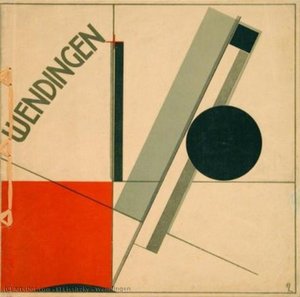
 LitografiaInéEl Lissitzky's 'Wendingen' exemplifies Cubist prin
 1921Modernizmus
 MOMA - Muzeum moderního umenia
Ručne maľovaný olej na plátne vo vašej zvolenej veľkosti a v ráme, vyrobený na mieru našimi umelcami.
Vyberte si z našich preddefinovaných rozmerov, ktoré zodpovedajú pôvodným pomeroḿ diela.

Môžete zadať vlastné rozmery tak, aby sa hodili do konkrétneho rámu alebo priestoru. Ak sa váš zvolený rozmer nezhoduje s pôvodnými proporciami obrazu, dielo buď orezáme, alebo ho doplníme ručne maľovanými prvkami. Pred začiatkom výroby vám zašleme digitálny náhľad na schválenie.
Upozorňujeme, že ukážka na obrazovke neodráža skutočné orezanie alebo doplnenie. Skutočnú finálnu kompozíciu zobrazuje iba digitálny náhľad.
Hoci sú k dispozícii vlastné rozmery, odporúčame vybrať rozmer z preddefinovaného zoznamu, aby sme zachovali pôvodné proporcie.
Celosvetová doprava () za 3 až 4 týždne namiesto štandardných 5 týždňov. (18 júl). Bez kompromisov v kvalite.


Wendingen
Veľkosť reprodukcie
El Lissitzky’s “Wendingen,” created in 1921, stands as a cornerstone of early abstract art—a testament to the burgeoning Constructivist movement and its profound influence on visual culture. More than merely a magazine cover, it embodies Lissitzky’s conceptual framework of “Proun,” striving to synthesize architecture, engineering, and artistic expression into a unified visual language. This artwork isn't simply decorative; it’s a deliberate provocation, challenging conventional notions of representation and embracing the radical potential of geometric abstraction.
The piece eschews figurative imagery altogether, presenting instead a meticulously crafted composition dominated by intersecting lines and planar surfaces. Sharp angles punctuate the canvas, generating palpable spatial tension—a characteristic feature of Constructivism’s pursuit of dynamism and structural integrity. Rectangles, circles, and diagonal lines intertwine to create visual pathways that guide the viewer's gaze across the expanse of beige paper.
Lissitzky’s stylistic choices are deeply rooted in Suprematism, spearheaded by Kazimir Malevich—a movement prioritizing pure artistic feeling conveyed through fundamental geometric forms. However, “Wendingen” transcends mere stylistic borrowing; it synthesizes these influences into a singular aesthetic vision that is both rigorously structured and imbued with emotional resonance.
Lithography—a printing process renowned for its ability to reproduce fine lines and tonal variations—was ideally suited for capturing the artwork’s geometric precision. Lissitzky skillfully utilized this technique, achieving remarkable clarity of form and minimizing visual clutter. The color palette is deliberately restrained, employing bold contrasts between red, gray, black, and beige against a neutral backdrop – colors that amplify the impact of the shapes themselves.
The surface texture appears smooth and flat, indicative of the lithographic printing process. This deliberate choice underscores Lissitzky’s commitment to conveying visual information with utmost clarity and minimizing extraneous embellishments. The meticulous execution reflects the broader ethos of Constructivism—a belief in functional design underpinned by unwavering attention to detail.
"Wendingen" emerged from the aftermath of World War I and the Russian Revolution—moments marked by an urgent desire for transformative change across all disciplines. Lissitzky’s artwork embodies this spirit, reflecting the optimism and intellectual fervor that characterized the early 20th century’s avant-garde landscape.
The concept of “Proun”—meaning “before” in Russian—represented Lissitzky's ambition to transcend traditional artistic boundaries by uniting art, technology, and architecture into a holistic visual language. "Wendingen" serves as a powerful illustration of this vision, suggesting that beauty and functionality can coexist harmoniously – a reflection of the modernist ethos.
The geometric forms within “Wendingen” are interpreted as symbols of progress, order, and rationality—values central to Constructivism’s critique of bourgeois aesthetics. The dynamic arrangement of shapes conveys movement and energy, mirroring the prevailing cultural mood of an era determined to forge a new path forward.
Despite its abstract nature, “Wendingen” evokes a profound sense of visual harmony—a testament to Lissitzky’s masterful control over composition and form. The carefully calibrated geometric shapes create a pleasing aesthetic experience that stimulates intellectual curiosity while simultaneously captivating the eye.
"Wendingen" remains an enduring emblem of early modernism, inspiring generations of artists and designers to explore the expressive potential of geometric abstraction—a legacy that continues to resonate within contemporary visual culture.
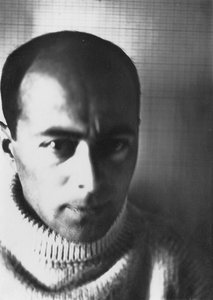
1890 - 1941 , Rusko
Explore the captivating world of geometric abstraction! Discover its origins, key artists like Malevich & Mondrian, and why this movement remains highly valued by art collectors today. Expert insights at Most-Famous-Paintings.

Explore the captivating history of geometric abstraction, from its revolutionary origins to contemporary masters. Expert insights for art collectors & investors. Discover key artists and build your collection with Most-Famous-Paintings.
Ponorte sa do sveta Kazimir Maleвича a jeho 25 ikonických diel. Objavte príbeh suprematizmu, abstraktného umenia a geometrických foriem. Reprodukcie obrazov pre váš interiér na Most-Famous-Paintings.com – kvalita múzejnej úrovne.

Explore the enduring legacy of geometric abstraction! Discover key artists, historical movements & investment insights for discerning art collectors. Expert guidance from Most-Famous-Paintings.

Explore the revolutionary world of Constructivism! Discover key artists like Malevich & Lissitzky, its impact on modern art & design, and guidance for building a valuable collection. Expert insights at Most-Famous-Paintings.


Zostaňte v obraze s najnovšími správami zo sveta umenia, exkluzívnymi ponukami a nápormi na dekoráciu.
Povedzte nám o svojom projekte a naši odborníci na umenie vám pripravia 3 personalizované návrhy umeleckých diel.
Nechajte si od nás vybrať 3 možnosti priamo pre vás – zadarmo!


 Zdieľať

 Zobraziť viac




































 Možnosť skla je dostupná len pri rozmeroch pod 110 cm