x

Giclée tlač alebo plátno múzeálnej kvality s rýchlou výrobou a flexibilnými možnosťami povrchovej úpravy. ( Kúpiť ručne maľovaný obraz Kúpiť obrázok)
Vyberte si z našich preddefinovaných rozmerov, ktoré zodpovedajú pôvodným pomeroḿ diela.

Môžete zadať vlastné rozmery, aby sa reprodukcia prispôsobila konkrétnemu rámu alebo priestoru. Ak zvolená veľkosť nebude zodpovedať proporciám originálu, dielo buď orežeme, alebo obraz rozšírime pomocou zrkadlenia či farebného doplnenia okrajov. Pred začatím výroby vám pošleme digitálnu ukážku na schválenie.
Máte na vedomí, že náhľad na obrazovke neodzrkadľuje skutočné orezanie alebo rozšírenie. Len digitálna ukážka presne zobrazí finálnu kompozíciu.
Hoci sú k dispozícii vlastné rozmery, pre zachovanie pôvodných proporcií odporúčame vybrať si rozmer z vopred definovaného zoznamu.
Celosvetová doprava () do 2 týždňov namiesto štandardných 4/5 týždňov. (16 august)


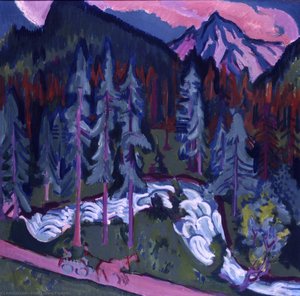
Evening Patrol
Veľkosť reprodukcie
Ernst Ludwig Kirchner’s “Evening Patrol” is not merely a depiction of two riders on horseback; it's a visceral plunge into the anxieties and uncertainties that defined the early 20th century. Executed in the style of German Expressionism, this work, likely a lithograph or etching, captures a moment suspended between urgency and unease, reflecting Kirchner’s profound engagement with the psychological landscape of his time. The composition immediately commands attention – two figures, rendered with stark, angular forms and bold black lines, dominate the central space, their diagonal movement suggesting a relentless pursuit, a patrol perhaps, yet one imbued with an unsettling lack of purpose. The simplified background, comprised of loosely defined shapes hinting at trees or foliage, serves not as a backdrop but as a visual echo of the figures’ internal turmoil.
“Evening Patrol” transcends a simple narrative; it’s a potent symbol of the anxieties simmering beneath the surface of early 20th-century Europe. The distorted forms, flattened perspective, and lack of realistic detail are hallmarks of Expressionism's core philosophy – to depict not what is seen but what is felt. The riders themselves become embodiments of this unease, their angular bodies and forceful lines suggesting a loss of control, a struggle against an unseen force. The ambiguity of their mission—a patrol or pursuit—further contributes to the artwork’s unsettling atmosphere, mirroring the broader sense of disorientation and uncertainty that characterized the era. Kirchner's work resonates with the concerns of his time – the rapid industrialization, social upheaval, and growing sense of alienation that fueled the Expressionist movement.
Kirchner’s “Evening Patrol” firmly places him within the heart of the German Expressionist movement, a reaction against the perceived superficiality and academic constraints of traditional art. Influenced by artists like Albrecht Dürer and deeply affected by the social and political climate of his time – particularly the rise of industrialization and urban life – Kirchner sought to express raw emotion through distorted forms and bold lines. His work aligns closely with the style of other key Expressionist figures, such as Emil Nolde and Max Pechstein, sharing a commitment to conveying subjective experience rather than objective reality. The piece’s dynamic composition and emotional intensity are hallmarks of Kirchner's distinctive approach, solidifying his place as one of the most important artists of the 20th century.

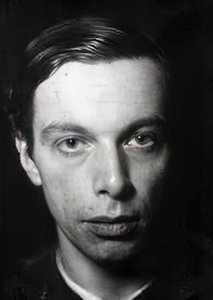
1880 - 1938 , Nemecko

Explore the profound history and technical mastery of woodcut relief printing. From ancient origins to German Expressionism, discover how artists use the subtractive process to create iconic works. A definitive guide for art students, collectors, and historians.

Explore the visceral power of German Expressionism. From Ernst Ludwig Kirchner to Die Brücke, discover how bold colors and distorted forms unmask raw human emotion in this expert art history guide for collectors and enthusiasts.


Zostaňte v obraze s najnovšími správami zo sveta umenia, exkluzívnymi ponukami a nápormi na dekoráciu.
Povedzte nám o svojom projekte a naši odborníci na umenie vám pripravia 3 personalizované návrhy umeleckých diel.
Nechajte si od nás vybrať 3 možnosti priamo pre vás – zadarmo!


 Odoslať
 Zdieľať
 Podrobnosti o dielo

 Stiahnuť
 Podobné diela
 Prezentácia

 Zobraziť viac




































 Možnosť skla je dostupná len pri rozmeroch pod 110 cm