x


 Kúpiť tlač Kúpiť digitálnu verziu
 Odoslať
 Podrobnosti o dielo
 Pridať do obľúbených
 Stiahnuť
 Podobné diela
 RTG skúška
 Prezentácia
 EtchingGerman Expressionism
 1929
1929 26.0 x 20.0 cm
Ručne maľovaný olej na plátne vo vašej zvolenej veľkosti a v ráme, vyrobený na mieru našimi umelcami.





























Vyberte si z našich preddefinovaných rozmerov, ktoré zodpovedajú pôvodným pomeroḿ diela.

Môžete zadať vlastné rozmery tak, aby sa hodili do konkrétneho rámu alebo priestoru. Ak sa váš zvolený rozmer nezhoduje s pôvodnými proporciami obrazu, dielo buď orezáme, alebo ho doplníme ručne maľovanými prvkami. Pred začiatkom výroby vám zašleme digitálny náhľad na schválenie.
Upozorňujeme, že ukážka na obrazovke neodráža skutočné orezanie alebo doplnenie. Skutočnú finálnu kompozíciu zobrazuje iba digitálny náhľad.
Hoci sú k dispozícii vlastné rozmery, odporúčame vybrať rozmer z preddefinovaného zoznamu, aby sme zachovali pôvodné proporcie.
Celosvetová doprava () za 3 až 4 týždne namiesto štandardných 5 týždňov. (18 júl). Bez kompromisov v kvalite.


Three Faces
Veľkosť reprodukcie
To gaze upon Ernst Ludwig Kirchner’s etching, "Three Faces," is not merely to observe lines on paper; it is to step directly into the volatile emotional landscape of early 20th-century Berlin. This black and white study, dating from 1929, captures a moment of profound psychological tension through the stark medium of the etching process. The composition presents three distinct visages clustered together, each one offering a different facet of the human condition—a silent, arresting tableau that speaks volumes without uttering a single word. Kirchner, deeply immersed in the fervor and anxiety of German Expressionism, possessed an unparalleled ability to distill complex inner turmoil into stark, graphic forms.
The choice of etching as a medium is crucial to understanding the work's raw power. The inherent nature of etching lends itself to sharp contrasts—the deep blacks against the pristine white ground—which serve to heighten the drama of the expressions. Notice how Kirchner manipulates shadow and line weight; these are not decorative elements but carriers of emotional charge. The viewer’s eye is immediately drawn across the trio, forced into a comparative study. The contrast between the left face's palpable frown, the middle figure's seemingly bright smile, and the right face's more brittle, perhaps even strained grin creates an immediate visual dialogue. It suggests that emotion itself is rarely singular or simple.
Painted in 1929, this work emerges from a period of immense societal upheaval, standing at the precipice of global conflict and radical social change. Kirchner’s art was always deeply engaged with the pulse of modern life—the alienation of the city, the mask worn in public spaces, and the struggle to maintain authentic selfhood amidst rapid modernization. "Three Faces" can be interpreted as a commentary on societal performance; are we all merely performing happiness for an audience? The tension captured here resonates far beyond its specific date, speaking to the universal anxieties of feeling observed, judged, or misunderstood.
The grouping of three faces is inherently symbolic. It suggests a triangulation of experience—perhaps the self versus society, or genuine emotion versus social expectation. The differing expressions invite deep contemplation from the collector or admirer. Is the smile on the right one of joy, or is it the forced composure required to navigate difficult times? Kirchner masterfully uses these subtle variations in musculature and gaze to explore the chasm between inner reality and outer presentation. Owning a reproduction of this piece allows one to bring that thoughtful, questioning energy into a living space, transforming a mere wall hanging into a philosophical anchor.
For those seeking art that possesses both historical weight and immediate emotional impact, "Three Faces" is an unparalleled choice. Its graphic intensity translates beautifully across reproductions, allowing the stark power of Kirchner's original etching to grace any interior setting—from a minimalist gallery wall to a richly decorated study. It serves as a constant, quiet reminder that beneath every composed facade lies a complex, shifting emotional narrative waiting to be observed.

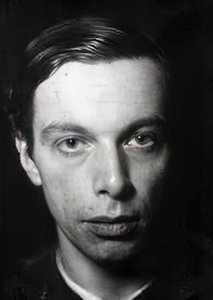
1880 - 1938 , Nemecko

Objavte top 25 diel Metropolitného múzea umenia v New Yorku! Prežite príbehy Van Gogha, Moneta a ďalších majstrov. Reprodukcie obrazov pre váš interiér – luxusné dekorácie na Most-Famous-Paintings.com.
Ponorte sa do sveta Jamesa Abbotta McNeilla Whistlera! Objavte 25 ikonických diel amerického impresionistu – portréty, Nocturnes a farebné harmónie. Kúpiť reprodukcie obrazov pre luxusný interiér na Most-Famous-Paintings.com.
Ponorte sa do sveta Katsushika Hokusaiho a objavte 25 jeho najznámejších umeleckých diel. Ukiyo-e, The Great Wave, Fujiyama – príbehy za ikonickými obrazmi. Kvalitné reprodukcie pre váš domov na Most-Famous-Paintings.com.

Objavte 10 legendárnych leptov od Rembrandta, Goya a ďalších majstrov. Prežite príbehy umenia, techniky a nadčasovej krásy. Reprodukcie obrazov pre váš interiér na Most-Famous-Paintings.com – múzejná kvalita a inšpirácia!
Ponorte sa do sveta Egona Schieleho! Objavte top 25 diel expresionistického majstra, jeho portréty a techniku. Luxusné reprodukcie obrazov pre váš interiér na Most-Famous-Paintings.com. Preskúmajte celú kolekciu online.


Zostaňte v obraze s najnovšími správami zo sveta umenia, exkluzívnymi ponukami a nápormi na dekoráciu.
Povedzte nám o svojom projekte a naši odborníci na umenie vám pripravia 3 personalizované návrhy umeleckých diel.
Nechajte si od nás vybrať 3 možnosti priamo pre vás – zadarmo!


 Zdieľať

 Zobraziť viac







 Možnosť skla je dostupná len pri rozmeroch pod 110 cm