


x

Giclée tlač alebo plátno múzeálnej kvality s rýchlou výrobou a flexibilnými možnosťami povrchovej úpravy. ( Kúpiť ručne maľovaný obraz Kúpiť obrázok)





























Vyberte si z našich preddefinovaných rozmerov, ktoré zodpovedajú pôvodným pomeroḿ diela.

Môžete zadať vlastné rozmery, aby sa reprodukcia prispôsobila konkrétnemu rámu alebo priestoru. Ak zvolená veľkosť nebude zodpovedať proporciám originálu, dielo buď orežeme, alebo obraz rozšírime pomocou zrkadlenia či farebného doplnenia okrajov. Pred začatím výroby vám pošleme digitálnu ukážku na schválenie.
Máte na vedomí, že náhľad na obrazovke neodzrkadľuje skutočné orezanie alebo rozšírenie. Len digitálna ukážka presne zobrazí finálnu kompozíciu.
Hoci sú k dispozícii vlastné rozmery, pre zachovanie pôvodných proporcií odporúčame vybrať si rozmer z vopred definovaného zoznamu.
Celosvetová doprava () do 2 týždňov namiesto štandardných 4/5 týždňov. (15 august)


The Moulin Rouge
Veľkosť reprodukcie
Fernand Léger's “The Moulin Rouge” is not merely a depiction of a Parisian cabaret; it’s a vibrant, pulsating embodiment of the early 20th century’s fascination with industrialization and its impact on human form. Painted around 1923, this artwork captures a fleeting moment of performance within the iconic setting of the Moulin Rouge, yet Léger's distinctive style transcends simple representation, offering instead a powerful meditation on movement, geometry, and the burgeoning spirit of modernity. The painting’s subject – a woman in striking yellow attire – is rendered with an almost sculptural quality, her elongated neck and large head echoing the rigid lines and mechanical forms that would become hallmarks of Léger's oeuvre. This isn’t a portrait in the traditional sense; it’s an exploration of how human figures were being perceived and reimagined through the lens of a rapidly changing world.
“The Moulin Rouge” reflects Léger’s broader artistic concerns, which were deeply intertwined with the rise of industrialization and its influence on human life. The woman's pose, reminiscent of a dancer or performer, can be interpreted as a symbol of humanity adapting to – and perhaps even being shaped by – the mechanical forces of the modern age. The handbag, a small detail, adds another layer of intrigue, suggesting both practicality and the potential for consumerism within this new environment. Léger was profoundly interested in the relationship between humans and machines, believing that artists could find beauty and meaning in the forms of industry.
Created during a period of immense social and technological change, “The Moulin Rouge” aligns with Léger’s broader engagement with Cubism and Constructivism. While influenced by Picasso and Braque, Léger developed his own distinct style, characterized by its emphasis on geometric abstraction and its exploration of industrial forms. This painting represents a crucial moment in the development of modern art, demonstrating how artists were responding to the challenges and opportunities presented by the machine age. It’s a testament to Léger's vision that he managed to translate the raw energy of the industrial landscape into a powerfully expressive work of art.

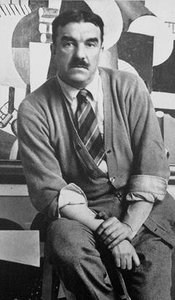
1881 - 1955 , Francúzsko
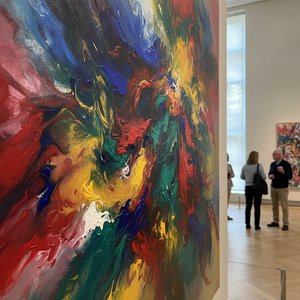
Explore the profound emotional depth of Lyrical Abstraction. Discover how masters like Raymond Parker used color and form to bridge Impressionism and Abstract Expressionism. Learn about this pivotal movement through our expert-led art history guide.

Explore the profound emotional depth of Color Field painting. Discover the history of mid-century abstraction, from Rothko to Newman, and learn how pure color transforms the viewer's experience through our expert art history guide.


Zostaňte v obraze s najnovšími správami zo sveta umenia, exkluzívnymi ponukami a nápormi na dekoráciu.
Povedzte nám o svojom projekte a naši odborníci na umenie vám pripravia 3 personalizované návrhy umeleckých diel.
Nechajte si od nás vybrať 3 možnosti priamo pre vás – zadarmo!


 Náhľad
 Odoslať
 Zdieľať
 Podrobnosti o dielo

 Stiahnuť
 Podobné diela
 RTG skúška
 Prezentácia
 Zobraziť viac







 Možnosť skla je dostupná len pri rozmeroch pod 110 cm


