


x

 Objednať reprodukciu Kúpiť digitálnu verziu
 Odoslať
 Podrobnosti o dielo
 Pridať do obľúbených
 Stiahnuť
 Podobné diela
 RTG skúška
 Prezentácia
 Oil On CanvasWallArtExpressionism
 1909Modern
 30.0 x 30.0 cm
Giclée tlač alebo plátno múzeálnej kvality s rýchlou výrobou a flexibilnými možnosťami povrchovej úpravy.





























Vyberte si z našich preddefinovaných rozmerov, ktoré zodpovedajú pôvodným pomeroḿ diela.

Môžete zadať vlastné rozmery, aby sa reprodukcia prispôsobila konkrétnemu rámu alebo priestoru. Ak zvolená veľkosť nebude zodpovedať proporciám originálu, dielo buď orežeme, alebo obraz rozšírime pomocou zrkadlenia či farebného doplnenia okrajov. Pred začatím výroby vám pošleme digitálnu ukážku na schválenie.
Máte na vedomí, že náhľad na obrazovke neodzrkadľuje skutočné orezanie alebo rozšírenie. Len digitálna ukážka presne zobrazí finálnu kompozíciu.
Hoci sú k dispozícii vlastné rozmery, pre zachovanie pôvodných proporcií odporúčame vybrať si rozmer z vopred definovaného zoznamu.
Celosvetová doprava () do 2 týždňov namiesto štandardných 4/5 týždňov. (23 júl)


Tango
Veľkosť reprodukcie
František Kupka’s “Tango,” painted in 1909, is more than just a depiction of a dancer; it’s a visceral embodiment of movement, emotion, and the nascent explorations of abstraction that would forever alter the course of modern art. This vibrant canvas, measuring 30 x 30 cm, pulsates with an energy that immediately draws the viewer into its swirling depths, echoing the dynamism of the tango itself – a dance synonymous with passion and abandon.
“Tango” showcases Kupka’s masterful technique, built upon a foundation of oil paints applied with a deliberate impasto method. Thick strokes of paint are layered upon one another, creating a richly textured surface that invites close inspection. The visible brushwork isn't simply a stylistic choice; it actively contributes to the artwork’s sense of movement and spontaneity. This layering technique, combined with the loose, gestural lines, conveys a feeling of immediacy – as if the artist were capturing the fleeting moment of the dancer’s performance directly on canvas.
Beyond its immediate visual impact, “Tango” resonates with deeper symbolic meanings. The dancer’s pose – caught in mid-movement – suggests a state of vulnerability and abandon, while the swirling lines evoke a sense of unrestrained energy. Kupka, deeply influenced by spiritual currents of his time, was engaged in a profound quest to represent not just what he saw but also what he *felt*. This work reflects his desire to capture an essence—a moment of pure emotion—rather than simply documenting a physical form.
Historical Context: Painted in 1909, “Tango” sits at the crucial juncture between Impressionism and early abstraction. Kupka’s work foreshadowed many of the developments that would characterize the 20th-century avant-garde, solidifying his position as a pioneer of abstract art."Tango" is not merely a beautiful image; it's an experience. The artwork’s raw energy, vibrant colors, and dynamic composition create a powerful emotional resonance that continues to captivate viewers today. This piece represents a pivotal moment in the development of modern art, showcasing Kupka’s innovative approach to form, color, and movement. A hand-painted reproduction offers a unique opportunity to bring this seminal work into your space, allowing you to appreciate its beauty and significance firsthand.


1871 - 1957 , Česko
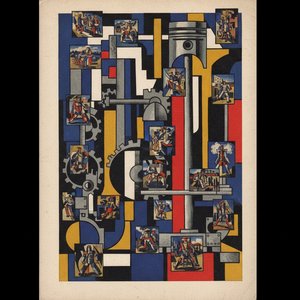
Objavte top 25 diel Fernand Légera – priekopníka kubizmu a tubizmu. Prežite príbeh za ikonickými obrazmi, farebnou kompozíciou a strojovým vekom. Reprodukcie pre váš interiér na Most-Famous-Paintings.com! Preskúmajte celú kolekciu online.
Ponorte sa do sveta Wassilyho Kandinského s Most-Famous-Paintings.com! Objavte top 25 diel abstraktného umenia, expresionizmu a farebných kompozícií. Kúpiť reprodukcie obrazov pre dokonalý dizajn interiéru. Explore the full collection online.

Objavte top 25 diel Metropolitného múzea umenia v New Yorku! Prežite príbehy Van Gogha, Moneta a ďalších majstrov. Reprodukcie obrazov pre váš interiér – luxusné dekorácie na Most-Famous-Paintings.com.

Objavte top 25 diel MoMA v New Yorku! Van Gogh, Picasso, Warhol a ďalší majstri moderného umenia. Inšpirujte sa pre váš interiér s kvalitnými reprodukciami obrazov na Most-Famous-Paintings.com.

Ponorte sa do sveta abstraktného expresionizmu s Pollockom, Rothkom a ďalšími majstrami. Objavte príbehy za 10 ikonických diel, techniky a farby, ktoré definovali toto revolučné umenie. Kvalitné reprodukcie na Most-Famous-Paintings.com.


Zostaňte v obraze s najnovšími správami zo sveta umenia, exkluzívnymi ponukami a nápormi na dekoráciu.
Povedzte nám o svojom projekte a naši odborníci na umenie vám pripravia 3 personalizované návrhy umeleckých diel.
Nechajte si od nás vybrať 3 možnosti priamo pre vás – zadarmo!


 Zdieľať

 Zobraziť viac







 Možnosť skla je dostupná len pri rozmeroch pod 110 cm


