


x

 Futurist Painting
 1912
1912 56.0 x 69.0 cm
 MOMA - Muzeum moderního umenia
Giclée tlač alebo plátno múzeálnej kvality s rýchlou výrobou a flexibilnými možnosťami povrchovej úpravy. ( Kúpiť ručne maľovaný obraz Kúpiť obrázok)





























Vyberte si z našich preddefinovaných rozmerov, ktoré zodpovedajú pôvodným pomeroḿ diela.

Môžete zadať vlastné rozmery, aby sa reprodukcia prispôsobila konkrétnemu rámu alebo priestoru. Ak zvolená veľkosť nebude zodpovedať proporciám originálu, dielo buď orežeme, alebo obraz rozšírime pomocou zrkadlenia či farebného doplnenia okrajov. Pred začatím výroby vám pošleme digitálnu ukážku na schválenie.
Máte na vedomí, že náhľad na obrazovke neodzrkadľuje skutočné orezanie alebo rozšírenie. Len digitálna ukážka presne zobrazí finálnu kompozíciu.
Hoci sú k dispozícii vlastné rozmery, pre zachovanie pôvodných proporcií odporúčame vybrať si rozmer z vopred definovaného zoznamu.
Celosvetová doprava () do 2 týždňov namiesto štandardných 4/5 týždňov. (16 august)


Speeding Automobile
Veľkosť reprodukcie
Giacomo Balla’s “Speeding Automobile,” completed in 1912, stands as a cornerstone of Futurism—a movement that vehemently rejected the past and embraced speed, dynamism, and technological advancement. Painted on wood, this striking artwork exemplifies the Futurist aesthetic's obsession with capturing fleeting moments of motion and disrupting traditional artistic conventions.
The inclusion of two figures—one positioned on the left side of the canvas and another closer to the center—adds a human element to the scene, emphasizing the relationship between individuals and the burgeoning pace of industrialization. These figures aren’t merely incidental; they serve as conduits for conveying the emotional impact of this accelerated world.
Born in Turin in 1871, Giacomo Balla's artistic journey began with an initial inclination towards music before shifting his focus to visual art following his father’s untimely death. His formative years were spent honing his skills in lithograph printmaking and studying at academies and the University of Turin. Moving to Rome in 1895 broadened his horizons creatively, fostering collaborations with illustrators and portrait painters.
The painting emerged during a period defined by fervent optimism about technological progress and fueled by the revolutionary manifesto penned by Filippo Tommaso Marinetti in 1910. Futurism championed concepts like violence, speed, and the glorification of machines—ideas that profoundly challenged artistic sensibilities of the time.
"Speeding Automobile" transcends mere depiction; it embodies Futurist ideals. The vibrant colors and fractured forms symbolize the disruption of established order and celebrate the exhilarating energy of modernity. The headlights, strategically placed, represent illumination—both literal and metaphorical—guiding viewers toward a new understanding of time and space.

1871 - 1958 , Slovensko
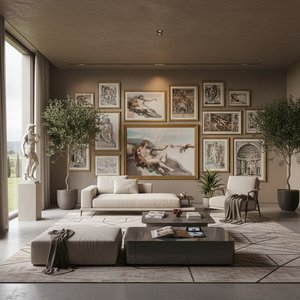
Objavte 25 majstrovských diel Michelangela Buonarrotiho! Pietà, David a fresky Sixtínskej kaplnky – príbehy umenia, techniky a renesančnej krásy. Reprodukcie obrazov pre váš domov na Most-Famous-Paintings.com.

Explore the Italian Renaissance! Discover humanist ideals, iconic masterpieces by Leonardo, Michelangelo & Raphael, and lasting artistic innovations. A comprehensive guide for art enthusiasts.

Ponorte sa do sveta romantizmu s top 10 majstrovskými dielami od Delacroixa, Goya a ďalších. Objavte príbehy umelcov, techniky a emotívnu silu ikonických obrazov. Reprodukcie pre váš domov na Most-Famous-Paintings.com!

Ponorte sa do sveta snov a podvedomia! Objavte top 10 surrealistických majstrovských diel od Dalího, Magritta a Miróa. Umelecké príbehy, techniky a inšpirácia pre váš interiér. Reprodukcie obrazov najvyššej kvality na Most-Famous-Paintings.com.
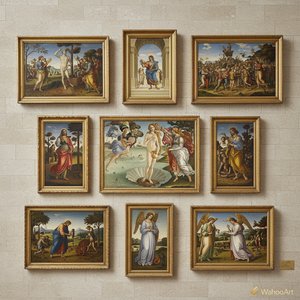
Objavte top 10 majstrovských diel rannej renesancie – Botticelli, Leonardo da Vinci a ďalší. Prežite príbehy umenia, techniky a nadčasnú krásu. Reprodukcie obrazov pre váš domov na Most-Famous-Paintings.com.


Zostaňte v obraze s najnovšími správami zo sveta umenia, exkluzívnymi ponukami a nápormi na dekoráciu.
Povedzte nám o svojom projekte a naši odborníci na umenie vám pripravia 3 personalizované návrhy umeleckých diel.
Nechajte si od nás vybrať 3 možnosti priamo pre vás – zadarmo!


 Náhľad
 Odoslať
 Zdieľať
 Podrobnosti o dielo

 Stiahnuť
 Podobné diela
 RTG skúška
 Prezentácia
 Zobraziť viac







 Možnosť skla je dostupná len pri rozmeroch pod 110 cm


