


x

 Preview
 Kúpiť tlač Objednať reprodukciu
 Odoslať
 Podrobnosti o dielo
 Pridať do obľúbených
 Stiahnuť
 Podobné diela
 RTG skúška
 Prezentácia
Kúpte si digitálnu snímku vo vysokom rozlíšení s vylepšenými detailmi, ktorá je oveľa kvalitnejšia než online náhľad.
Každý súbor starostlivo pripravujú naši interní špecialisti pomocou pokročilých nástrojov a odborného manuálneho retušovania. Zabezpečujeme, aby každý obrázok disponoval výnimočnou čistotou, presnou farebnou vernosťou a jemnými detailmi.
Konečný súbor vám bude doručený e-mailom do 72 hodín, optimalizovaný pre okamžité použitie v profesionálnom, redakčnom aj tlačovom prostredí. Ide o rovnakú kvalitu, ktorej dôverajú špičkové dizajnérske štúdiá, vydavateľstvá a galérie.
Stiahnite si vysokorozlíšený súbor na osobné zobrazovanie, tlačenie a kreatívne projekty.
Keď si vyberiete Most-Famous-Paintings.com, nedostávate len obrázok – získate profesionálne upravené digitálne umenie, vytvorené s precíznosťou a so zárukou vašej maximálnej spokojnosti. Tu je všetko, čo je súčasťou vašej objednávky automaticky:

Vaša vysokorozlíšená digitálna súprava obrázkov vám bude zaslaná e-mailom do 72 hodín od objednávky – pripravená na okamžité použitie.

Vaše dielo je profesionálne optimalizované pomocou pokročilých nástrojov umelej inteligencie a manuálnej editácie, čo zaručuje maximálnu úroveň detailov, čistotu a presnosť farieb.

Náhodou ste zmazali alebo ste stratili svoj súbor? Nebavžte sa – pošleme vám ho kedykoľvek znova, úplne bez poplatkov.

Užite si svoje umelodelo okamžite bez colných poplatkov, daní alebo nákladov na dopravu – digitálne stiahnutia sú vždy oslobodené od dane.

Pomocou profesionálnych nástrojov a farebného manažmentu zabezpečujeme, aby vaša digitálna fotografia čo najpresnejšie odrážala pôvodné farby.

Ak nebudete spokojní so svojou digitálnou fotografiou, upravíme ju alebo vám vrátime 100% v priebehu 60 dní – bez zbytočných otázok.

Nie ste spokojní? Získajte plnú náhradu peňazí do 60 dní od prijatia vášho digitálneho súboru – bez zbytočných otázok.

Kúpte si 3 obrazy, ušetrite 10% - Kúpte si 5, ušetrite 15% - Kúpte si 10+, ušetrite 20%. Ideálne pre kreatívne projekty, galérie a agentúry.
Giuseppe Arcimboldo, a name synonymous with audacious imagination and masterful illusion, remains one of the most singular figures in Renaissance art. Born in Milan in 1527, his career unfolded against a backdrop of intellectual ferment – a Europe grappling with religious upheaval and an insatiable curiosity about the natural world. While initially recognized for more conventional works—frescoes adorning cathedrals and portraits adhering to established courtly standards—Arcimboldo’s enduring legacy rests upon a series of composite heads constructed entirely from meticulously arranged objects: fruits, vegetables, flowers, fish, and even musical instruments. These weren't mere playful exercises in visual trickery; they were complex allegories, imbued with symbolism that resonated deeply within the Renaissance worldview and continue to captivate audiences today. “Spring,” painted around 1563, exemplifies this genius perfectly – a vibrant explosion of botanical beauty rendered as a remarkably lifelike human face.
The painting immediately draws the eye into a world of intricate detail. Arcimboldo has constructed a portrait not of a person, but of springtime itself. The ‘face’ is formed entirely from an astonishing array of blossoms – roses in shades of crimson and blush pink dominate the cheeks and lips, while delicate white lilies frame the eyes, their petals suggesting a serene gaze. Yellow daffodils burst forth from the forehead, mirroring the sun's radiant warmth, and tiny buds hint at the promise of future blooms. The hair is a cascading waterfall of leafy greens and vibrant stems, creating an impression of movement and vitality. Beyond the immediate floral composition, Arcimboldo masterfully incorporates other elements – miniature books peek out from beneath the foliage, suggesting knowledge and contemplation, while scattered seeds and nuts subtly reinforce the theme of growth and rebirth.
Arcimboldo’s work is deeply rooted in Renaissance symbolism. The choice of flowers wasn't arbitrary; each element carries a specific meaning within the context of the era. Spring, as represented here, embodies renewal, fertility, and the cyclical nature of life – themes central to humanist thought during the Renaissance. The inclusion of books speaks to the importance of learning and intellectual pursuits, while the fruits and vegetables symbolize abundance and prosperity. The careful arrangement of these objects creates a visual metaphor for the harmonious balance between humanity and nature, a concept highly valued by artists and intellectuals of the time.
Furthermore, “Spring” can be interpreted as an allegory for the Holy Roman Emperor Maximilian II, who commissioned the series of four seasonal portraits. Arcimboldo’s skill lay in his ability to imbue these fantastical creations with political significance. The vibrant colors and abundant imagery were intended to convey the emperor's power, wealth, and benevolent rule – a celebration of springtime’s bounty and the flourishing of his reign. The painting served as both a personal indulgence for the Emperor and a carefully crafted piece of propaganda, subtly reinforcing his authority.
Arcimboldo's technique is nothing short of astonishing. He employed meticulous layering and painstaking detail to create an illusion of depth and realism within this entirely constructed image. The flowers are not simply painted; they are carefully arranged and sculpted, creating a tactile quality that invites the viewer to reach out and touch them. His use of chiaroscuro – the dramatic contrast between light and shadow – further enhances the three-dimensional effect, making the floral face appear remarkably lifelike.
Crucially, Arcimboldo’s work represents a significant departure from traditional portraiture. He abandoned the conventions of idealized beauty in favor of a more inventive and symbolic approach. This innovative technique paved the way for later artists who sought to challenge artistic norms and explore new forms of visual expression. “Spring” stands as a testament to his genius, demonstrating his mastery of composition, color, and illusion – qualities that continue to inspire awe and admiration centuries after its creation.
“Spring,” whether viewed in the original or a high-quality reproduction, remains a profoundly moving work of art. It is more than just a portrait; it's an ode to the beauty and abundance of nature, a celebration of renewal and rebirth, and a poignant reminder of the interconnectedness between humanity and the natural world. Arcimboldo’s ability to transform ordinary objects into extraordinary works of art speaks to his remarkable vision and artistic skill – qualities that ensure “Spring” will continue to captivate audiences for generations to come.
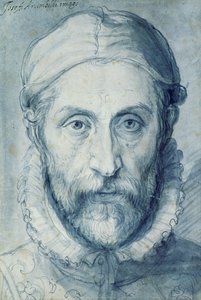
1527 - 1593 , Taliansko


Zostaňte v obraze s najnovšími správami zo sveta umenia, exkluzívnymi ponukami a nápormi na dekoráciu.
Povedzte nám o svojom projekte a naši odborníci na umenie vám pripravia 3 personalizované návrhy umeleckých diel.
Nechajte si od nás vybrať 3 možnosti priamo pre vás – zadarmo!


 Zdieľať


 Zobraziť viac


